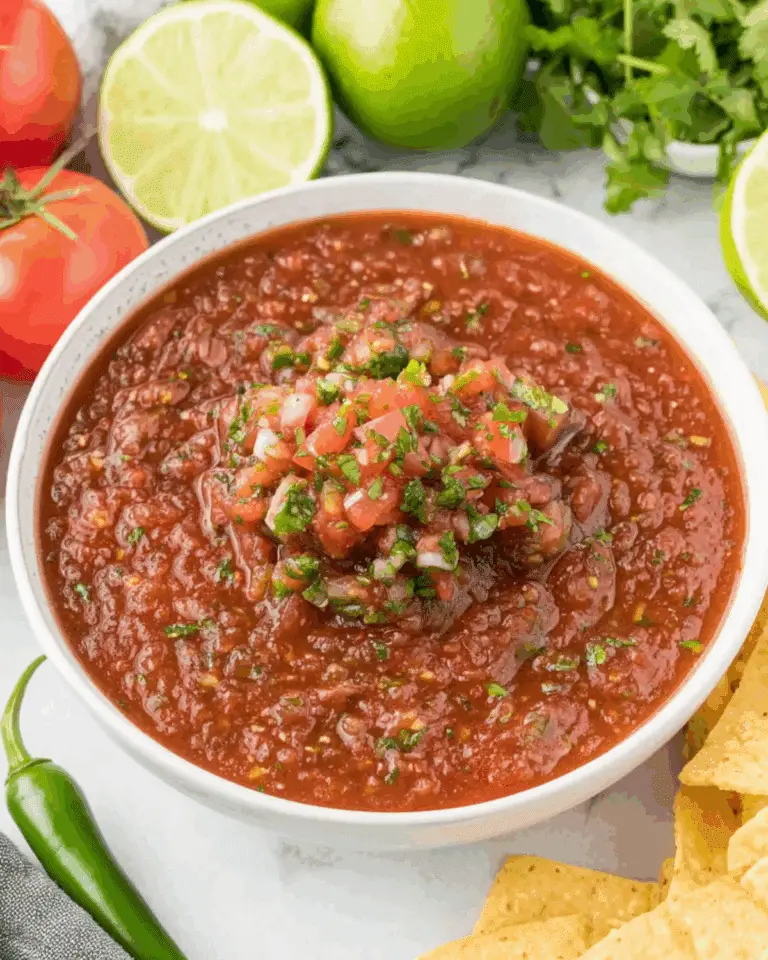
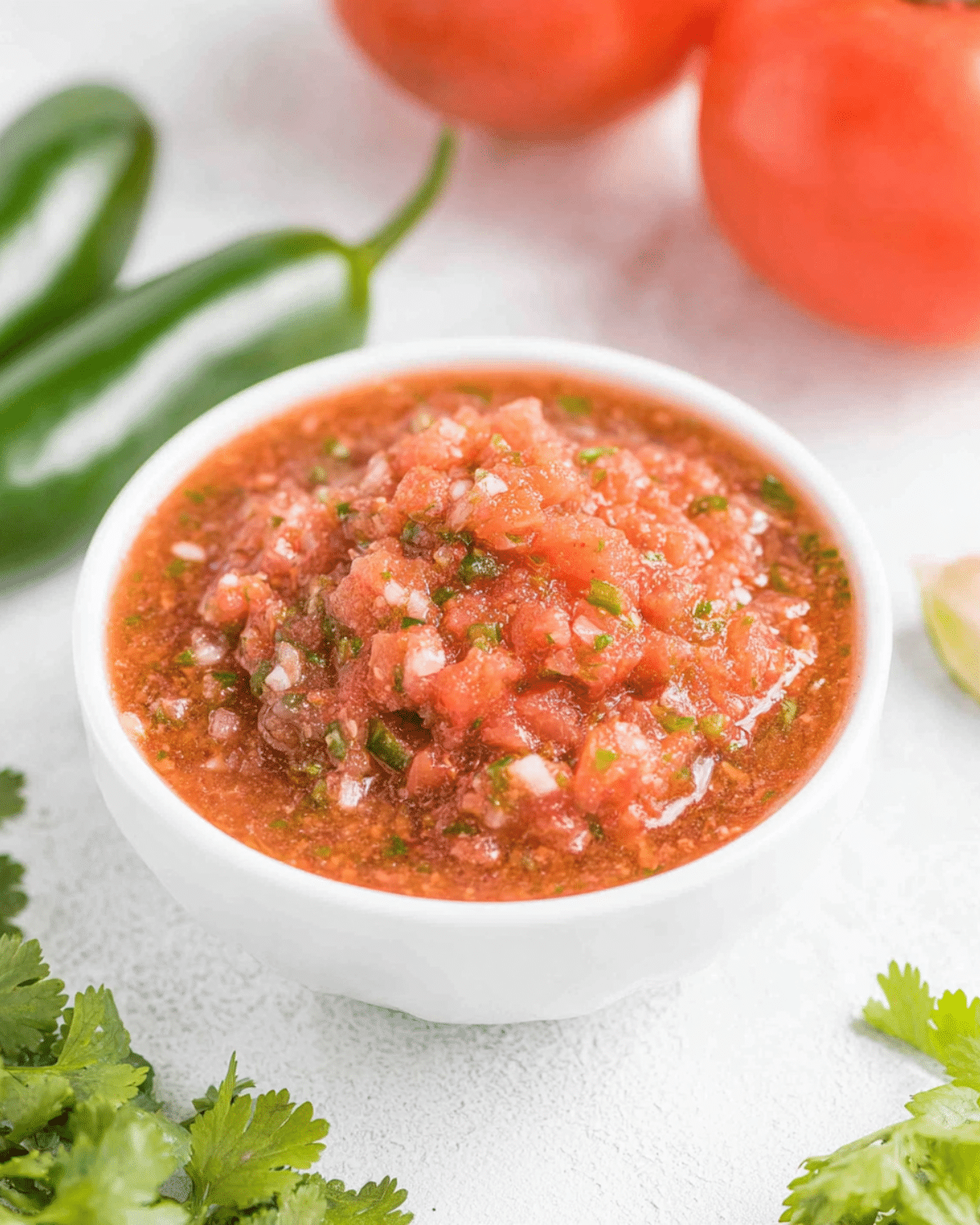
There’s something undeniably refreshing about making your own salsa—especially when it’s packed with homegrown tomatoes, spicy peppers, fresh herbs, and no preservatives. In this article, you’ll learn how to make an easy, vibrant, and customizable garden salsa that brings the taste of summer straight to your bowl. Whether you’re swimming in tomatoes from your garden or hitting the farmer’s market this weekend, this guide will walk you through everything you need to know: ingredients, step-by-step instructions, flavor tips, and storage advice.
Looking for inspiration? Try our Blender Salsa—it’s a weeknight favorite!
JUMP TO
Table of Contents
Why Garden Salsa Is the Perfect Homemade Snack
A flavor-packed way to use fresh tomatoes and peppers
Garden salsa shines brightest when made with just-picked produce. Ripe tomatoes bring juiciness and tang, while jalapenos and green peppers add depth and a kick. Unlike store-bought versions that rely on preservatives, homemade salsa lets every ingredient speak for itself—fresh, crisp, and full of natural flavor. You get to control every detail, from texture to heat level.
This is also a smart way to use up those garden overflows—think beefsteak tomatoes, green onions, and even shallots that didn’t make it into your other meals. Don’t miss our zesty roasted tomato salsa for a warm variation you can also try with your harvest.
Health benefits of fresh salsa over store-bought
Not only is garden salsa delicious, but it’s also packed with vitamins and antioxidants. Tomatoes offer a rich source of lycopene, a powerful antioxidant linked to heart health. Peppers contribute vitamin C, while cilantro supports digestion. Best of all, homemade salsa is naturally low in calories, sugar, and fat—making it an ideal guilt-free snack.
By skipping the additives found in commercial brands, you’re also avoiding excess sodium and stabilizers. The result? A cleaner, fresher bite in every scoop.
When and where to serve this garden-fresh dip
Garden salsa is a crowd-pleaser for everything from backyard barbecues to afternoon snacks. Scoop it up with tortilla chips at your next party, or add it as a topping for burgers and tacos. It’s just as at home next to grilled chicken as it is with scrambled eggs for breakfast.
Planning a summer menu? Discover great ideas like our homemade guacamole to serve alongside your salsa—it’s the perfect combo for entertaining or weeknight dinners.
Ingredients & Tools You’ll Need for Fresh Garden Salsa
Core vegetables and herbs that define the flavor
To make a bold, balanced garden salsa, you’ll need the following:
| Ingredient | Purpose in Salsa |
|---|---|
| Ripe steak tomatoes | Juicy base, vibrant color, mild sweetness |
| Jalapeno (with seeds) | Adds spice and heat balance |
| Shallot + green onion | Provide depth, bite, and sharpness |
| Green bell pepper | Adds crunch and grassy flavor |
| Fresh cilantro | Bright herbal notes that tie flavors together |
| Garlic cloves | Adds pungency and warmth |
| Cumin & lemon juice | Warm spice + tangy acidity to balance sweetness |
You can substitute with whatever you have on hand. Roma or cherry tomatoes, red onions, or even a dash of lime juice work beautifully, too.
Kitchen tools to speed up your salsa prep
Here’s what you’ll want ready before diving into prep:
- Food processor – For quick pulsing without turning the mix into soup
- Mason jars or airtight containers – For storing leftovers
- Disposable gloves – Especially helpful when handling hot peppers
- Cutting board & sharp knife – If chopping by hand for a chunkier texture
- Garlic press – Optional but convenient
Substitutions for seasonal or personal preferences
If you want to tailor the salsa to your taste or what’s in season, consider the following:
- No shallots or green onions? Try red onion or white onion instead
- No fresh lemon? Substitute cider vinegar or lime juice
- Don’t like cilantro? Leave it out or try fresh parsley
- Sensitive to spice? Remove jalapeno seeds and membrane, or skip it entirely
- Prefer extra heat? Add serrano peppers or a dash of hot sauce
Want more recipe flexibility? Check out our easy corn salsa for a chunky, slightly sweet alternative.
How to Make Garden Salsa from Scratch
Step-by-step instructions for the best texture
Making garden salsa takes just 15 minutes:
- Roughly chop all your veggies and herbs.
- Add everything into a food processor: tomatoes, jalapeno, shallot, green pepper, green onion, cilantro, garlic, cumin, lemon juice, and season with salt and pepper.
- Pulse gently until ingredients are finely diced—avoid over-processing, or it will become soup-like.
- Taste and adjust: Add more salt, cumin, or citrus as needed.
- Store in a jar and refrigerate for at least 30 minutes before serving to allow flavors to meld.
It’s that easy.
Tips for adjusting spice, flavor, and consistency
- For milder salsa, remove jalapeno seeds or swap in a green pepper.
- For chunkier texture, hand-chop ingredients or pulse less.
- Want it smoother? Process longer and strain using a fine mesh sieve.
- Add mango, corn, or black beans for creative variations.
Mistakes to avoid when blending fresh salsa
- Over-processing: It’s tempting, but avoid pureeing—it turns into gazpacho fast.
- Skipping the chill time: Fresh salsa tastes better after resting in the fridge.
- Using bland tomatoes: Overripe or under-ripe ones affect the entire flavor.
- Too much citrus or cumin: These can easily overpower if not balanced.
Ways to Use Garden Salsa in Your Everyday Meals
Toppings, dips, and side dish ideas
Garden salsa isn’t just for tortilla chips—though that’s definitely a classic. It’s one of the most versatile kitchen staples you can have on hand. Use it as a topping for grilled chicken, fish, or steak to instantly add flavor without extra calories. Spoon it over baked potatoes or grain bowls for a healthy boost of texture and zest.
It also works great as a fresh side dish. Serve it alongside a plate of rice and beans, or include it in a build-your-own taco night spread. Looking for inspiration? Try our Mexican layered dip with salsa and sour cream for a party hit everyone will love.
Cooking with salsa: Beyond chips
Homemade salsa isn’t limited to snacks—it doubles as a vibrant cooking ingredient. Add it to scrambled eggs for a zesty breakfast or stir into quinoa for a quick lunch. Use it as a base for slow cooker recipes like salsa chicken or pork carnitas.
Want a new twist for pasta night? Blend your salsa until smooth and use it as a light, spicy sauce for penne or rotini. The natural acidity in tomatoes balances out rich ingredients like cheese and cream.
Don’t miss our stuffed bell peppers with salsa rice—a clever way to turn leftovers into a hearty dinner.
Kid-friendly and low-spice alternatives
Not everyone in the family loves heat? No problem. You can easily make a kid-friendly version of garden salsa by omitting the jalapeno and using sweeter peppers like red bell or banana peppers. Swap shallots for milder red onions and cut back on the garlic.
To make it fun for kids, serve it with veggie sticks, mini quesadillas, or inside wraps. You can even mix it with mashed avocado for a quick, creamy dip variation.
Looking for a sweeter take? Check out our fruit salsa with cinnamon chips—a favorite for kids and adults alike.
Storage, Freezing, and Shelf-Life Tips
How long does fresh salsa last in the fridge?
Freshly made garden salsa can last up to 5 days in the refrigerator if stored properly. Use an airtight glass jar or container to preserve the flavor and prevent spoilage. It actually gets better after a few hours as the flavors meld together, so don’t be afraid to make it ahead of time.
Pro tip: Label your container with the date so you can keep track of freshness.
Can you freeze garden salsa and still keep the flavor?
Yes—but with some caution. While you can freeze garden salsa for up to 2–3 months, it may lose some of its fresh flavor and texture upon thawing. Tomatoes tend to release water when frozen and thawed, which can result in a more watery consistency.
To preserve it best:
- Use wide-mouth freezer-safe mason jars
- Leave room at the top for expansion
- Thaw overnight in the fridge before using
For thicker salsa, drain excess liquid after thawing or re-blend with a few fresh ingredients like chopped peppers or onions.
Canning basics if you want to preserve salsa year-round
Want to enjoy your garden salsa months from now? Canning is the way to go. This process lets you preserve your salsa safely for long-term storage without freezing.
Here’s a basic overview:
- Sterilize jars and lids
- Fill jars with hot salsa, leaving ½ inch of space
- Wipe rims clean and seal with lids
- Process in a boiling water bath for 15 minutes
- Let jars cool and check seals before storing
Preserved salsa can last up to 1 year in a cool, dark pantry.

Garden Salsa FAQ
Can I make garden salsa without cilantro?
Absolutely. If you’re one of those who think cilantro tastes like soap (it’s a real genetic thing!), you can skip it. Substitutes include fresh parsley or basil for an herbal note, or just leave it out entirely. The salsa will still taste fresh and vibrant.
What are the best tomatoes for salsa?
Beefsteak tomatoes are a popular choice for their juiciness and bold flavor. But other varieties work great too:
–Roma tomatoes – Less watery, perfect for thick salsa
–Cherry tomatoes – Sweet and tangy, ideal for chunkier textures
–Vine-ripened tomatoes – Naturally juicy with fewer seeds
Always go for ripe, firm, unbruised tomatoes for the best results.
How do I make salsa more or less spicy?
To increase the heat:
-Keep the seeds and membrane in the jalapeno
-Add extra chili peppers like serrano or habanero
To decrease the spice:
-Remove seeds and membranes
-Use milder peppers like Anaheim or banana peppers
-Add extra tomatoes or onions to dilute the heat
Conclusion: Enjoy Summer’s Best with Every Scoop
There’s a reason garden salsa continues to be a summer favorite—it’s bold, healthy, incredibly easy, and endlessly versatile. Whether you grow your own veggies or buy from a local farmer’s market, this no-cook recipe transforms humble ingredients into a vibrant dip or topping that brightens any meal.
Homemade salsa not only tastes better than anything in a jar, but it’s also free of preservatives, customizable to your spice preference, and packed with natural goodness. Once you try this fresh take on a classic favorite, you’ll never go back to store-bought.
Don’t miss our homemade pico de gallo variation if you want a chunkier, zestier option to pair with your salsa night.
PrintGarden Salsa

Fresh and easy Garden Salsa made with ripe tomatoes, jalapeno, garlic, green pepper, and herbs. A healthy, no-cook dip perfect for summer snacking or topping meals.
- Prep Time: 15 minutes
- Cook Time: 0 minutes
- Total Time: 15 minutes
- Yield: About 3 cups
- Category: Appetizers
- Method: No-cook
- Cuisine: American
- Diet: Vegan
Ingredients
- 4 large ripe steak tomatoes, chopped
- 1 jalapeno pepper with seeds, stem removed
- 1 shallot
- 1/2 green pepper
- 1 green onion
- 1/2 cup fresh cilantro
- 2 garlic cloves
- 2 tsp cumin
- 2 tbsp fresh lemon juice
- Salt and pepper to taste
Instructions
- Roughly chop all vegetables and herbs.
- Place all ingredients into a food processor.
- Pulse gently until finely diced but not pureed.
- Taste and adjust salt and pepper as desired.
- Transfer to a mason jar or airtight container and refrigerate for at least 30 minutes before serving.
Notes
- Use gloves when handling hot peppers.
- For milder salsa, remove jalapeno seeds and membrane.
- Letting the salsa sit overnight enhances the flavor.
- Can be frozen for up to 2-3 months, but texture may change.
- Try adding mango, corn, or black beans for variations.
Nutrition
- Serving Size: 1/4 cup
- Calories: 15
- Sugar: 2g
- Sodium: 67mg
- Fat: 0g
- Saturated Fat: 0g
- Unsaturated Fat: 0g
- Trans Fat: 0g
- Carbohydrates: 3g
- Fiber: 1g
- Protein: 0g
- Cholesterol: 0mg