
If you’ve ever tasted a cake with frosting that was incredibly silky, fluffy, rich, and perfectly balanced without being overwhelmingly sweet, there’s a good chance it was made with an Ermine Frosting Recipe. Known by several names including boiled milk frosting, cooked flour frosting, heritage frosting, and roux frosting, this classic frosting has been a beloved part of American baking for over a century.
Long before American buttercream became the standard cake frosting, bakers relied on ermine frosting for birthdays, weddings, holidays, and special celebrations. In fact, traditional Red Velvet Cake was originally paired with ermine frosting rather than cream cheese frosting. The light, creamy texture complemented the cake beautifully, creating one of the most iconic dessert combinations in baking history.
Unlike traditional buttercream, which depends heavily on powdered sugar, ermine frosting uses a cooked mixture of milk and flour to create its structure. This unique method produces a frosting that is noticeably lighter, smoother, and less sweet than many modern frostings. The result is a luxurious frosting that spreads effortlessly, pipes beautifully, and tastes incredibly balanced.
One of the reasons this Ermine Frosting Recipe continues to gain popularity among home bakers is its versatility. It can be flavored with vanilla, chocolate, coffee, citrus, almond, coconut, and countless other additions. Whether you’re decorating layer cakes, cupcakes, cookies, or celebration desserts, ermine frosting provides a professional-quality finish with a homemade touch.
If you’re looking for a frosting that offers elegance, flavor, and a rich baking tradition, this Ermine Frosting Recipe deserves a permanent place in your recipe collection.
JUMP TO
Table of Contents
Ermine Frosting Recipe
What Is Ermine Frosting?
Ermine frosting is a traditional cooked frosting made using a flour-and-milk base that is whipped together with butter and sugar.
The primary ingredients include:
- Whole milk
- All-purpose flour
- Unsalted butter
- Granulated sugar
- Vanilla extract
- Salt
The flour and milk are cooked until thick, cooled completely, and then whipped into butter and sugar to create a fluffy frosting.
The finished frosting offers:
- Silky texture
- Smooth consistency
- Balanced sweetness
- Light mouthfeel
- Excellent stability
Why This Ermine Frosting Recipe Is So Popular
Less Sweet Than Buttercream
Many people prefer a frosting that doesn’t overpower the cake.
Silky Smooth Texture
No graininess from powdered sugar.
Perfect for Decorating
Creates clean cake finishes.
Excellent Piping Consistency
Holds decorative shapes well.
Traditional Red Velvet Frosting
Authentic pairing.
Elegant Appearance
Professional-looking results.
Rich Yet Light
Creamy without feeling heavy.
Easy Pantry Ingredients
Simple grocery list.
Stable Frosting
Works for layered cakes.
Vintage Baking Appeal
A timeless classic.
Why You’ll Love This Ermine Frosting Recipe
Easy to Make
Simple ingredients and steps.
Beginner Friendly
No advanced decorating skills required.
Beautiful Texture
Luxuriously smooth.
Versatile Flavor Base
Easy to customize.
Perfect for Celebrations
Ideal for special occasions.
Better Balance
Lets cake flavors shine.
Smooth Application
Spreads effortlessly.
Great Make-Ahead Option
Stores well.
The History of Ermine Frosting
The origins of ermine frosting date back to the late 1800s and early 1900s.
Before powdered sugar became a common pantry staple, bakers needed a frosting that could be made using everyday ingredients.
They developed a technique involving:
- Cooking milk and flour
- Cooling the mixture
- Whipping it with butter and sugar
The result was a remarkably smooth frosting that quickly became popular.
Throughout the early twentieth century, ermine frosting was commonly used for:
- Red velvet cakes
- White cakes
- Yellow cakes
- Wedding cakes
- Holiday desserts
Today, the recipe has experienced a revival as bakers rediscover vintage recipes and seek alternatives to overly sweet frostings.
Why Ermine Frosting Is Different from Buttercream
| Feature | Ermine Frosting | American Buttercream |
|---|---|---|
| Sweetness | Moderate | Very Sweet |
| Texture | Silky | Dense |
| Sugar Type | Granulated | Powdered |
| Mouthfeel | Light | Heavy |
| Stability | Excellent | Excellent |
| Traditional Use | Red Velvet Cake | General Cakes |
| Preparation | Cooked Base | Simple Mixing |
| Flavor Balance | Delicate | Sugar Forward |
Why Bakers Prefer Ermine Frosting
Doesn’t Overpower Cake
Balanced flavor.
Smooth Finish
Beautiful appearance.
Easier to Eat
Less sugary.
Excellent Texture
Soft and creamy.
Great for Layer Cakes
Stable structure.
Professional Results
Elegant presentation.
Ingredients You’ll Need
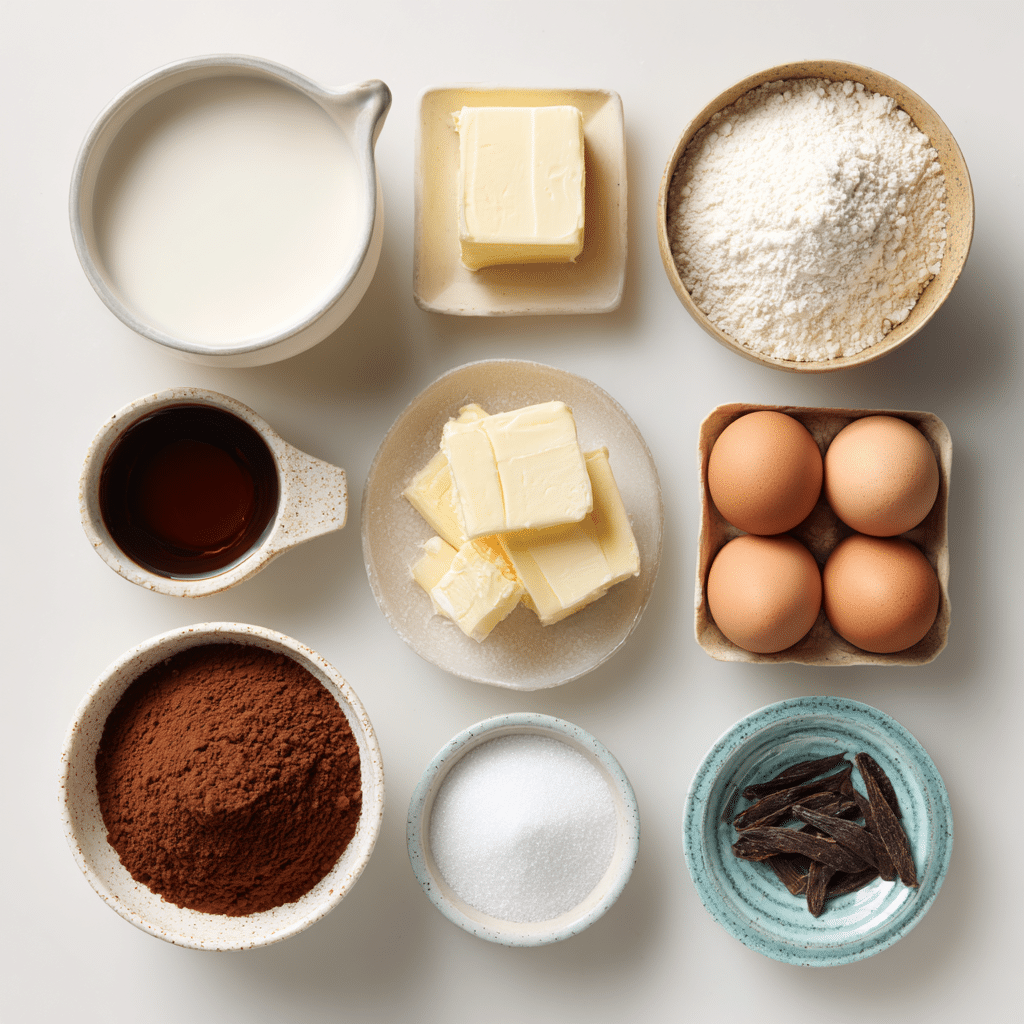
Main Ingredients
- 1 cup whole milk
- 5 tablespoons all-purpose flour
- 1 cup unsalted butter, softened
- 1 cup granulated sugar
- 1 teaspoon pure vanilla extract
- Pinch of salt
Optional Flavor Enhancers
- Vanilla bean paste
- Almond extract
- Lemon extract
- Orange extract
- Espresso powder
- Cocoa powder
- Coconut extract
Ingredient Spotlight
Whole Milk
Provides richness and creaminess.
Flour
Creates the unique structure.
Butter
Adds luxurious flavor.
Granulated Sugar
Balanced sweetness.
Vanilla Extract
Classic flavor enhancement.
Salt
Balances sweetness.
Equipment Needed
You’ll need:
- Medium saucepan
- Whisk
- Stand mixer or hand mixer
- Mixing bowls
- Rubber spatula
Optional:
- Fine mesh strainer
- Cake decorating tools
- Piping bags
How to Make Ermine Frosting Recipe
Step 1: Combine Flour and Milk
Whisk until completely smooth.
Step 2: Cook the Mixture
Heat over medium heat.
Step 3: Stir Constantly
Prevent lumps from forming.
Step 4: Thicken
Cook until pudding-like.
Step 5: Cool Completely
Essential for success.
Step 6: Beat Butter
Whip until creamy.
Step 7: Add Sugar
Continue beating.
Step 8: Add Vanilla and Salt
Mix thoroughly.
Step 9: Add Cooled Mixture
Incorporate gradually.
Step 10: Whip Thoroughly
Until light and fluffy.
Step 11: Frost Desserts
Use immediately.
Why Cooling Is So Important
One of the most critical steps in any Ermine Frosting Recipe is allowing the flour mixture to cool completely.
If the mixture remains warm:
- Butter melts
- Frosting separates
- Texture becomes runny
- Stability decreases
A fully cooled mixture ensures:
- Fluffy consistency
- Smooth texture
- Stable frosting
- Professional results
Why This Recipe Works
Cooked Flour Base
Creates stability.
Butter Provides Richness
Luxurious mouthfeel.
Whipping Adds Air
Creates fluffiness.
Balanced Sweetness
Perfect flavor.
Traditional Technique
Proven success.
Expert Tips for Perfect Ermine Frosting
Cool Completely
Never rush this step.
Use Softened Butter
Ensures smooth mixing.
Beat Generously
Creates fluffy texture.
Use Whole Milk
Best richness.
Measure Carefully
Consistency matters.
Scrape Bowl Often
Even mixing.
Use Quality Vanilla
Improved flavor.
Whisk Constantly
Avoid lumps.
Rewhip If Needed
Restores texture.
Practice Patience
Worth the wait.
Common Mistakes to Avoid
Warm Roux
Causes failure.
Cold Butter
Uneven consistency.
Underbeating
Dense frosting.
Overcooking Flour Mixture
Too thick.
Skipping Cooling Time
Runny frosting.
Incorrect Measurements
Inconsistent results.
Flavor Variations
Chocolate Ermine Frosting
Rich cocoa flavor.
Lemon Frosting
Bright citrus notes.
Orange Frosting
Refreshing twist.
Almond Frosting
Elegant taste.
Coconut Frosting
Tropical flavor.
Coffee Frosting
Espresso richness.
Mocha Frosting
Chocolate-coffee combination.
Strawberry Frosting
Fruit-forward option.
Cinnamon Frosting
Warm spice.
Vanilla Bean Frosting
Premium flavor.
Maple Frosting
Comforting sweetness.
Cookies and Cream Frosting
Fun variation.
Best Cakes for Ermine Frosting
| Cake Type | Why It Works |
|---|---|
| Red Velvet Cake | Traditional pairing |
| Vanilla Cake | Balanced flavor |
| Chocolate Cake | Rich contrast |
| White Cake | Elegant finish |
| Yellow Cake | Classic combination |
| Coconut Cake | Tropical pairing |
| Strawberry Cake | Fruity complement |
| Marble Cake | Versatile option |
| Funfetti Cake | Celebration favorite |
| Lemon Cake | Bright flavor match |
Decorating with Ermine Frosting
Smooth Cake Finishes
Professional appearance.
Piped Borders
Holds shape beautifully.
Rosettes
Elegant decorations.
Cupcake Swirls
Perfect presentation.
Layer Cake Filling
Excellent stability.
Storage Instructions
Refrigerator
Store up to 5 days.
Airtight Container
Prevents drying.
Bring to Room Temperature
Before use.
Rewhip
Restore fluffiness.
Make-Ahead Instructions
Prepare Ahead
Up to one day in advance.
Refrigerate
Store covered.
Rewhip Before Using
Best texture.
Frequently Asked Questions
Why is it called ermine frosting?
The exact origin is unknown, but the recipe has existed for over a century.
Is ermine frosting less sweet than buttercream?
Yes.
Can I pipe it?
Absolutely.
Can I freeze it?
Yes.
Conclusion
This Ermine Frosting Recipe remains one of the most beloved vintage frosting recipes for good reason. Its silky texture, balanced sweetness, fluffy consistency, and timeless elegance make it a perfect choice for cakes, cupcakes, and special occasion desserts. Whether you’re creating an authentic red velvet cake or simply looking for a less-sweet alternative to traditional buttercream, ermine frosting delivers exceptional results every time. Once you experience its smooth texture and delicate flavor, it’s likely to become your favorite homemade frosting.
PrintErmine Frosting Recipe – The Best Old Fashioned Cake Frosting

Ermine Frosting Recipe is a classic old-fashioned frosting made from a cooked milk and flour base whipped with butter, sugar, and vanilla. This silky, fluffy frosting is less sweet than traditional buttercream and perfect for cakes, cupcakes, and authentic red velvet cake.
- Prep Time: 15 minutes
- Cook Time: 10 minutes
- Total Time: 25 minutes
- Yield: 4 cups frosting
Ingredients
- 1 cup whole milk
- 5 tablespoons all-purpose flour
- 1 cup unsalted butter, softened
- 1 cup granulated sugar
- 1 teaspoon pure vanilla extract
- 1 pinch salt
- 1 teaspoon vanilla bean paste (optional)
- 1/2 teaspoon almond extract (optional)
- 1 tablespoon cocoa powder for chocolate variation (optional)
Instructions
- Whisk the milk and flour together in a medium saucepan until completely smooth.
- Place the saucepan over medium heat and cook while whisking constantly.
- Continue cooking until the mixture thickens to a pudding-like consistency.
- Remove from heat and transfer to a bowl.
- Cover with plastic wrap touching the surface and cool completely.
- Beat softened butter in a large bowl until light and creamy.
- Gradually add granulated sugar and continue beating until fluffy.
- Add vanilla extract and salt and mix well.
- Add the cooled flour mixture one spoonful at a time while mixing.
- Continue beating for 5 to 8 minutes until silky and fluffy.
- Scrape the bowl as needed for even mixing.
- Use immediately to frost cakes, cupcakes, or cookies.
Notes
- The cooked flour mixture must be completely cool before combining with butter.
- Warm roux can cause the frosting to separate.
- Use room-temperature butter for the smoothest texture.
- Whole milk provides the richest flavor and consistency.
- Whisk continuously while cooking to prevent lumps.
- If lumps occur, strain the mixture before cooling.
- Beat the frosting long enough to create a light and airy texture.
- This frosting is significantly less sweet than American buttercream.
- Ideal for red velvet cake, vanilla cake, chocolate cake, and cupcakes.
- Can be flavored with citrus, almond, coffee, coconut, or chocolate.
- Store refrigerated for up to 5 days.
- Allow refrigerated frosting to come to room temperature before use.
- Rewhip chilled frosting to restore fluffiness.
- Can be frozen for up to 2 months.
- Excellent for piping borders, rosettes, and decorative designs.
Nutrition
- Serving Size: 2 tablespoons
- Calories: 145
- Sugar: 8g
- Sodium: 25mg
- Fat: 11g
- Saturated Fat: 7g
- Unsaturated Fat: 3g
- Trans Fat: 0g
- Carbohydrates: 10g
- Fiber: 0g
- Protein: 1g
- Cholesterol: 30mg