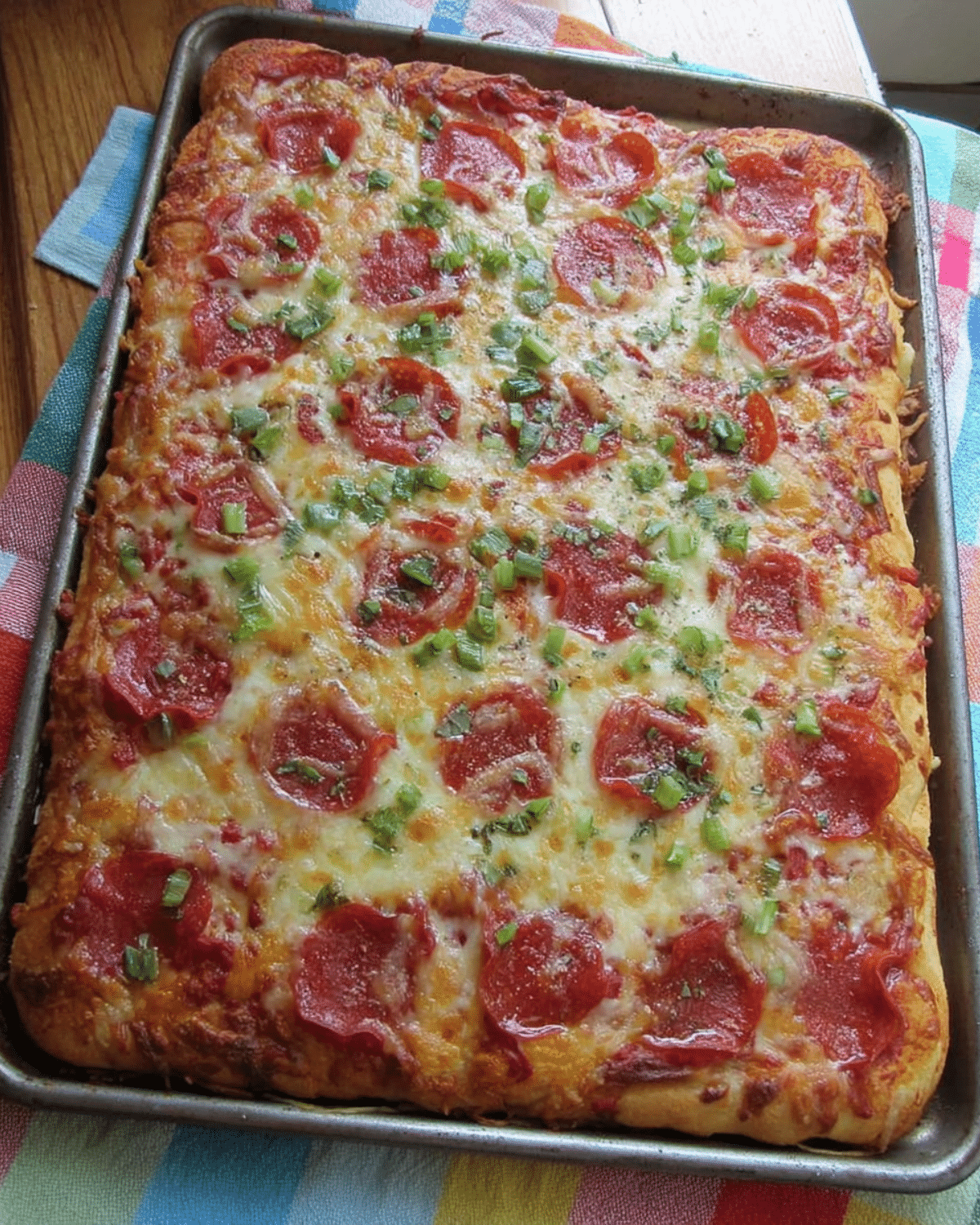
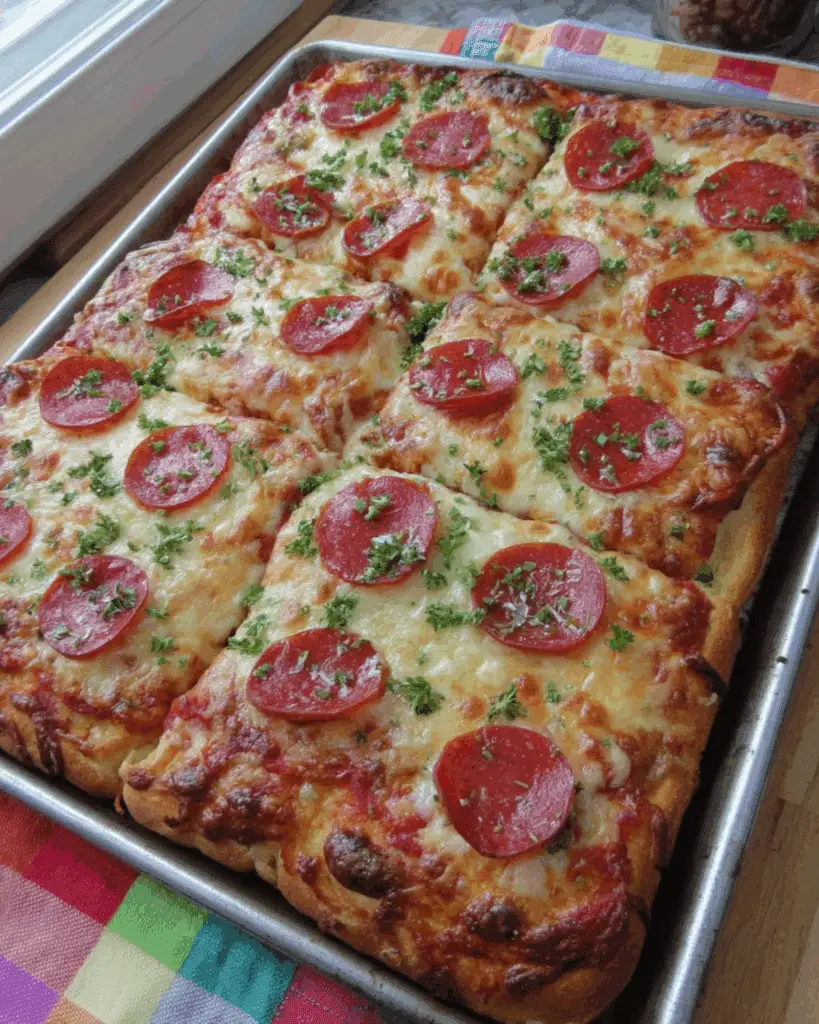
There’s something undeniably comforting about a slice of School Cafeteria Pizza. Whether you grew up looking forward to pizza Fridays or you missed out entirely, this iconic lunchroom classic still evokes memories of simpler times. With its thick, airy crust and zesty sauce layered under stretchy cheese, it’s the kind of meal that brings both flavor and familiarity. And the good news? You don’t have to rely on nostalgia or the school lunch line—because now, you can make it right at home.
In this guide, we’ll show you how to replicate the magic with an easy, pourable crust, a deeply savory sauce, and all the classic toppings. Along the way, we’ll share tips on customizing your pizza, freezing the sauce for later, and even making this dish healthier or more kid-friendly. Don’t miss our cotton candy margarita without alcohol if you’re looking for a fun drink pairing the whole family can enjoy.
JUMP TO
Table of Contents
Why School Cafeteria Pizza Still Hits the Spot
The Comfort Food We Grew Up With
No matter where you went to school, cafeteria pizza had its own distinct charm. Thick and squishy with a lightly crisped bottom, it wasn’t trying to be gourmet. But for many kids, it was the best lunch of the week—served with a side of veggies and a carton of milk. That unmistakable rectangle of pizza, often served on a beige tray, became a weekly highlight. It was more than food; it was a ritual.
In a time before fast-casual chains dominated the scene, school pizza filled the gap between homemade and takeout. It was hearty, filling, and above all—memorable. Even those who never had it long for its taste once they discover how easy it is to recreate at home.
The Cultural Relevance of Pizza Day
In American schools, Pizza Day wasn’t just about food—it was an event. From the late 70s through the 90s, many districts across the U.S. implemented rotating hot lunch menus, and Friday’s star was always pizza. It was that rare occasion when lunch felt like a treat. Kids lined up early, teachers snuck slices from the back, and parents even tried recreating it at home.
This shared experience connects generations. Whether you grew up in the Midwest or the South, pizza day united lunch tables and cemented pizza’s place in American food culture. Today, families continue the tradition by making cafeteria-style pizza for movie nights, birthday parties, or just because.
Differences Between Cafeteria Pizza and Takeout
One thing that sets School Cafeteria Pizza apart from traditional delivery or gourmet pies is its humble structure. The crust is uniquely pourable—yes, you read that right—and it bakes into a fluffy, almost breadstick-like base with just the right amount of chew.
Instead of exotic cheeses or wood-fired flair, it features a straightforward tomato sauce, mozzarella, and a lineup of reliable toppings like pepperoni, sausage, and bell peppers. This isn’t pizza for show—it’s pizza for real people, hungry bellies, and warm memories.
Want to serve up a retro meal with real flavor? Check out our california pizza kitchen butter cake recipe for the ultimate nostalgic dessert pairing.
Homemade School Cafeteria Pizza: Ingredients and Prep Guide
If you’ve ever wondered what made those iconic square slices taste so good, the answer lies in simplicity—and a little creativity. Making School Cafeteria Pizza at home doesn’t require expensive ingredients or fancy equipment. With pantry staples and a few key steps, you can recreate this childhood favorite in your own kitchen.
Pantry-Friendly Crust You Can Pour
The magic starts with the crust, and this one’s a game-changer. Instead of rolling or kneading traditional dough, you’ll mix up a batter-like base that you simply pour and spread. It’s soft, pillowy, and crisps up perfectly in the oven.
Here’s what you need for the crust:
| Ingredient | Amount |
|---|---|
| Shortening | 1 tbsp |
| Cornmeal | 1½ tbsp |
| Yeast | 2½ tsp |
| Warm water | 1⅔ cups (392 ml) |
| All-purpose flour | 2½ cups (350 g) |
| Dry milk powder | ⅔ cup (86 g) |
| Granulated sugar | 2 tbsp |
| Salt | ¼ tsp |
| Oil | 1½ tsp |
Mixing this crust is as simple as combining the ingredients in a stand mixer for about 10 minutes. The result is a smooth, pourable batter you’ll spread across a greased and cornmeal-sprinkled half-sheet pan. No kneading, no rising drama—just easy prep and consistent results.
Pro Tip: If you don’t have dry milk powder, try blending regular milk with reduced water volume—but note, the flavor and texture may vary slightly.
Looking for more crust ideas? Try our no-knead bread for another hands-off dough option that’s bakery-worthy.
The Sauce that Makes It Special
The crust may be unique, but the sauce is what really sets this pizza apart. Developed over years of trial and error, this homemade sauce delivers a rich, layered flavor with a subtle herbal kick—and a surprise twist of Chinese five-spice powder.
Sauce Ingredients:
| Ingredient | Amount |
|---|---|
| Tomato sauce (passata) | 2 cups (480 ml) |
| Tomato paste | 3 tbsp |
| Garlic (minced) | 2 cloves |
| Sugar | 1 tsp |
| Onion powder | 1 tsp |
| Dried basil | 1½ tsp |
| Dried oregano | 1 tsp |
| Chinese five spice | ¼ tsp |
| Salt and black pepper | To taste |
Just simmer all the ingredients for about 15 minutes to allow the flavors to deepen and infuse. It makes enough for two large pizzas, and you can freeze the extra in portions using ice cube trays.
Don’t miss our zinfandel barbecue sauce recipe if you’re in the mood to explore more homemade sauces with big flavor.
Choosing Classic and Creative Toppings
The beauty of School Cafeteria Pizza is that it’s endlessly customizable. While traditional toppings like pepperoni, sausage, and green peppers are a nostalgic must, there’s no reason not to get creative.
Top it with:
- Mozzarella cheese (2 cups, shredded)
- Parmesan cheese (2 tbsp)
- Your favorites: cooked bacon, onions, mushrooms, olives, even pineapple
Want to go meat-free or make a fun kids’ version? Try sliced cherry tomatoes, sweet corn, or even a white sauce base.
Discover great ideas like our anti-inflammatory pineapple smoothie to add balance and brightness to your pizza night.
Step-by-Step Instructions for the Perfect Bake
Making School Cafeteria Pizza at home is easier than you’d think. From crust to toppings, each step is straightforward and family-friendly—even for beginner cooks. Here’s how to bring that iconic rectangle pizza to life in your own oven.
Preparing the Crust and Pan Like a Pro
- Activate the yeast: Combine yeast and warm water in your mixer bowl. Let sit 4–5 minutes until frothy.
- Mix the batter: Add flour, salt, sugar, dry milk powder, and oil. Beat using the whisk or paddle attachment for 10 minutes until smooth.
- Prepare the pan: Grease a 13×18-inch rimmed baking sheet with shortening. Sprinkle cornmeal over it for that signature school-lunch texture.
- Pour and spread: Pour the batter into the center of the pan. Use a rubber spatula to gently spread it to the edges. It might seem like it won’t stretch—but it will! Let it rest for 20 minutes.
Cooking and Assembly Process
- Prebake the crust: Bake at 450°F (232°C) for 10 minutes until set but not browned.
- Add toppings: Spread your homemade sauce evenly, then layer with mozzarella, Parmesan, and desired toppings.
- Final bake: Return to the oven and bake for 10–15 more minutes, until cheese is melted and edges begin to brown.
- Cool and slice: Let stand for 5 minutes before slicing into nostalgic rectangles or squares.
Looking for inspiration? Try our cheesy chicken enchilada casserole for another weeknight winner that satisfies every craving.
Final Bake and Serving Suggestions
Serve hot with a side of carrot sticks, ranch dip, or a crisp salad. The crust remains tender and chewy, the sauce bursts with flavor, and every bite tastes like a throwback to elementary school. Leftovers reheat beautifully in a toaster oven or air fryer, making this a great make-ahead dinner option.
Expert Tips to Elevate Your School Cafeteria Pizza
Make-Ahead and Freezing Options
You can prep the crust batter a day in advance—just refrigerate and let it come to room temperature before spreading. Freeze any extra sauce in ice cube trays, then transfer to a freezer bag for future pizza nights.
Healthier Swaps Without Losing Flavor
Want to lighten things up? Use part-skim mozzarella, swap in turkey sausage, or go meatless entirely. The pourable crust also works well with white whole wheat flour for added fiber.
Feeding a Crowd or Scaling Down
You can easily double the recipe for parties or bake sales—or halve it for a smaller household using a quarter-sheet pan. For precision, halve every measurement and bake in a 9×13 pan.
Check out our easy breakfast egg muffins if you’re planning ahead for next day meals!
FAQs About Making School Cafeteria Pizza at Home
Can I use a hand mixer instead of a stand mixer?
Yes. It’ll take a bit more time and elbow grease, but a hand mixer can get the job done. Mix until smooth with some lumps remaining.
What’s a good substitute for dry milk powder?
You can try using regular milk and reducing the water by the same amount, but flavor and structure may shift slightly.
Can I make this crust without yeast?
Yeast is essential for the texture and rise of this pourable crust. Skip it, and you lose the fluff.
What toppings work best for picky eaters?
Stick with mozzarella, mini pepperoni, or plain cheese. For a veggie sneak, try blending spinach into the sauce.
How do I reheat leftovers and keep them crispy?
Avoid the microwave. Reheat in an oven at 375°F for 6–8 minutes, or use an air fryer for extra crispness.
Conclusion: Bring the Lunchroom Back Home
School Cafeteria Pizza isn’t just a recipe—it’s a trip down memory lane. With its fluffy crust, robust homemade sauce, and comforting cheese, it’s the perfect dish to feed the whole family with zero fuss. Whether you’re recreating a childhood favorite or introducing it to the next generation, this pizza is a guaranteed crowd-pleaser.
So grab your ingredients, line your pan, and pour yourself back in time. It’s pizza day—any day you want.
Don’t miss our swedish meatball recipe for another comforting dish straight from the classic cafeteria playbook.
PrintSchool Cafeteria Pizza
This homemade School Cafeteria Pizza recipe recreates the nostalgic, fluffy rectangular pizza slices from school lunchrooms, complete with a pourable crust, rich tomato sauce, and classic toppings.
- Prep Time: 35 minutes
- Cook Time: 20 minutes
- Total Time: 55 minutes
- Yield: 8 servings
- Category: Main Dish
- Method: Baked
- Cuisine: American
- Diet: Vegetarian
Ingredients
- 1 tbsp shortening
- 1½ tbsp cornmeal
- 2½ tsp yeast
- 1⅔ cups warm water
- 2½ cups all-purpose flour
- ⅔ cup dry milk powder
- 2 tbsp granulated sugar
- ¼ tsp salt
- 1½ tsp oil
- 2 cups tomato sauce (passata)
- 3 tbsp tomato paste
- 2 cloves garlic, minced
- 1 tsp sugar
- 1 tsp onion powder
- 1½ tsp dried basil
- 1 tsp dried oregano
- ¼ tsp Chinese five spice powder
- Salt and black pepper to taste
- 2 cups shredded mozzarella cheese
- 2 tbsp grated Parmesan cheese
- Optional: bacon, sausage, pepperoni, onions, green peppers, olives
Instructions
- Combine yeast and warm water in a mixing bowl. Let sit for 4–5 minutes.
- Add flour, salt, sugar, dry milk powder, and oil. Beat for 10 minutes until mostly smooth.
- Grease a 13×18-inch baking sheet with shortening and sprinkle with cornmeal.
- Pour batter into the pan and spread evenly with a spatula. Let rest for 20 minutes.
- Preheat oven to 450°F (232°C).
- Bake the crust for 10 minutes.
- While the crust bakes, combine all sauce ingredients in a saucepan. Simmer for 15 minutes and set aside.
- Remove crust from oven. Spread sauce evenly over crust, then add cheeses and toppings.
- Return to oven and bake for 10–15 more minutes until cheese is melted and edges are golden.
- Let cool for 5 minutes before slicing into squares and serving.
Notes
- Extra sauce can be frozen in ice cube trays for later use.
- You can halve the crust recipe and use a 9×13 pan for a smaller batch.
- Use part-skim mozzarella or whole wheat flour for a lighter version.
- Hand mixers work fine if a stand mixer isn’t available.
- Reheat leftovers in the oven or air fryer for a crispier texture.
Nutrition
- Serving Size: 1 slice
- Calories: 340
- Sugar: 5g
- Sodium: 580mg
- Fat: 14g
- Saturated Fat: 6g
- Unsaturated Fat: 6g
- Trans Fat: 0g
- Carbohydrates: 38g
- Fiber: 2g
- Protein: 14g
- Cholesterol: 25mg