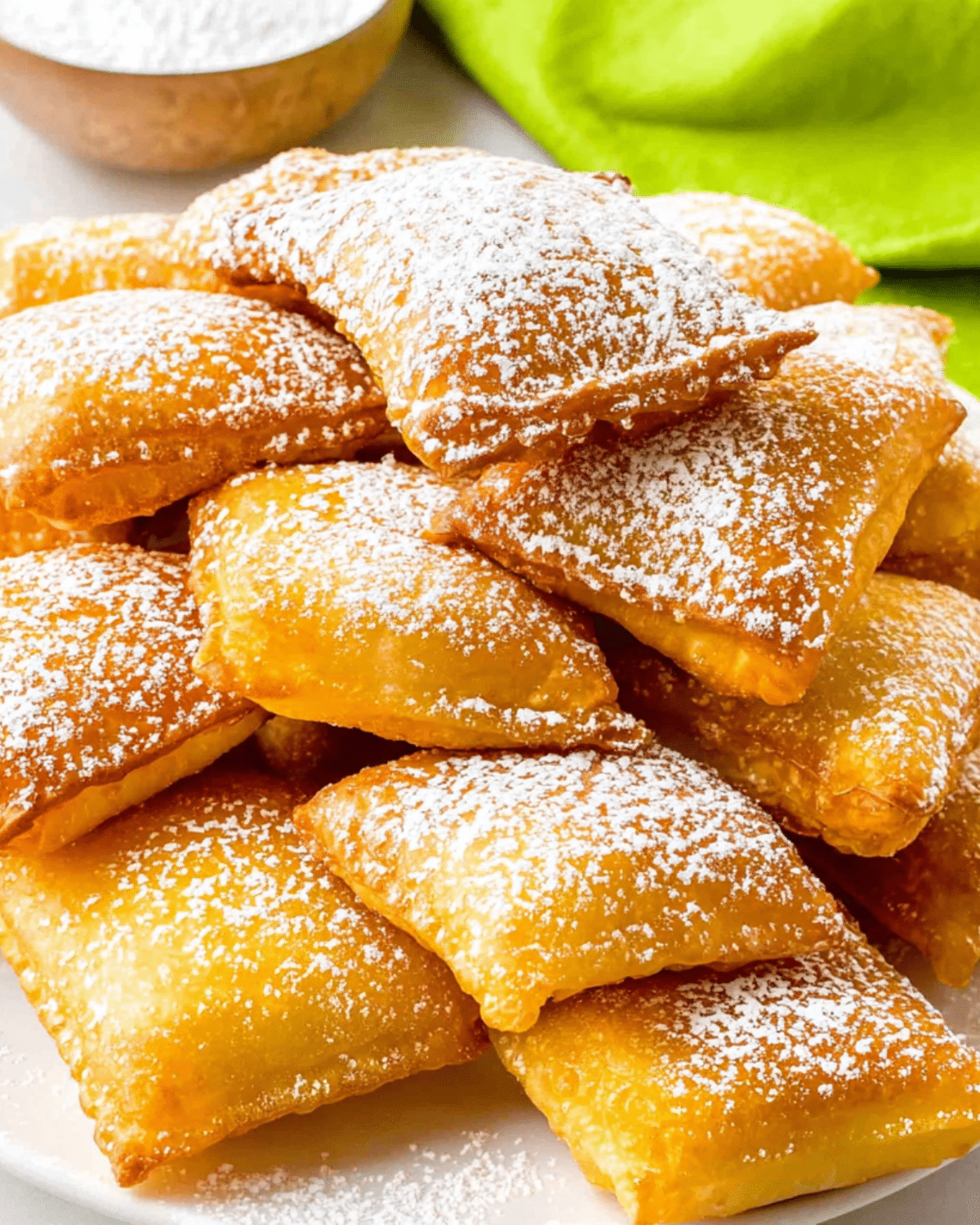
Crispy on the outside, light and airy on the inside, the irresistible sopapilla is a beloved dessert in Southwestern and Latin American cuisine. Often drizzled with honey or dusted with powdered sugar, these golden pillows of fried dough strike the perfect balance between simplicity and indulgence. In this guide, you’ll learn everything from its origins to how you can recreate this treat from scratch right in your kitchen.
Looking for more classic comfort food ideas? Check out our guide to Homemade Pumpkin Rolls for the perfect breakfast
Let’s dive into what makes sopapillas so special.
JUMP TO
Table of Contents
What Is a Sopapilla and Why It’s So Irresistible
A delicious cross between fry bread and a doughnut
At its core, a sopapilla is made from a simple dough that’s rolled, cut, and fried until it puffs into a light, hollow pastry. While similar in texture to fry bread, it boasts a fluffier center and more delicate crust—more like a doughnut than a dense bread. Its airy interior makes it ideal for soaking up honey or syrup, giving every bite a melt-in-your-mouth sweetness that’s hard to resist.
Unlike doughnuts, sopapillas are typically made without yeast, relying on baking powder for their rise. That means no waiting for hours while dough proofs—just mix, roll, fry, and serve.
Origins: Where sopapillas come from and how they spread across America
Sopapillas trace their roots to Spanish cuisine, influenced by Moorish traditions and brought to the Americas by colonizers. They became especially popular in New Mexico, where they’re often served as both dessert and a savory bread alongside meals.
Today, sopapillas are celebrated in Tex-Mex, New Mexican, and even Chilean cuisines. In some regions, they’re stuffed with meats and cheeses, while in others, they’re purely sweet. What unites all versions is their puffy, golden perfection that makes them a crowd favorite.
Cultural significance in Southwestern cuisine
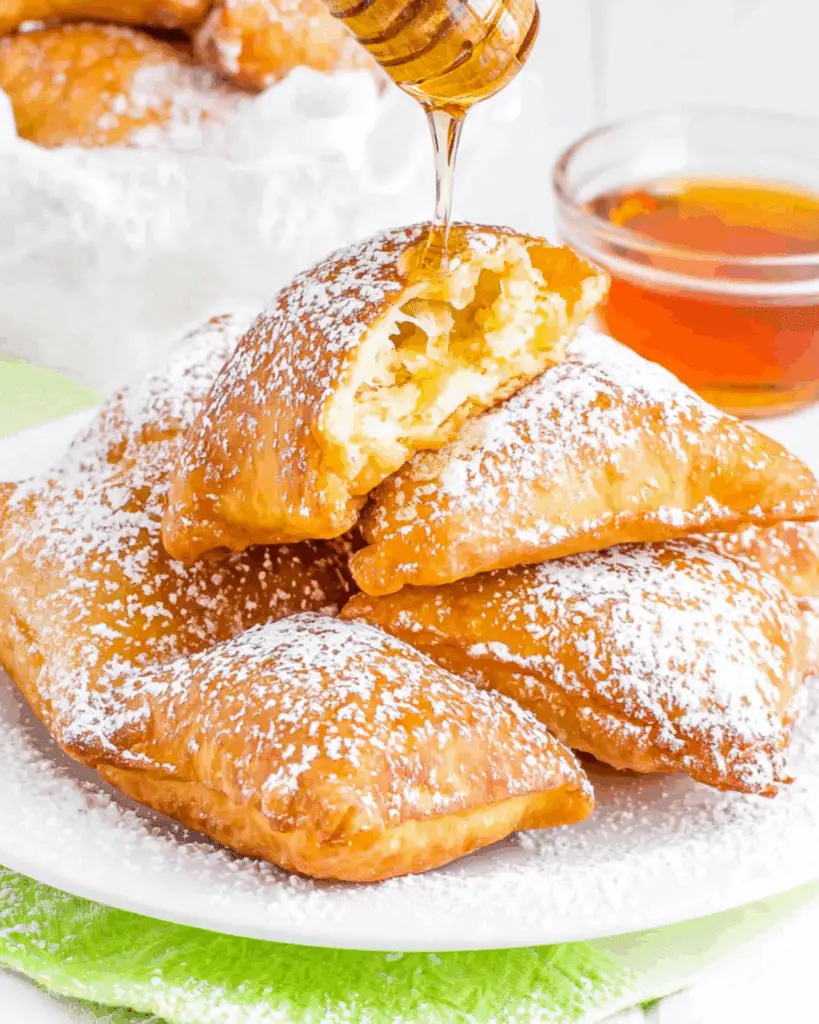
In places like Santa Fe and Albuquerque, the sopapilla holds more than just culinary value—it’s a cultural staple. Often served free with meals in New Mexican restaurants, it’s a familiar comfort food that brings families together. The moment you tear into a fresh, hot sopapilla and drizzle it with honey, you understand its staying power.
For Southwestern families, sopapillas are more than a treat—they’re tradition.
Ingredients You’ll Need for Homemade Sopapillas
The essential pantry ingredients
Making sopapillas at home doesn’t require fancy tools or specialty items. You probably have everything in your pantry already:
| Ingredient | Purpose |
|---|---|
| All-purpose flour | Structure and texture |
| Baking powder | Leavening for puffiness |
| Salt | Flavor enhancer |
| Warm water | Activates the baking powder |
| Vegetable oil | For frying |
Simple, right? These five ingredients come together to form the magic of irresistible sopapilla dough.
Tips for choosing the right flour and oil
To get the best texture, use unbleached all-purpose flour. It provides the right balance of softness and strength. Avoid cake flour—it’s too delicate for frying.
As for oil, vegetable oil or canola oil works best due to their neutral flavors and high smoke points. Don’t use olive oil or butter, as they can burn or overpower the pastry.
Optional ingredients for extra flavor twists
Want to add your own twist? Consider these flavorful upgrades:
- A teaspoon of cinnamon in the dough
- Swap water for warm milk for richness
- Add a splash of vanilla extract
For a savory version, leave out the sugar and add minced herbs or shredded cheese. Sopapillas are wonderfully versatile!
Mastering the Dough: Prep Tips That Make All the Difference
How to mix and knead for optimal texture
Start by mixing dry ingredients—flour, salt, and baking powder. Slowly add warm water until a shaggy dough forms. Turn it out on a floured surface and knead for 4 to 5 minutes. The goal is to create a smooth, elastic dough that doesn’t stick to your hands.
Over-kneading can make the dough tough. Stop once it’s smooth and no longer sticky.
Letting the dough rest: the science behind puffiness
Resting the dough for at least 20 minutes helps the gluten relax and ensures better puffing during frying. Cover it with a damp cloth to prevent it from drying out. This rest period is the secret behind that light, hollow center.
Don’t skip it—even a short rest makes a big difference.
Common dough-making mistakes to avoid
- Using cold water: Always use warm water to activate baking powder
- Over-kneading: Makes sopapillas dense and chewy
- Skipping the rest: Leads to flat, limp pastries
- Rolling too thin or too thick: Aim for 1/8 inch thickness
Avoid these missteps and you’ll be on your way to sopapilla success!
Frying to Fluffy Perfection
Ideal oil temperature and frying techniques
The single most important factor in making irresistible sopapillas puff up is getting your oil to the right temperature—between 375°F and 385°F. If it’s too cold, they’ll absorb oil and turn soggy. Too hot, and they’ll burn before puffing.
Use a deep-fry thermometer for accuracy. Drop one dough square in to test. If it sinks, the oil’s not hot enough. If it browns instantly, it’s too hot. The perfect sopapilla should float up within 3–4 seconds and puff like a balloon.
Always fry in small batches—crowding the pot drops the temperature and messes with puffing.
How to make them puff every time
To guarantee those signature pillows of air:
- Roll dough evenly to about ⅛ inch thickness
- Cut into even squares or triangles
- Drop gently into hot oil, allowing them space
- Spoon hot oil over the top to encourage even puffing
Once puffed and golden (about 1 minute per side), remove with a slotted spoon and place on a paper towel-lined plate.
Need more help with frying basics? Don’t miss our ultimate guide to frying techniques for stress-free results.
Draining, cooling, and storing tips
After frying, let sopapillas cool slightly on a wire rack or paper towels. Avoid stacking them while hot—they’ll steam and lose crispiness.
Planning to store some for later? Let them cool fully, then store in an airtight container at room temperature for up to 2 days. Reheat in the oven at 350°F for 5–7 minutes to restore their crunch.
Want a dessert that stores better? Discover great ideas like our Mexican Chocolate Fudge for long-lasting sweet treats.
Serving Suggestions for the Ultimate Sopapilla Experience
Traditional toppings: honey, powdered sugar, and cinnamon
A freshly fried sopapilla is a blank canvas for flavor. The classic combo? A drizzle of warm honey over a hot puff, finished with a dusting of powdered sugar.
Other traditional options include:
- Cinnamon sugar (just like churros)
- Agave syrup or maple syrup
- A light glaze for dessert platters
This sweet finish balances perfectly with the neutral dough. Irresistible sopapilla isn’t just about texture—it’s about how flavors melt together with every bite.
Creative twists: savory sopapillas and modern flavors
Who says sopapillas have to be sweet?
Savory sopapillas are an exciting twist, perfect for appetizers or meals. Fill them with:
- Refried beans and cheese
- Shredded beef or chicken
- Spiced vegetables or chorizo
Cut them open and stuff like a pita, or top them like tacos. Want something daring? Try our stuffed taco pockets for a similar savory experience.
Sweet-modern takes are also trending. Think:
- Nutella and banana
- Berries and whipped cream
- Dulce de leche drizzle
Pairings: what to serve with sopapillas
Sopapillas shine brightest with complementary dishes. Pair them with:
| Dish | Why it Works |
|---|---|
| Mexican hot chocolate | Rich and warming contrast |
| Spicy chili or stew | Savory + sweet = perfect |
| Café con leche | Balanced, mild finish |
| Light fruit salad | Refreshes the palate |
Looking for inspiration? Try our easy churro cupcakes for a sweet pairing at your next party.
Frequently Asked Questions About Sopapillas
Why didn’t my sopapillas puff up?
The number one reason sopapillas don’t puff is low oil temperature. Your oil should be between 375°F–385°F. Another possible issue is uneven rolling. Dough that’s too thick or too thin can prevent proper puffing. Also, be sure your baking powder is fresh—expired leavening won’t react well with warm water.
Can I bake sopapillas instead of frying them?
Yes, though the result will be slightly different. Baked sopapillas are less crispy and may not puff as dramatically. To bake:
-Preheat oven to 400°F
-Place dough pieces on a parchment-lined sheet
-Lightly brush with oil or butter
-Bake for 8–10 minutes until golden
They’re a lighter alternative and still delicious—especially when dusted with cinnamon sugar.
How do I store and reheat leftovers?
Cool your sopapillas fully before storing in an airtight container. They stay fresh for up to 2 days at room temp. For longer storage, freeze them for up to 2 months.
To reheat, pop them in a 350°F oven for 5–7 minutes. Avoid the microwave—it makes them rubbery.
Can I make the dough ahead of time?
Absolutely. You can prepare the dough up to 24 hours in advance. Wrap it tightly in plastic and refrigerate. Before rolling and frying, let it come to room temperature and rest again for 15–20 minutes.
Conclusion: Bring Irresistible Sopapillas to Your Table Today
Whether you’re craving a sweet treat to end a meal or looking to impress guests with something unexpected, irresistible sopapillas are the way to go. With just a few ingredients and a simple frying technique, you can recreate this Southwestern classic at home—puffed, golden, and dripping with honey.
Don’t be afraid to experiment. Try sweet, savory, or even fusion styles. However you serve them, sopapillas are always a warm, delicious reminder of comfort and tradition.
Discover great ideas like our authentic Mexican Buñuelos recipe for more delicious deep-fried desserts.
PrintIrresistible Sopapillas

Irresistible sopapillas are golden, puffy fried pastries popular in Southwestern cuisine. Light, airy, and deliciously sweet, they’re typically served with honey or powdered sugar and can be customized with savory or modern twists.
- Prep Time: 25 minutes
- Cook Time: 15 minutes
- Total Time: 40 minutes
- Yield: 8 servings
- Category: Dessert
- Method: Frying
- Cuisine: Southwestern
- Diet: Vegetarian
Ingredients
- 2 cups all-purpose flour
- 2 teaspoons baking powder
- 1/2 teaspoon salt
- 3/4 cup warm water
- Vegetable oil for frying
Instructions
- In a large bowl, mix flour, baking powder, and salt.
- Gradually add warm water and mix until a shaggy dough forms.
- Knead the dough on a floured surface for 4–5 minutes until smooth.
- Cover and let the dough rest for at least 20 minutes.
- Roll out dough to about 1/8 inch thickness and cut into 3-inch squares or triangles.
- Heat oil in a deep pan to 375°F (190°C).
- Fry dough pieces in batches for 1–2 minutes per side or until golden and puffed.
- Remove with a slotted spoon and drain on paper towels.
- Serve warm with honey, powdered sugar, or cinnamon sugar.
Notes
- Use warm water to activate the baking powder effectively.
- Make sure the oil temperature is consistent for even puffing.
- The dough can be made ahead and refrigerated for up to 24 hours.
- For savory versions, omit sugar and add herbs or cheese to the dough.
Nutrition
- Serving Size: 1 sopapilla
- Calories: 180
- Sugar: 2g
- Sodium: 160mg
- Fat: 8g
- Saturated Fat: 1g
- Unsaturated Fat: 6g
- Trans Fat: 0g
- Carbohydrates: 24g
- Fiber: 1g
- Protein: 3g
- Cholesterol: 0mg