
There’s something incredibly satisfying about slurping up a bowl of noodles bursting with bold, umami flavors—and garlic sesame noodles deliver on every level. Whether you’re looking for a quick weeknight dinner, a reliable meal prep option, or just craving something savory and garlicky, this recipe hits the spot. What’s even better? It takes just 20 minutes from start to finish and is fully customizable for any diet.
This article walks you through everything you need to know—from the simple ingredient list to tips for getting that perfect texture, plus variations to suit your lifestyle. Whether you’re vegan, gluten-free, or just noodle-obsessed, garlic sesame noodles might just become your new favorite dish. Don’t miss our easy potsticker soup method if you’re looking to round out your Asian-inspired meal.
JUMP TO
Table of Contents
The Irresistible Allure of Garlic Sesame Noodles
Why This Dish is a Global Favorite
Garlic sesame noodles are a staple in Asian fusion cuisine for good reason. The combination of savory soy sauce, toasted sesame oil, and aromatic garlic creates a deeply rich flavor profile that’s comforting yet bold. It’s one of those dishes that works hot or cold, and can be adapted endlessly—making it popular across cultures and kitchens worldwide.
What sets garlic sesame noodles apart from other quick meals is their simplicity. You don’t need fancy ingredients or culinary expertise. With just a handful of pantry staples and a few fresh vegetables, you’ve got a meal that’s flavorful, filling, and affordable.
A Healthier Alternative to Takeout
Let’s be honest—takeout is tempting, especially after a long day. But it often comes with hidden calories, excess sodium, and mystery oils. With homemade garlic sesame noodles, you get to control everything—from oil quality to sodium levels to your preferred noodle type. Using chickpea spaghetti or rice noodles, for example, can boost protein and fiber without sacrificing taste.
Better still, these noodles are cooked in under 10 minutes and are far less greasy than restaurant versions. You’ll skip the food coma and feel energized instead. Learn more about our lemon garlic scallops recipe for another quick, healthy dish that doesn’t skimp on flavor.
The Role of Asian-Inspired Sauces in Flavor Building
At the heart of any good garlic sesame noodle recipe is the sauce. A balance of salty, sweet, spicy, and nutty, it’s made with soy sauce, toasted sesame oil, hoisin sauce, and garlic. Some recipes also include chili garlic paste or sriracha for a bit of kick. These sauces don’t just add flavor—they create depth.
Hoisin brings sweetness and umami, while garlic and sesame oil provide warmth and aroma. The result is a sauce that coats each noodle with a perfect glossy finish. Want more flavor-building techniques? Check out our creamy roasted garlic butternut squash pasta for inspiration.
How to Make the Best Garlic Sesame Noodles at Home
Making garlic sesame noodles at home is easier than you might think—and once you try it, you’ll skip takeout every time. This dish comes together in just 20 minutes using simple, wholesome ingredients. Here’s your ultimate guide.
Ingredients You’ll Need (Including Substitutions)
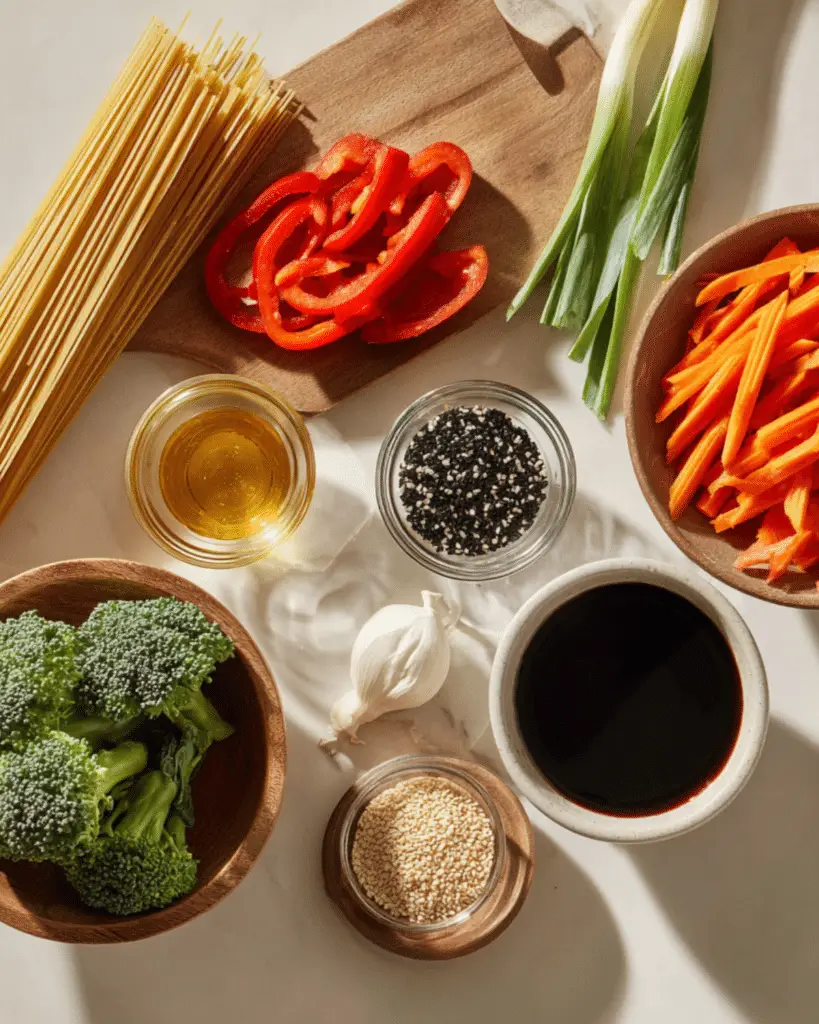
Let’s start with the basics. Below is a table of the core ingredients along with smart substitutions so you can adapt based on what you have on hand or your dietary preferences:
| Ingredient | Purpose | Substitutes or Notes |
|---|---|---|
| Chickpea Spaghetti | High-protein noodle base | Rice noodles, soba, whole wheat spaghetti |
| Garlic (minced) | Key flavor component | Garlic paste, shallots (in a pinch) |
| Toasted Sesame Oil | Deep, nutty aroma | Regular sesame oil (less flavorful) |
| Soy Sauce (low sodium) | Salty, umami balance | Tamari (gluten-free), coconut aminos |
| Hoisin Sauce | Sweet & savory richness | Oyster sauce (non-vegan), miso + sweetener |
| Coconut Sugar | Balances salty and spicy | Brown sugar or maple syrup |
| Chili-Garlic Sauce | Adds heat and depth | Sriracha, gochujang, or red pepper flakes |
| Bell Pepper, Carrot | Crunch, color, nutrition | Snow peas, zucchini, baby corn |
| Broccoli | Hearty veggie base | Kale, bok choy, or green beans |
| Scallions, Sesame Seeds | Optional garnish | Chopped peanuts, cilantro, or lime zest |
These ingredients are easily accessible and highly adaptable. Learn more about how to enhance basic pantry meals with our creamy gnocchi soup recipe for cozy comfort food options.
Step-by-Step Cooking Instructions
Here’s a quick breakdown of the process:
- Boil Your Noodles
Bring a large pot of salted water to a boil. Cook your chickpea noodles according to the package (usually 7–10 minutes). Drain and rinse with cold water to stop the cooking. - Whisk the Sauce
In a small bowl, whisk together soy sauce, hoisin, coconut sugar, chili-garlic sauce, minced garlic, and toasted sesame oil until smooth. - Sauté the Veggies
Heat a bit of neutral oil in a wok or skillet over medium-high. Add sliced carrots and bell peppers. Stir-fry for about 3 minutes. Toss in broccoli and cook another 2 minutes until crisp-tender. - Combine Everything
Add the drained noodles to the skillet. Pour in the sauce and gently toss to coat everything evenly. Cook for another 2–3 minutes until the sauce thickens slightly and everything is heated through. - Garnish and Serve
Top with scallions and toasted sesame seeds. Serve hot or cold.
This quick, one-pan method makes cleanup a breeze and flavors shine. Don’t miss our slow cooker beef ramen if you’re craving another noodle favorite.
Common Mistakes to Avoid When Cooking Noodles
Even a simple dish like garlic sesame noodles can go sideways if you’re not careful. Here are common pitfalls and how to avoid them:
- Overcooking the Noodles: This makes the final dish mushy. Stick to al dente and rinse with cold water.
- Using Raw Garlic: While fresh garlic is key, it should be sautéed lightly or incorporated into the sauce to mellow the bite.
- Unbalanced Sauce: Always taste and adjust. Too salty? Add sugar. Too sweet? A splash more soy or vinegar helps.
- Skipping the Garnish: Don’t underestimate the impact of scallions, toasted sesame, or a squeeze of lime.
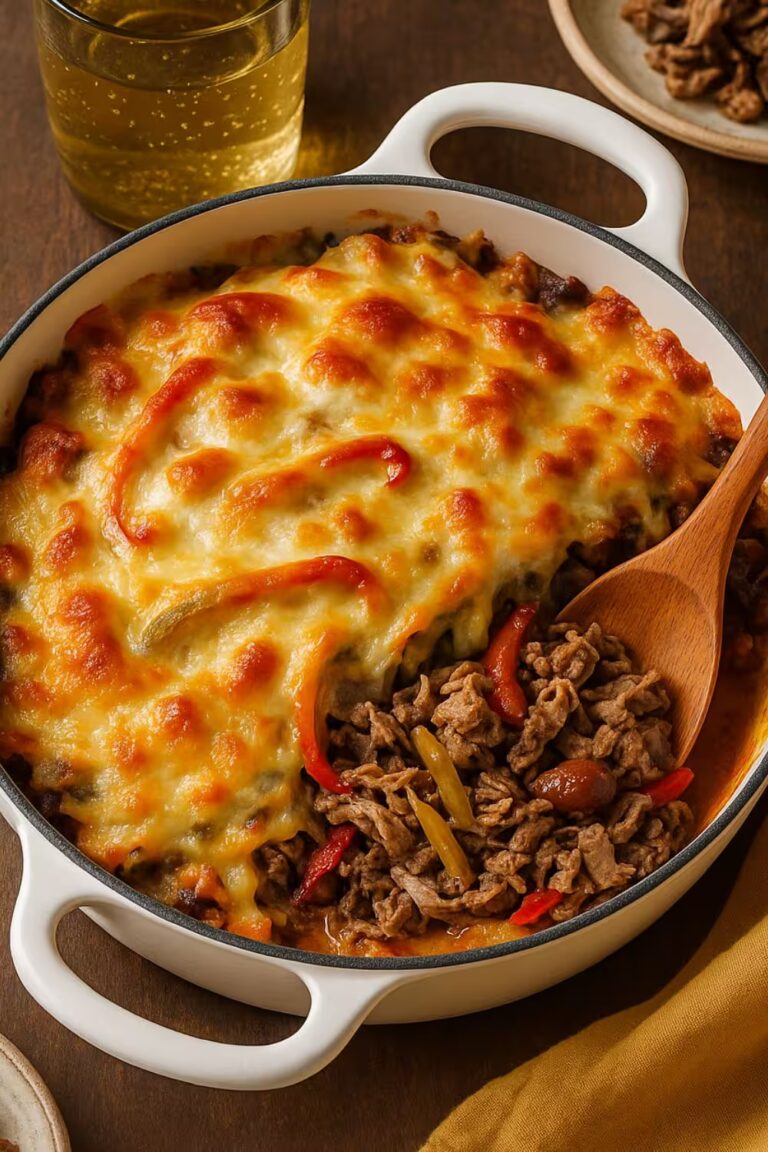
Craving something with a touch of spice and creaminess? Check out our crockpot spicy queso beef chili for a bold alternative to noodles.
Customizing Garlic Sesame Noodles for Every Diet
Making it Gluten-Free, Low-Sodium, or Keto-Friendly
One of the best things about garlic sesame noodles is how flexible the recipe is. If you’re eating gluten-free, simply swap soy sauce for tamari or coconut aminos and use rice noodles or certified gluten-free soba. Prefer something low in sodium? Choose low-sodium soy sauce and reduce or skip hoisin entirely.
Going keto? While traditional noodles won’t cut it, zucchini noodles or shirataki noodles are great alternatives. They soak up sauce well and keep carbs extremely low. These swaps make it easy to tailor the dish without losing that signature garlicky-sesame flavor. Looking for inspiration? Try our zucchini-stuffed pumpkins—a fun low-carb fall recipe.
Protein Add-Ins: Tofu, Tempeh, Chicken, or Edamame
To turn garlic sesame noodles into a protein-packed main dish, try adding:
- Tofu: Pan-fried until crispy and tossed in sauce.
- Tempeh: Nutty and firm, it adds texture and probiotics.
- Grilled Chicken: For a non-vegan boost of lean protein.
- Edamame: Quick, high in protein, and keeps the dish plant-based.
Whatever you choose, be sure to season lightly or toss in a bit of the noodle sauce before combining to ensure consistent flavor.
Vegetable Variations to Keep It Fresh & Exciting
Tired of broccoli and bell peppers? Here are veggie swaps that still taste amazing with the garlic sesame sauce:
- Snap peas
- Mushrooms
- Baby spinach (stir in at the end)
- Roasted sweet potato cubes
- Cabbage or bok choy
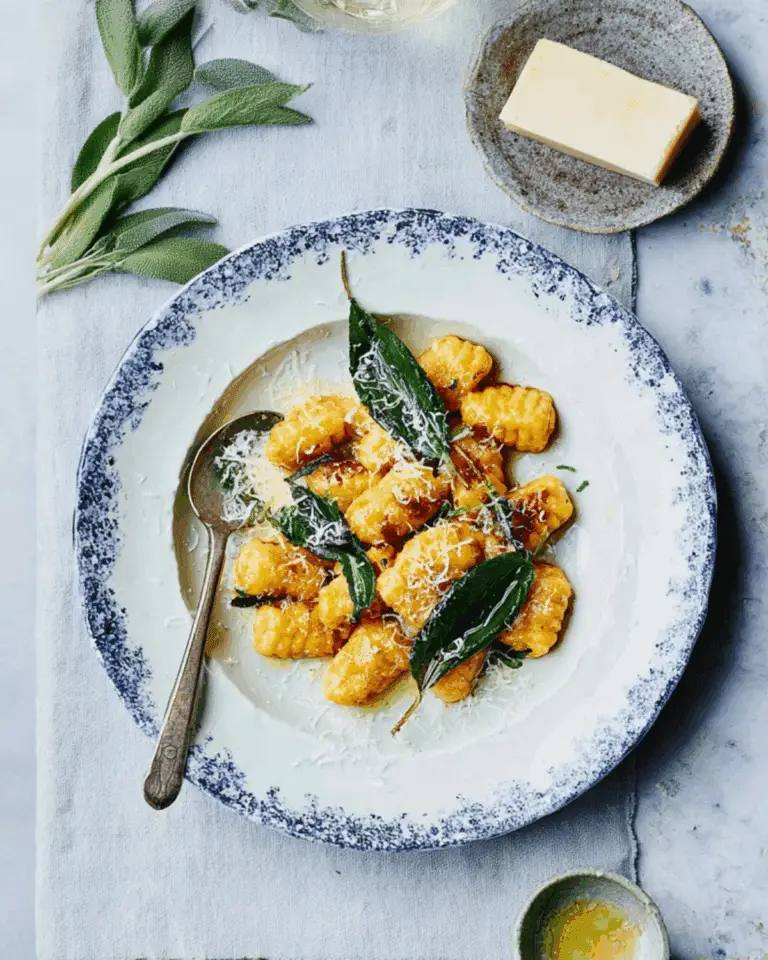
Rotating vegetables keeps your meals interesting and ensures you’re getting a range of nutrients. Don’t miss our squash gnocchi with sage butter for another way to elevate everyday veggies.
Expert Tips for Perfect Flavor & Texture
The Best Noodles for This Recipe
Chickpea noodles are the healthiest option, offering extra protein and fiber. However, the sauce also works beautifully with:
- Udon noodles (thick and chewy)
- Rice noodles (gluten-free and light)
- Soba noodles (nutty flavor, quick cooking)
Just be sure not to overcook, and always rinse briefly to avoid clumping.
Mastering the Sauce: Ratios & Adjustments
Here’s a golden ratio to remember:
- 4 parts soy sauce
- 2 parts hoisin
- 2 parts sesame oil
- 1 part chili garlic sauce
- Add sugar to taste
Want more heat? Add sriracha. Need tang? A dash of rice vinegar does the trick. Always taste before serving and remember—sauces intensify as they cook down.
Garnish Like a Pro: Toasted Sesame, Scallions & More
Garnishes elevate garlic sesame noodles from good to unforgettable. Top with:
- Toasted sesame seeds
- Thinly sliced scallions
- Lime wedges
- Crushed peanuts
- Chili flakes
These add crunch, color, and contrast that pop on the plate and in your mouth.
How to Serve, Store, and Reheat Garlic Sesame Noodles
Serving Suggestions & Pairing Ideas
Garlic sesame noodles are filling enough to stand alone but pair wonderfully with:
- Cucumber salad or pickled veggies
- Steamed dumplings
- Miso soup or egg drop soup
- Kimchi or seaweed salad
They also make a great cold noodle salad—just chill and serve with extra sesame oil and lime.
How Long They Last in the Fridge
Store leftovers in an airtight container in the fridge for up to 4 days. They taste even better the next day as the sauce continues to soak into the noodles.
The Best Way to Reheat Without Losing Texture
Reheat in a skillet over medium heat with a splash of water or soy sauce to loosen. Avoid the microwave when possible—it softens the noodles too much. If you must, heat in short bursts and stir frequently.
Frequently Asked Questions (FAQ)
Can I use spaghetti instead of Asian noodles?
Yes! In fact, the original recipe uses chickpea spaghetti. You can also use regular pasta, though the sauce may cling differently.
How do I prevent noodles from getting mushy?
Don’t overcook. Rinse them with cold water right after draining to stop the cooking process immediately.
What’s the best oil for sesame noodles?
Toasted sesame oil is ideal. It adds bold flavor. Avoid plain sesame oil—it’s less aromatic and doesn’t offer the same richness.
Can garlic sesame noodles be served cold?
Absolutely. They’re perfect as a chilled noodle salad for lunch or picnics. Just toss with a little extra oil before serving cold.
Are these noodles good for meal prep?
Yes! Garlic sesame noodles store well and taste even better after the flavors have had time to mingle. Keep toppings separate and garnish just before eating.
Conclusion: Why Garlic Sesame Noodles Deserve a Spot on Your Weekly Menu
In under 30 minutes and with just a few pantry staples, garlic sesame noodles offer a powerful blend of flavor, comfort, and health. They’re endlessly adaptable, budget-friendly, and meal-prep approved. From a quick solo dinner to a shareable party side, this dish is a must-try for home cooks of any skill level.
Looking for inspiration? Try our Italian sausage chestnut pasta for another cozy, flavor-packed noodle night.
PrintGarlic Sesame Noodles

Quick, healthy, and packed with umami flavor, these garlic sesame noodles are made in just 20 minutes with pantry staples and fresh vegetables. Perfect for vegan, gluten-free, or meal prep-friendly dinners.
- Prep Time: 10 minutes
- Cook Time: 10 minutes
- Total Time: 20 minutes
- Yield: 4 servings
- Category: Main Course
- Method: Stir-Fry
- Cuisine: Asian
- Diet: Vegan
Ingredients
- 1 (8 oz) package chickpea spaghetti
- 2 tsp vegetable oil
- 1 red bell pepper, thinly sliced
- 1 carrot, thinly sliced or julienned
- 1 head broccoli, cut into florets
- 2 green onions (optional, for garnish)
- 1 tbsp toasted sesame seeds (optional, for garnish)
- 1/4 cup low-sodium soy sauce
- 4 cloves garlic, minced
- 2 tbsp coconut sugar (or brown sugar)
- 1 tbsp chili-garlic sauce (or sriracha)
- 1 tbsp hoisin sauce
- 1 tbsp toasted sesame oil
Instructions
- Boil a large pot of water. Cook chickpea spaghetti according to package directions. Drain and rinse with cold water.
- In a small bowl, whisk together soy sauce, garlic, coconut sugar, chili-garlic sauce, hoisin sauce, and sesame oil.
- In a large skillet or wok, heat vegetable oil over medium-high. Add bell pepper and carrot, stir-fry for 3 minutes.
- Add broccoli and cook for another 2 minutes until bright green and slightly tender.
- Add the cooked noodles and sauce to the skillet. Gently toss to coat everything evenly.
- Cook for 2–3 more minutes until heated through and sauce thickens slightly.
- Serve hot, garnished with scallions and sesame seeds if desired.
Notes
- Use rice noodles or soba for gluten-free options.
- Add tofu, tempeh, or grilled chicken for extra protein.
- Customize veggies with mushrooms, cabbage, or spinach.
- Chill and serve cold as a noodle salad.
- Reheat in skillet with a splash of water for best texture.
Nutrition
- Serving Size: 1/4 of recipe
- Calories: 405 kcal
- Sugar: 12 g
- Sodium: not specified
- Fat: 13 g
- Saturated Fat: 2 g
- Unsaturated Fat: 9 g
- Trans Fat: 0 g
- Carbohydrates: 58 g
- Fiber: 10 g
- Protein: 17 g
- Cholesterol: 0 mg