Apricot Mousse is a light and creamy dessert that highlights the natural sweetness and delicate flavor of apricots. This airy dessert is known for its smooth texture and refreshing taste, making it an excellent choice when you want something sweet without being too heavy. Because it combines fruit puree with whipped ingredients, the result is a fluffy mousse that feels luxurious while still being simple to prepare.
Many people love Apricot Mousse because it offers a beautiful balance of flavors. Apricots have a naturally sweet yet slightly tangy taste that pairs perfectly with creamy ingredients. When blended and folded into whipped cream, the fruit transforms into a dessert that is both rich and refreshing.
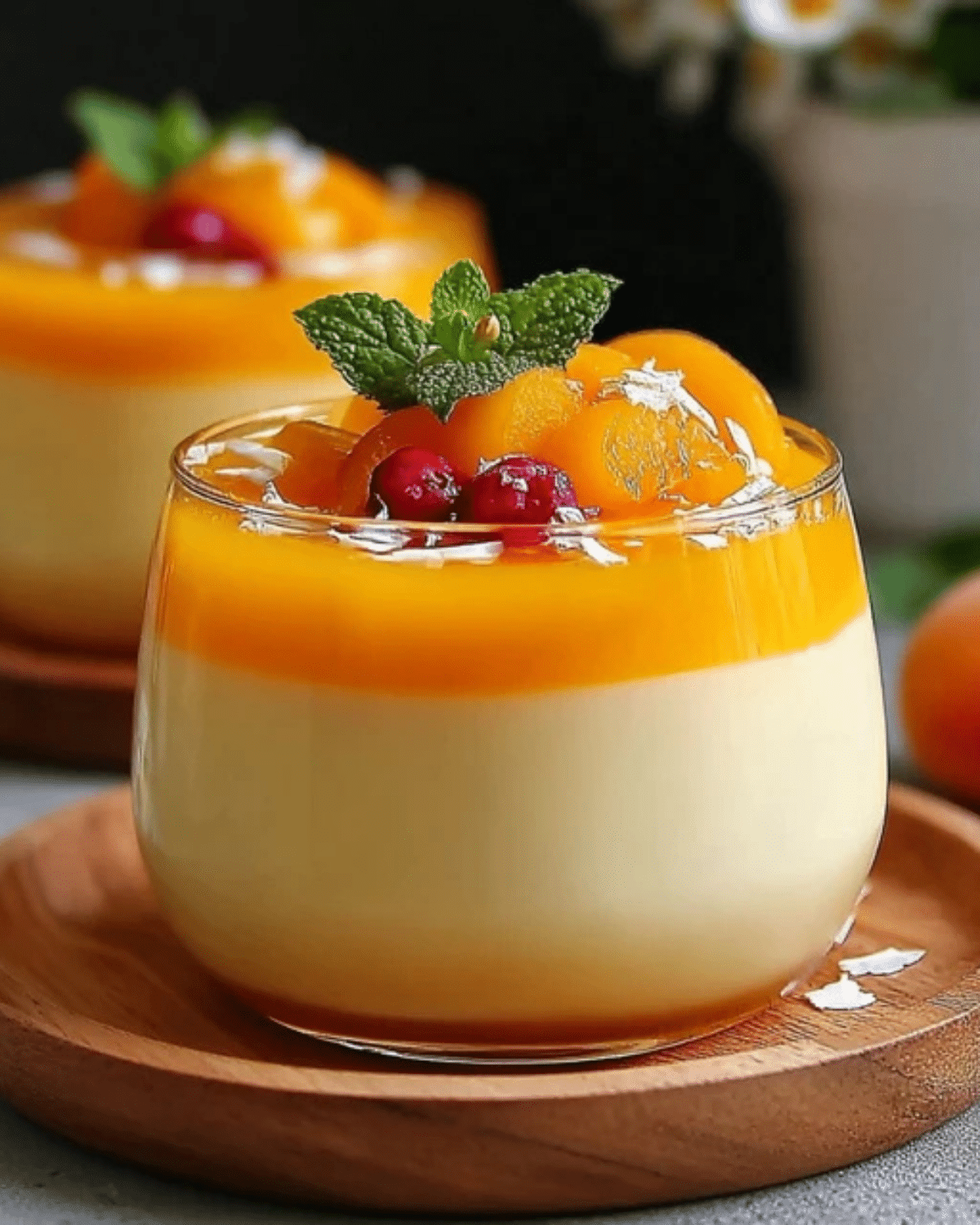
Another advantage of this dessert is its elegant presentation. Apricot Mousse can be served in individual glasses, dessert bowls, or small jars. The vibrant orange color of apricots creates an attractive look, especially when topped with whipped cream or fresh fruit slices.
Apricot Mousse is also a convenient dessert for entertaining guests. Since it needs to chill before serving, it can be prepared ahead of time. This makes it ideal for dinner parties, celebrations, or special family meals.
In this complete guide, you will learn everything about Apricot Mousse, including its ingredients, preparation method, helpful tips, serving ideas, variations, storage advice, and frequently asked questions.
JUMP TO
Table of Contents
What Is Apricot Mousse
Apricot Mousse is a fruit-based dessert made by combining apricot puree with whipped cream or similar ingredients to create a light and airy texture. The word “mousse” comes from French and refers to dishes that are soft, foamy, and fluffy.
The Origins of Mousse Desserts
Mousse desserts have been popular in European cuisine for centuries. Originally, mousse referred to savory dishes, but over time sweet versions became more common. These desserts gained popularity because they offered a light alternative to heavier pastries and cakes.
Today, fruit mousses are widely enjoyed because they combine the freshness of fruit with a smooth and creamy texture.
Why Apricots Are Perfect for Mousse
Apricots are an excellent fruit choice for mousse because they have a unique balance of sweetness and mild acidity. Their soft flesh blends easily into a smooth puree, which is ideal for mousse recipes.
The natural color of apricots also adds visual appeal. When turned into mousse, the dessert has a warm golden-orange color that looks inviting and appetizing.
Flavor Profile of Apricot Mousse
Apricot Mousse offers a gentle sweetness that is not overpowering. The fruit provides a slightly tangy flavor that balances the richness of the cream.
The combination creates a dessert that tastes refreshing and satisfying at the same time. Because of this balance, Apricot Mousse is often enjoyed after a meal when people want something sweet but not overly heavy.
Texture of a Perfect Mousse
The texture of mousse should be light, airy, and smooth. When prepared properly, it should hold its shape while still feeling soft and delicate.
Achieving the perfect mousse texture requires gently folding whipped ingredients into the fruit puree. This step helps trap air inside the mixture, giving it the fluffy consistency that mousse is known for.
Ingredients for Apricot Mousse
Apricot Mousse uses simple ingredients that work together to create a creamy and flavorful dessert.

Main Ingredients
| Ingredient | Purpose |
|---|---|
| Fresh or canned apricots | Provides fruit flavor |
| Sugar | Enhances sweetness |
| Heavy cream | Creates light texture |
| Gelatin | Helps mousse set |
| Vanilla extract | Adds depth of flavor |
These ingredients combine to form a smooth dessert that is both creamy and refreshing.
Choosing the Best Apricots
Fresh apricots are the best option for making Apricot Mousse because they offer the brightest flavor. Look for apricots that are slightly soft and fully ripe.
Apricots that are too firm may taste slightly tart, while overly soft fruit may lose texture during cooking.
If fresh apricots are not available, canned apricots can also be used. In this case, it is important to drain the syrup before blending the fruit.
The Role of Gelatin in Mousse
Gelatin helps the mousse maintain its shape after chilling. Without gelatin, the mousse might be too soft to hold its form.
When dissolved properly, gelatin blends into the mixture and firms slightly as the dessert chills in the refrigerator.
Cream for Airy Texture
Heavy cream plays an important role in creating the light texture of Apricot Mousse. When whipped, cream traps air and expands in volume.
Folding whipped cream into the apricot puree creates the fluffy consistency that mousse desserts are known for.
Optional Flavor Enhancements
Some additional ingredients can enhance the flavor of Apricot Mousse.
Popular options include:
Lemon zest
Honey
Vanilla bean
Greek yogurt
These additions can add complexity and depth to the dessert.
How to Make Apricot Mousse
Preparing Apricot Mousse is a straightforward process that involves blending fruit and combining it with whipped cream.
Step 1: Prepare the Apricots
Wash fresh apricots thoroughly and remove the pits.
Cut the fruit into small pieces.
Place the apricot pieces in a saucepan with sugar and cook over low heat until soft.
Step 2: Blend the Apricots
Once softened, transfer the apricots to a blender or food processor.
Blend until the mixture becomes smooth.
Allow the puree to cool before continuing.
Step 3: Dissolve the Gelatin
In a small bowl, combine gelatin with warm water.
Stir until the gelatin completely dissolves.
Step 4: Whip the Cream
Pour heavy cream into a mixing bowl.
Using a whisk or mixer, whip the cream until soft peaks form.
This step creates the airy structure needed for mousse.
Step 5: Combine the Ingredients
Add the dissolved gelatin and vanilla extract to the apricot puree.
Mix until fully incorporated.
Gently fold the whipped cream into the mixture using a spatula.
Continue folding until the mousse becomes smooth and evenly combined.
Step 6: Chill the Mousse
Spoon the mousse into individual serving glasses or bowls.
Place them in the refrigerator and chill for at least two hours.
During this time, the gelatin helps the mousse firm slightly while maintaining a soft texture.
Step 7: Garnish and Serve
Before serving, decorate the mousse with toppings such as:
Fresh apricot slices
Whipped cream
Mint leaves
Fruit pieces
These garnishes enhance both the appearance and flavor of the dessert.
Tips for Perfect Apricot Mousse
Use Ripe Fruit
Ripe apricots provide the best flavor and natural sweetness.
Blend Until Smooth
A smooth puree helps create a silky mousse texture.
Fold the Cream Gently
Overmixing can remove air from the whipped cream and make the mousse dense.
Chill Long Enough
Allowing the mousse to chill fully ensures it sets properly.
Serving Ideas for Apricot Mousse
Apricot Mousse can be served in many creative ways.
Popular serving ideas include:
Elegant dessert glasses
Small jars
Layered parfaits
Mini dessert cups
Decorative bowls
These serving options make the dessert suitable for both casual and formal occasions.
Delicious Variations to Try
This recipe can easily be customized.
Apricot Yogurt Mousse
Add yogurt to create a slightly tangy flavor and lighter texture.
Apricot Vanilla Mousse
Use vanilla bean for a deeper aroma.
Apricot Berry Mousse
Blend apricots with strawberries or raspberries.
Chocolate Apricot Mousse
Add melted chocolate for a richer dessert variation.
Health Benefits of Apricot Mousse
Apricots provide several important nutrients.
They contain:
Vitamin A
Vitamin C
Dietary fiber
Antioxidants
These nutrients support healthy skin, vision, and immune function.
While mousse also contains cream and sugar, the inclusion of fruit adds nutritional value to the dessert.
Storage Tips for Apricot Mousse
Proper storage helps maintain freshness and texture.
Store Apricot Mousse in the refrigerator in covered containers.
It can remain fresh for up to three days.
Freezing mousse is not recommended because it may change the texture once thawed.
Frequently Asked Questions
Can canned apricots be used?
Yes. Simply drain the syrup before blending the fruit.
Can mousse be made without gelatin?
Yes. Some recipes rely only on whipped cream, but gelatin helps maintain structure.
How long should mousse chill?
At least two hours, although longer chilling can improve texture.
What toppings work best?
Whipped cream, fruit slices, or mint leaves are popular choices.
Conclusion
Apricot Mousse is a light and refreshing dessert that beautifully showcases the natural flavor of apricots. Its smooth texture and delicate sweetness make it an excellent choice for both everyday treats and elegant gatherings.
Because it is simple to prepare and can be made ahead of time, Apricot Mousse is a convenient dessert for entertaining guests or enjoying with family. With its vibrant color and creamy consistency, this dessert is sure to impress anyone who tastes it.
PrintApricot Mousse – Best Easy Creamy Fruit Dessert

Apricot Mousse is a light and creamy fruit dessert made with apricot puree and whipped cream. This refreshing mousse is smooth, fluffy, and perfect for warm weather desserts.
- Prep Time: 20 minutes
- Cook Time: 10 minutes
- Total Time: 2 hours 30 minutes
- Yield: 4 servings
Ingredients
- 2 cups fresh apricots, pitted and chopped
- 1/4 cup sugar
- 1 cup heavy cream
- 1 teaspoon vanilla extract
- 1 teaspoon gelatin
- 2 tablespoons warm water
Instructions
- Wash, pit, and chop the apricots.
- Cook the apricots with sugar in a small saucepan until soft.
- Blend the apricots until smooth and allow to cool.
- Dissolve gelatin in warm water.
- Whip the heavy cream until soft peaks form.
- Mix the gelatin and vanilla into the apricot puree.
- Gently fold the whipped cream into the puree.
- Divide the mousse into serving glasses.
- Refrigerate for at least 2 hours before serving.
Notes
- Use ripe apricots for the best flavor.
- Fold whipped cream gently to maintain airy texture.
- Allow sufficient chilling time for the mousse to set.
- Decorate with fresh fruit or whipped cream before serving.
Nutrition
- Serving Size: 1 serving
- Calories: 210 kcal
- Sugar: 16 g
- Sodium: 30 mg
- Fat: 14 g
- Saturated Fat: 8 g
- Unsaturated Fat: 5 g
- Trans Fat: 0 g
- Carbohydrates: 20 g
- Fiber: 2 g
- Protein: 3 g
- Cholesterol: 45 mg