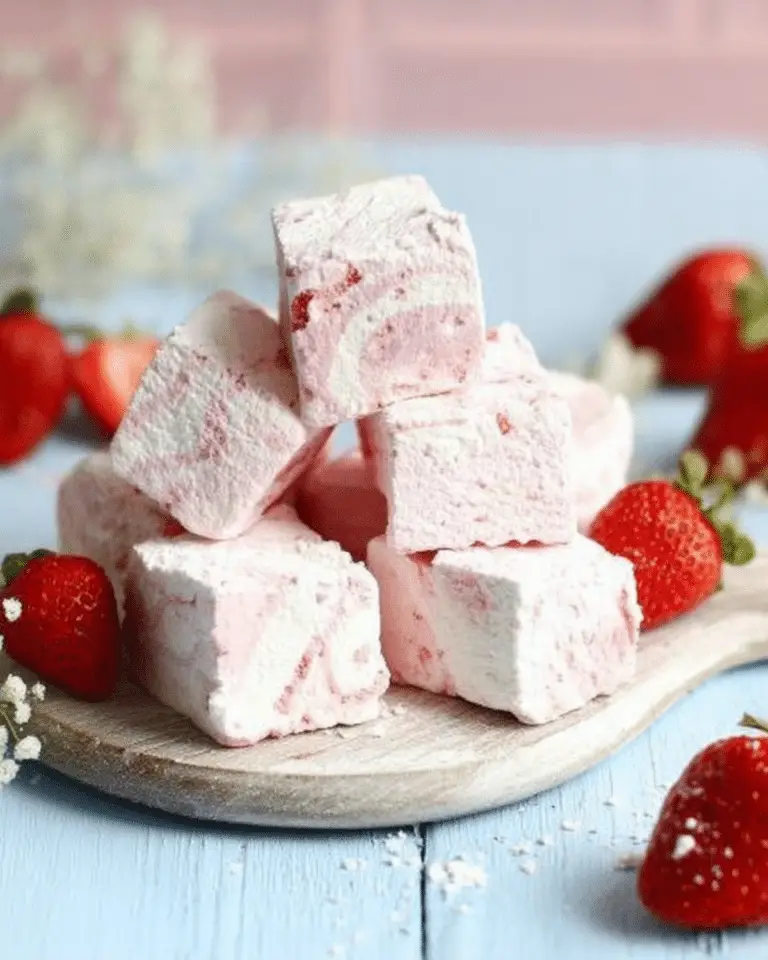

Apricot Danish is a classic bakery pastry known for its buttery layers, golden crust, and sweet fruit filling. This delicious pastry combines soft, laminated dough with a flavorful apricot center, creating a perfect balance between rich pastry and bright fruit flavor. Apricot Danish pastries are often enjoyed as a breakfast treat, brunch pastry, or afternoon snack with coffee or tea.
Many people love Apricot Danish because of its unique texture. The pastry layers are light, crisp, and flaky, while the filling in the center remains smooth and slightly tangy. The natural sweetness of apricots complements the buttery dough perfectly, creating a pastry that feels indulgent but still refreshing.
Another reason Apricot Danish pastries are so popular is their beautiful appearance. These pastries often have an elegant folded or twisted shape with the fruit filling placed in the center. When baked, the dough becomes golden brown while the apricot filling develops a glossy surface that looks both inviting and delicious.
Although Apricot Danish pastries are commonly found in bakeries, they can also be made at home with patience and simple ingredients. With the right technique, home bakers can create pastries that taste just as good as those from a professional bakery.
In this complete guide, you will learn everything about Apricot Danish pastries, including their ingredients, preparation process, baking tips, serving ideas, variations, storage methods, and frequently asked questions.
JUMP TO
Table of Contents
What Is Apricot Danish
Apricot Danish is a pastry made from laminated dough filled with sweet apricot preserves or apricot compote. Laminated dough is created by folding butter into layers of dough, which produces the flaky texture that Danish pastries are known for.
The Origins of Danish Pastry
Despite its name, Danish pastry has a fascinating history influenced by both Danish and Austrian baking traditions. In the nineteenth century, Austrian bakers introduced laminated dough techniques to Denmark. Danish bakers later adapted the method and created pastries that were lighter, sweeter, and often filled with fruit or cream.
Over time, Danish pastries became popular throughout Europe and North America. Today, they are commonly found in bakeries and coffee shops around the world.
Why Apricots Are Perfect for Danish Pastries
Apricots are one of the most popular fruits used in Danish pastries. Their natural sweetness and gentle tartness help balance the richness of the buttery dough.
When baked, apricot preserves soften and become slightly caramelized, creating a flavorful filling that complements the pastry layers.
Apricots also provide a vibrant color that makes the pastries visually appealing.
Texture and Flavor Profile
Apricot Danish pastries offer a combination of textures and flavors.
The outer layers of the pastry are crisp and flaky, while the interior remains tender and soft. The apricot filling provides a smooth and fruity contrast to the buttery dough.
Together, these elements create a pastry that is both rich and refreshing.
When to Serve Apricot Danish
Apricot Danish pastries are suitable for many occasions.
They are commonly served at:
Breakfast gatherings
Weekend brunches
Afternoon tea
Holiday breakfasts
Special celebrations
Because of their elegant appearance and delicious flavor, they are also popular for entertaining guests.
Ingredients for Apricot Danish
Apricot Danish pastries require a combination of dough ingredients and filling ingredients.

Main Ingredients
| Ingredient | Purpose |
|---|---|
| All-purpose flour | Forms the structure of the dough |
| Butter | Creates flaky pastry layers |
| Milk | Adds moisture to the dough |
| Sugar | Sweetens the pastry |
| Yeast | Helps the dough rise |
| Eggs | Provide richness and structure |
| Apricot preserves | Creates the fruit filling |
| Vanilla extract | Enhances flavor |
These ingredients work together to produce a soft dough and a flavorful filling.
Choosing the Best Apricot Filling
Apricot preserves are the most common filling for Danish pastries because they have a smooth texture and concentrated fruit flavor.
Some bakers prefer to use homemade apricot compote made from fresh apricots and sugar. This option can provide a fresher taste and slightly chunkier texture.
Butter for Laminated Dough
Butter is the most important ingredient for creating flaky pastry layers. When the dough is folded with butter multiple times, thin layers form inside the dough.
During baking, the butter melts and releases steam, which separates the layers and creates the signature flaky texture.
Using high-quality butter can significantly improve the flavor of the pastry.
Optional Glaze for Finishing
Many Apricot Danish pastries are finished with a light glaze made from powdered sugar and milk.
This glaze adds a subtle sweetness and gives the pastries a shiny finish that enhances their appearance.
Some recipes also add sliced almonds or powdered sugar for decoration.
How to Make Apricot Danish
Making Apricot Danish pastries involves several steps, including preparing the dough, laminating the butter layers, shaping the pastries, and baking them.
Step 1: Prepare the Dough
Begin by combining warm milk, sugar, and yeast in a mixing bowl.
Allow the mixture to rest for several minutes until the yeast becomes active and foamy.
Add flour, eggs, and a small amount of butter to form a soft dough.
Step 2: Knead the Dough
Transfer the dough to a floured surface and knead it until it becomes smooth and elastic.
Place the dough in a bowl, cover it, and allow it to rise until it doubles in size.
Step 3: Add Butter Layers
Roll the dough into a large rectangle.
Place cold butter inside the dough and fold it several times.
This folding process is called laminating and creates the thin layers that produce a flaky pastry.
Step 4: Roll and Cut the Dough
After laminating, roll the dough into another large rectangle.
Cut the dough into squares or rectangles depending on the desired pastry shape.
Step 5: Add the Apricot Filling
Place a small spoonful of apricot preserves in the center of each dough piece.
Avoid adding too much filling, as it may spill during baking.
Step 6: Shape the Pastries
Fold the corners or edges of the dough to create decorative shapes.
Traditional Danish pastries often have a pinwheel or envelope-style design.
Step 7: Bake the Pastries
Place the shaped pastries on a baking sheet lined with parchment paper.
Bake in a preheated oven at 375°F (190°C) for about 15 to 20 minutes.
The pastries should become golden brown and flaky.
Step 8: Add the Glaze
After the pastries cool slightly, drizzle them with a powdered sugar glaze if desired.
Tips for Perfect Apricot Danish
Use Cold Butter
Cold butter helps create distinct layers in laminated dough.
Do Not Overfill the Pastry
Too much filling can cause the apricot preserves to overflow during baking.
Allow Enough Rising Time
Yeast dough requires sufficient time to rise in order to produce a soft texture.
Roll the Dough Evenly
Even rolling ensures the pastries bake evenly and develop consistent layers.
Serving Ideas for Apricot Danish
Apricot Danish pastries can be served in many different ways.
Popular serving ideas include:
With hot coffee
With tea
With fresh fruit
With yogurt
As part of a brunch buffet
These pastries are especially popular for weekend breakfasts and holiday brunches.
Delicious Variations to Try
Apricot Danish pastries can easily be customized with different flavors and fillings.
Apricot Cream Cheese Danish
Add a layer of sweet cream cheese beneath the apricot filling for a richer pastry.
Almond Apricot Danish
Top the pastries with sliced almonds to add a nutty crunch.
Mixed Fruit Danish
Combine apricot filling with peaches or berries for a colorful variation.
Apricot Honey Danish
Drizzle honey over the pastries after baking for extra sweetness.
Apricot Nut Danish
Add chopped walnuts or almonds to the filling for additional texture.
Storage Tips for Apricot Danish
Apricot Danish pastries are best enjoyed fresh, but they can be stored for later use.
Store them in an airtight container at room temperature for up to two days.
For longer storage, refrigerate them for up to four days.
To reheat, warm the pastries in the oven for a few minutes to restore their crisp texture.
They can also be frozen and reheated later.
Frequently Asked Questions
Can puff pastry be used instead of Danish dough?
Yes. Puff pastry can be used as a quicker alternative, although the flavor and texture may differ slightly.
Can fresh apricots be used?
Yes. Fresh apricots can be cooked with sugar to create a homemade filling.
Can Danish pastries be made ahead of time?
Yes. The dough can be prepared in advance and refrigerated until ready to bake.
What toppings work best?
Powdered sugar glaze, sliced almonds, or powdered sugar are popular toppings.
Conclusion
Apricot Danish is a classic pastry that combines buttery laminated dough with sweet apricot filling. Its flaky texture, fruity flavor, and elegant appearance make it a favorite for breakfast, brunch, or dessert.
Although making laminated dough requires some patience, the results are well worth the effort. Freshly baked Apricot Danish pastries offer a bakery-quality treat that can be enjoyed with family and friends.
Whether served with coffee in the morning or shared during a special gathering, Apricot Danish pastries are a delicious and memorable addition to any table.
PrintApricot Danish – Easy Homemade Danish Pastry Recipe

Apricot Danish is a flaky pastry filled with sweet apricot preserves. This classic bakery-style pastry is perfect for breakfast, brunch, or a sweet snack.
- Prep Time: 30 minutes
- Cook Time: 20 minutes
- Total Time: 1 hour 30 minutes
- Yield: 8 pastries
Ingredients
- 2 cups all-purpose flour
- 1/2 cup butter
- 1/2 cup warm milk
- 2 tablespoons sugar
- 1 teaspoon yeast
- 1 egg
- 1 teaspoon vanilla extract
- 1/2 cup apricot preserves
Instructions
- Mix warm milk, sugar, and yeast in a bowl.
- Add flour, egg, butter, and vanilla extract to form dough.
- Knead the dough until smooth.
- Allow the dough to rise until doubled in size.
- Roll the dough and fold butter layers to create laminated dough.
- Cut dough into squares.
- Add apricot preserves in the center of each piece.
- Shape the dough around the filling.
- Bake at 375°F for 15–20 minutes until golden.
Notes
- Use cold butter for flaky layers.
- Do not overfill pastries.
- Allow enough rising time.
- Add powdered sugar glaze after baking if desired.
Nutrition
- Serving Size: 1 pastry
- Calories: 260 kcal
- Sugar: 12 g
- Sodium: 110 mg
- Fat: 13 g
- Saturated Fat: 7 g
- Unsaturated Fat: 5 g
- Trans Fat: 0 g
- Carbohydrates: 32 g
- Fiber: 1 g
- Protein: 4 g
- Cholesterol: 45 mg