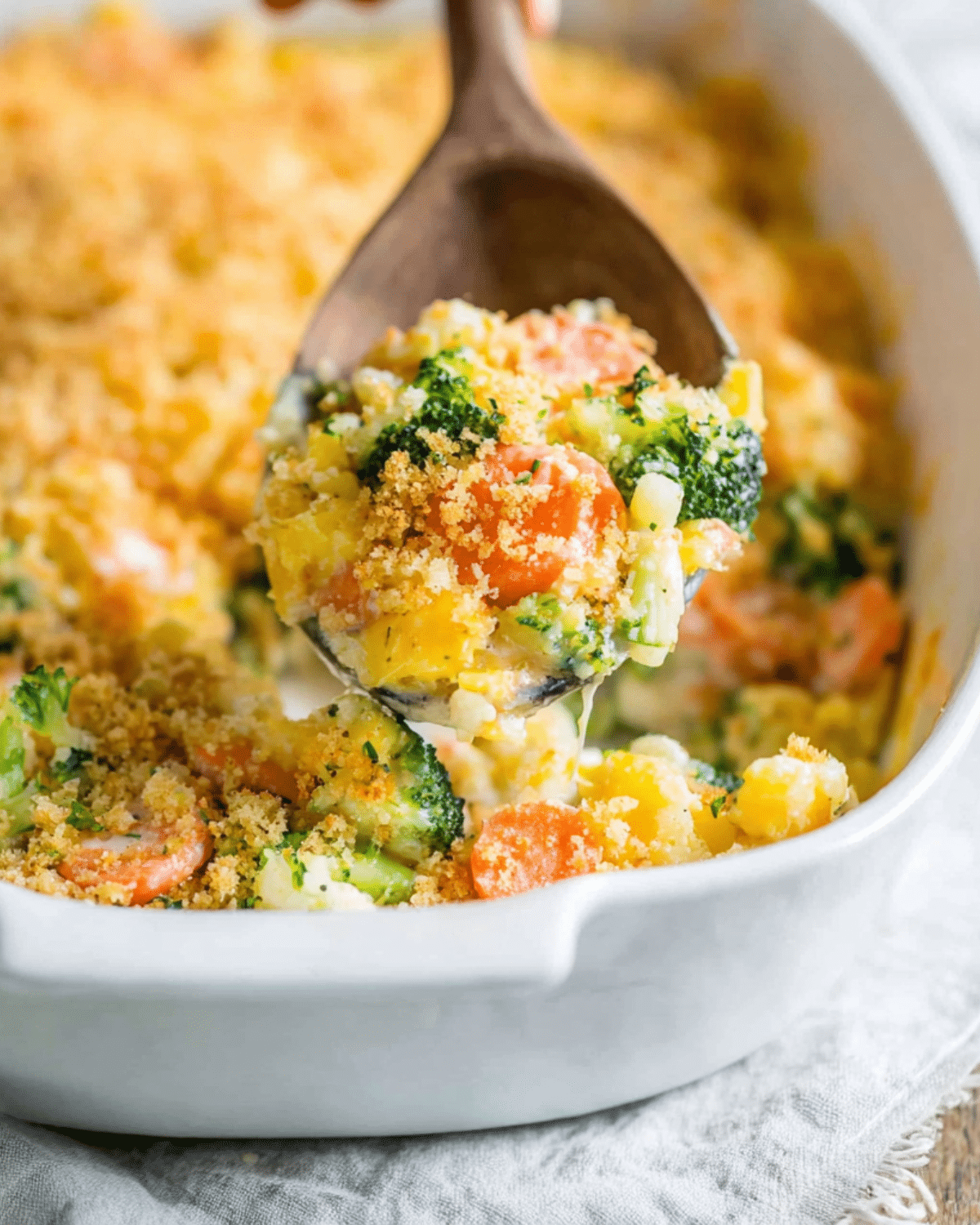
When it comes to hearty, wholesome meals, vegetable casserole stands out as one of the most comforting dishes you can make. Loaded with colorful veggies, a creamy sauce, and a lightly crisp topping, this recipe is the perfect way to turn simple ingredients into a satisfying meal. In this article, you’ll discover what makes a great vegetable casserole, which vegetables work best, and step-by-step tips to bake it to perfection. Whether you’re cooking for family or bringing a dish to a potluck, this casserole promises both nutrition and flavor in every bite.
JUMP TO
Table of Contents
What Is a Vegetable Casserole?
A Versatile Comfort Dish for All Occasions
A vegetable casserole is a baked dish made by layering assorted vegetables—fresh, frozen, or roasted—with a sauce, cheese, and sometimes breadcrumbs or toppings. It’s baked until bubbling hot and golden brown on top. The result is a dish that’s both filling and flexible: you can serve it as a main course, a side dish, or a make-ahead meal. Whether you’re celebrating a holiday or simply craving a warm dinner on a cool night, this casserole delivers comfort in every spoonful.
How Vegetable Casseroles Fit Into Healthy Home Cooking
What makes a vegetable casserole truly special is its balance of flavor and nutrition. You get fiber, vitamins, and antioxidants from the vegetables, along with protein and calcium if you use cheese or milk-based sauces. You can make it lighter by swapping cream for yogurt or plant-based milk. It’s a dish that adapts to nearly any dietary preference—vegetarian, vegan, or gluten-free—without losing its heartwarming appeal.
Why You’ll Love This Easy Vegetable Casserole
Simple Ingredients, Rich Flavors
This casserole doesn’t require any fancy ingredients. Common vegetables like broccoli, cauliflower, carrots, peas, and green beans form the base. Add in cream of mushroom soup or a homemade white sauce, sprinkle some shredded cheddar, and top with breadcrumbs for a golden crust. You’ll be amazed by how such simple ingredients combine to create a flavor-packed dish.
Perfect for Meal Prep, Potlucks, or Weeknight Dinners
One of the best things about this vegetable casserole is its make-ahead convenience. You can assemble it a day before baking or freeze portions for later use. It reheats beautifully, making it ideal for busy weeknights. Plus, it’s a guaranteed crowd-pleaser at potlucks or family gatherings.
Key Ingredients for the Best Vegetable Casserole
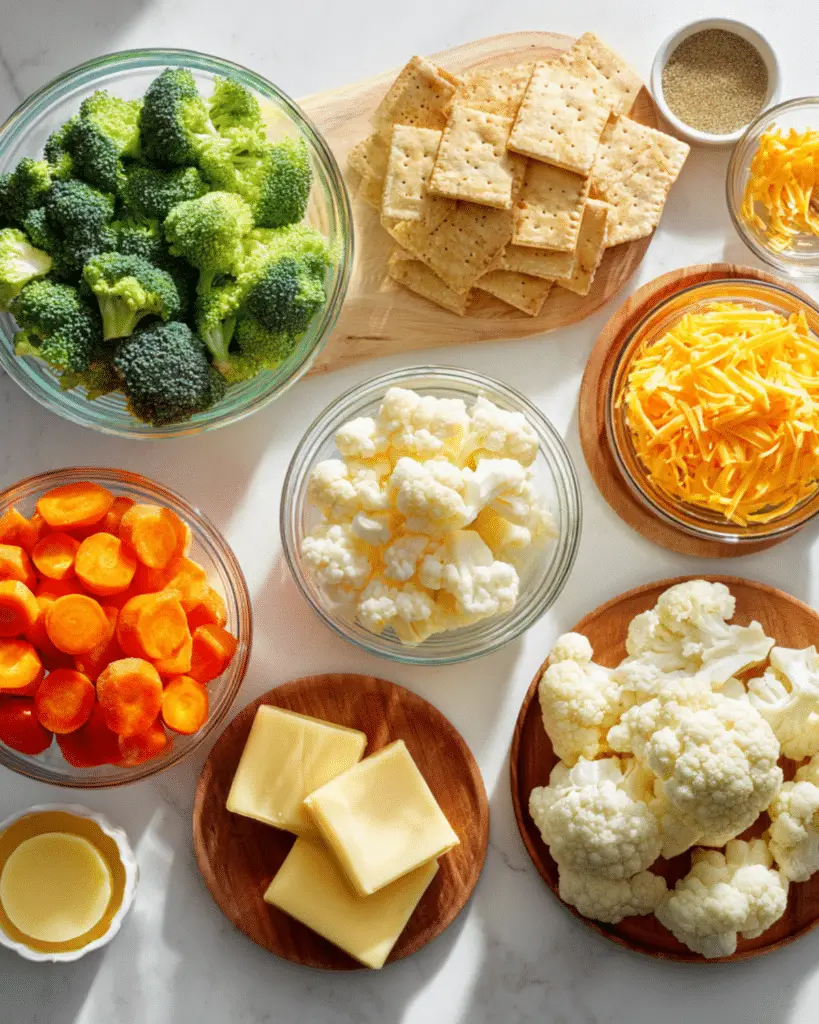
When making a vegetable casserole, the magic lies in selecting the right mix of ingredients. Each component adds flavor, texture, and nutritional value, turning a simple dish into something memorable.
Fresh and Frozen Vegetables That Work Well
You can use a variety of vegetables depending on the season or what you already have at home. Popular choices include broccoli, cauliflower, carrots, green beans, peas, zucchini, and bell peppers. Using both fresh and frozen vegetables works perfectly—just be sure to thaw and drain the frozen ones to avoid excess moisture.
If you prefer heartier textures, roasted vegetables like sweet potatoes or butternut squash add depth to your casserole.
The Secret to Creamy Texture and Golden Crust
The creamy base is the foundation of your casserole. A combination of condensed cream soups (like cream of mushroom or cream of celery) or a homemade white sauce gives that rich, velvety texture. For a healthier alternative, you can use Greek yogurt or plant-based milk blended with flour and butter.
Topping matters, too—a mix of breadcrumbs and shredded cheese creates that irresistible golden crust that defines a well-baked casserole.
Healthy Swaps and Ingredient Variations
If you’re aiming for a vegan vegetable casserole, replace dairy products with almond milk, vegan cheese, or cashew cream. Gluten-free eaters can use almond flour or crushed rice crackers for the topping instead of breadcrumbs. You can even throw in grains like quinoa or brown rice for added protein and fiber.
These simple swaps make your vegetable casserole not just delicious but adaptable for any dietary need.
Step-by-Step Guide: How to Make Vegetable Casserole
Making a vegetable casserole is simple if you follow a few key steps. Here’s how to ensure your casserole turns out creamy, flavorful, and never soggy.
Preparing Vegetables and Sauce
Start by preheating your oven to 375°F (190°C). Lightly grease your baking dish. If you’re using fresh vegetables, blanch them briefly in boiling water—about 2–3 minutes—to soften slightly. Drain well.
For the sauce, combine cream of mushroom soup, sour cream, or yogurt with shredded cheese, milk, and your favorite seasonings (salt, pepper, garlic powder, or onion powder). Whisk until smooth.
| Ingredient | Quantity | Notes |
|---|---|---|
| Mixed vegetables (fresh/frozen) | 6 cups | Drain if frozen |
| Cream soup or white sauce | 1 can or 1½ cups | Use low-sodium if preferred |
| Shredded cheese | 1 cup | Cheddar or mozzarella |
| Breadcrumbs | ½ cup | For crispy topping |
| Milk or yogurt | ½ cup | For creamy texture |
| Seasonings | To taste | Salt, pepper, garlic powder |
Layering and Baking Techniques for Best Texture
Spread half of your vegetables evenly in the dish, pour half of the sauce over them, and sprinkle cheese. Repeat with the remaining vegetables and sauce. Top with breadcrumbs mixed with melted butter for that crunchy finish.
Bake uncovered for 25–30 minutes or until bubbly and golden on top. For a deeper crust, broil for 2–3 minutes at the end.
Tips to Avoid Soggy Casseroles
One common mistake is adding too much liquid. To prevent this:
- Drain vegetables well after boiling or thawing.
- Use thick sauces rather than runny soups.
- Let the casserole rest for 10 minutes after baking to set properly.
Following these steps ensures every slice holds together beautifully.
Nutrition, Storage, and Serving Tips
A vegetable casserole is more than just a delicious comfort food—it’s a nutritious meal that fuels your body with essential vitamins, minerals, and fiber. Whether you’re enjoying it as a side or a main dish, it can easily fit into a balanced diet.
Calorie and Nutrition Breakdown
Here’s a general nutritional estimate for one serving (about one cup):
| Nutrient | Amount per Serving | Notes |
|---|---|---|
| Calories | 210 kcal | Based on full-fat ingredients |
| Protein | 8g | From cheese and milk |
| Fiber | 5g | From mixed vegetables |
| Fat | 10g | Can be reduced by using low-fat cheese |
| Carbohydrates | 18g | Varies with vegetables used |
For a lighter version, reduce cheese, use non-fat yogurt, or add more fiber-rich vegetables like broccoli and cauliflower.
Best Ways to Store and Reheat Leftovers
Allow your vegetable casserole to cool completely before storing. Transfer leftovers into an airtight container and refrigerate for up to 4 days.
To reheat, cover with foil and bake at 350°F (175°C) for 15–20 minutes, or until heated through. You can also microwave smaller portions for convenience, but baking preserves the crispy topping.
If freezing, wrap tightly with plastic wrap and aluminum foil. Label with the date, and store for up to 2 months. Thaw in the fridge overnight before reheating.
Serving Ideas and Side Pairings
Vegetable casseroles pair wonderfully with light sides like green salads, garlic bread, or roasted potatoes. They also complement protein-rich mains like baked chicken or tofu for a complete, balanced meal.
If serving for brunch, pair it with a fruit salad or scrambled eggs for a colorful plate.
FAQ – Common Questions About Vegetable Casserole
Can I Use Frozen Vegetables in This Casserole?
Yes, frozen vegetables work perfectly for this recipe. Just make sure to thaw and drain them well before adding to your dish. Excess water from frozen vegetables can make your casserole too watery.
How Do I Make This Recipe Vegan or Dairy-Free?
To make a vegan vegetable casserole, use non-dairy milk (like almond or oat milk), vegan cheese, and plant-based butter. Replace cream soups with a homemade vegan white sauce using flour, vegetable broth, and olive oil.
How Do I Keep Vegetable Casseroles from Getting Watery?
The key is controlling moisture. Drain veggies completely, avoid overmixing the sauce, and let the casserole cool before cutting. Using a thicker sauce also helps maintain a firm, creamy texture.
Can I Prepare Vegetable Casserole in Advance?
Absolutely. Assemble the casserole, cover tightly, and refrigerate up to 24 hours before baking. This helps flavors meld beautifully. You can also freeze it for future meals—just thaw before baking.
What Are the Best Vegetables for Casserole?
Broccoli, carrots, green beans, zucchini, and cauliflower are classic choices. You can also add corn, spinach, or mushrooms for variety. Mixing colors and textures makes the dish more visually appealing and nutritious.
Conclusion: The Perfect Vegetable Casserole for Every Table
A well-made vegetable casserole brings warmth and comfort to any meal. With its creamy texture, wholesome ingredients, and endless customization options, it’s a recipe you’ll want to make again and again. Whether you’re cooking for your family, hosting guests, or meal-prepping for the week, this dish never fails to impress.
If you’ve been searching for a go-to casserole recipe that’s simple yet satisfying, this is it—nutritious, flavorful, and perfectly golden on top.
PrintVegetable Casserole

A creamy, healthy, and comforting vegetable casserole made with a mix of fresh and frozen vegetables, topped with cheese and breadcrumbs for a golden crust. Perfect for family dinners, potlucks, or meal prep nights.
- Prep Time: 15 minutes
- Cook Time: 30 minutes
- Total Time: 45 minutes
- Yield: 6 servings
- Category: Main Dish
- Method: Baking
- Cuisine: American
- Diet: Vegetarian
Ingredients
- 6 cups mixed vegetables (fresh or frozen, drained if frozen)
- 1 can (10.5 oz) cream of mushroom soup or 1½ cups homemade white sauce
- 1 cup shredded cheddar or mozzarella cheese
- ½ cup breadcrumbs
- ½ cup milk or Greek yogurt
- 1 tablespoon butter (for topping)
- 1 teaspoon garlic powder
- 1 teaspoon salt (or to taste)
- ½ teaspoon black pepper
Instructions
- Preheat oven to 375°F (190°C) and lightly grease a baking dish.
- Blanch fresh vegetables for 2–3 minutes in boiling water, then drain well. If using frozen vegetables, thaw and drain thoroughly.
- In a large bowl, mix cream soup or white sauce with milk, shredded cheese, and seasonings (salt, pepper, garlic powder).
- Layer half of the vegetables in the prepared baking dish, pour half of the sauce over them, and sprinkle cheese. Repeat layers.
- Combine breadcrumbs with melted butter and spread evenly on top of the casserole.
- Bake uncovered for 25–30 minutes, until bubbling and golden brown. For extra crispiness, broil for 2–3 minutes.
- Let the casserole rest for 10 minutes before serving to allow it to set properly.
Notes
- Use both fresh and frozen vegetables for convenience and variety.
- For a vegan version, replace dairy products with plant-based alternatives.
- Drain vegetables thoroughly to prevent a watery casserole.
- Can be prepared a day ahead and refrigerated before baking.
- Freeze leftovers for up to 2 months; reheat in oven for best texture.
Nutrition
- Serving Size: 1 cup
- Calories: 210
- Sugar: 5g
- Sodium: 420mg
- Fat: 10g
- Saturated Fat: 5g
- Unsaturated Fat: 4g
- Trans Fat: 0g
- Carbohydrates: 18g
- Fiber: 5g
- Protein: 8g
- Cholesterol: 20mg