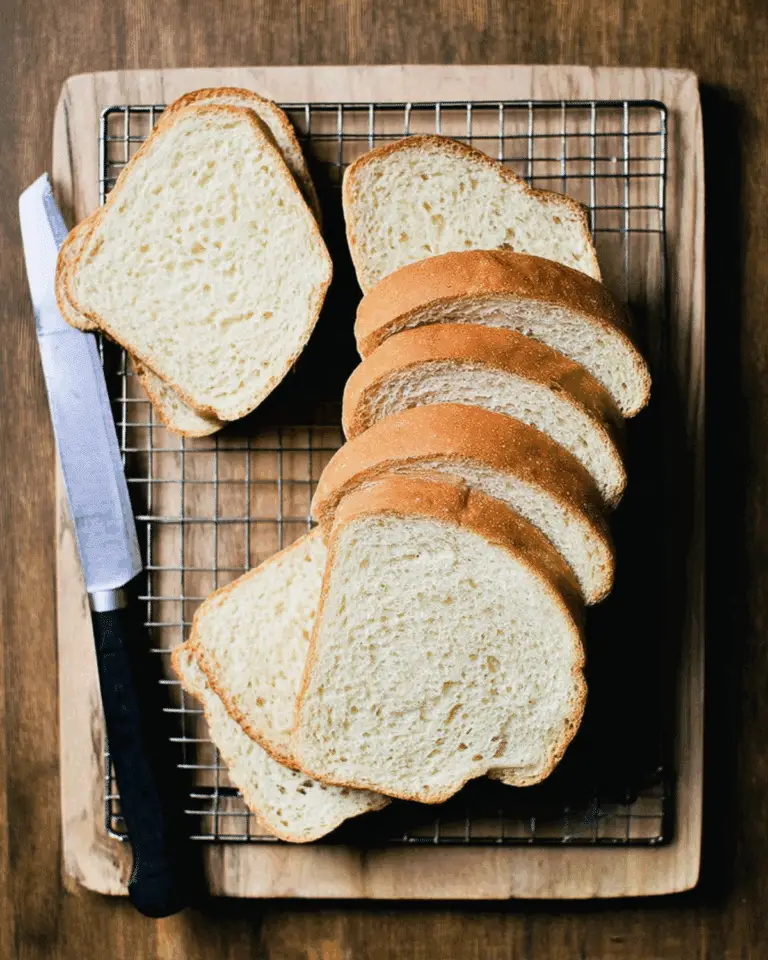
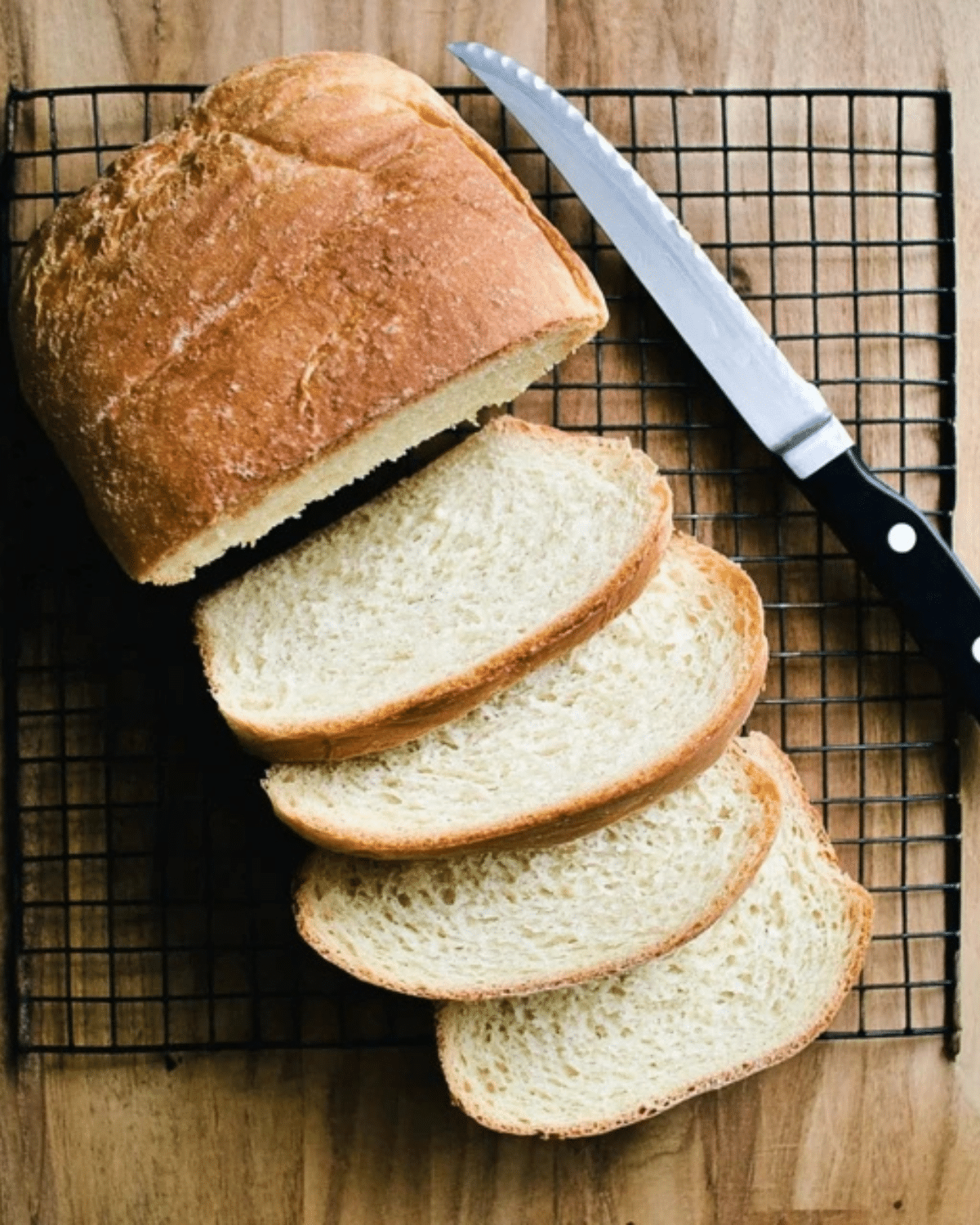
Sourdough sandwich bread brings together the depth of naturally fermented dough with the soft texture needed for everyday sandwiches and toast. Unlike rustic sourdough loaves with thick crusts and open holes, this style is designed to slice neatly and stay tender. In this guide, you’ll learn what sets this bread apart, why home bakers love it, and how a simple process can deliver consistent results. By understanding the basics, you’ll be well on your way to baking a loaf that works for breakfast, lunch, and everything in between.
JUMP TO
Table of Contents
What Is Sourdough Sandwich Bread and Why It’s Special
This type of bread is made with a sourdough starter but baked in a loaf pan to create an even crumb and soft crust. Because it relies on natural fermentation, it develops flavor slowly while remaining mild enough for daily use.
Sourdough Sandwich Bread vs Artisan Sourdough
Artisan sourdough is known for its chewy crust and irregular holes, which are great for tearing but not ideal for sandwiches. In contrast, sandwich-style sourdough is enriched slightly and shaped to rise upward rather than outward. As a result, slices come out uniform, making them perfect for spreads, deli fillings, or toast.
Benefits of Using Natural Sourdough Starter
A sourdough starter provides leavening without commercial yeast while adding complexity to the flavor. During fermentation, natural acids develop gradually, which helps improve texture and digestibility. Many bakers also appreciate that sourdough-based bread stays fresh longer than standard white bread.
Why This Bread Is Perfect for Daily Use
Because it balances softness with structure, this bread fits easily into everyday routines. It works well for grilled cheese, peanut butter sandwiches, or morning toast. At the same time, it offers more character than basic sandwich loaves, making it a favorite for home baking.
Ingredients Needed for Sourdough Sandwich Bread
Using the right ingredients helps achieve a loaf that’s soft, flavorful, and easy to slice. Each component plays a specific role in structure and taste.

Understanding Sourdough Starter
An active starter is essential for proper rise. It should be bubbly, well-fed, and at peak activity before mixing the dough. A strong starter ensures the bread rises steadily without becoming dense.
Flour Choices for Soft Sandwich Bread
Bread flour is often preferred because it contains more protein, which strengthens gluten. However, all-purpose flour can also work, especially when hydration is adjusted slightly. Choosing quality flour improves crumb texture and overall consistency.
Role of Milk, Butter, and Sweeteners
Milk adds softness and helps create a tender crumb, while butter contributes richness. A small amount of honey or sugar supports fermentation and balances the tang of the starter without making the loaf sweet.
Salt and Its Importance in Flavor and Structure
Salt enhances flavor and regulates fermentation. Without it, the dough can overproof and lose strength. Proper seasoning also helps highlight the natural sourdough notes.
How to Make Sourdough Sandwich Bread Step by Step
Once your ingredients are ready, the process becomes a series of manageable stages. Each step builds structure and flavor gradually, which is why patience plays such a big role in success.
Mixing and Autolyse Process
Begin by combining flour, milk, and water until no dry spots remain. At this stage, the dough will look rough, which is perfectly normal. Letting it rest for 20 to 30 minutes allows the flour to fully hydrate. This rest period, often called autolyse, helps gluten begin forming naturally, making the dough easier to work with later.
Kneading and Dough Development
After the rest, add the active starter, salt, butter, and sweetener. Knead the dough by hand or with a mixer until it becomes smooth and elastic. Proper kneading strengthens gluten, which supports a good rise and creates a soft but sturdy crumb. The dough should feel slightly tacky but not sticky.
Bulk Fermentation Explained
Transfer the dough to a lightly greased bowl and cover it. During bulk fermentation, the dough rests at room temperature for several hours. Over time, it will rise noticeably and develop flavor. Gentle stretch-and-folds during the first hour can help improve structure without heavy kneading.
Shaping Dough for a Sandwich Loaf
Once fermentation is complete, turn the dough out onto a lightly floured surface. Shape it into a tight rectangle, then roll it into a log that fits your loaf pan. Proper shaping encourages upward rise and prevents spreading, which is key for even slices.
Final Proofing Before Baking
Place the shaped dough into a greased loaf pan and cover loosely. During final proofing, the dough rises again until it crowns just above the rim of the pan. This stage determines the final texture, so allowing enough time here helps avoid dense bread.
Baking Sourdough Sandwich Bread for Best Results
Baking is where all the careful preparation pays off. With the right temperature and timing, the loaf sets properly while staying soft and evenly baked.
Oven Temperature and Bake Time
Preheat your oven well before baking so heat is consistent from the start. Most sandwich loaves bake best at a moderate temperature, which allows the center to cook through without over-browning the crust. As the bread bakes, it will rise slightly more before setting. The loaf is ready when it sounds hollow when tapped and reaches a golden color on top.
Using a Loaf Pan Correctly
A standard loaf pan helps control shape and height. Lightly greasing the pan prevents sticking and promotes even release after baking. Placing the pan in the center of the oven ensures even heat circulation, which improves overall texture.
How to Get a Soft Crust and Tender Crumb
For a softer crust, brushing the top with melted butter after baking works well. Letting the bread cool in the pan for a short time before transferring it to a rack also helps retain moisture. Cooling completely before slicing prevents gumminess and allows the crumb to set.
Tips for Perfect Sourdough Sandwich Bread Every Time
Even experienced bakers benefit from small adjustments. These tips help refine results and avoid common issues.
How to Avoid Dense or Gummy Bread
Dense texture often comes from underproofing or a weak starter. Giving the dough enough time to rise and ensuring the starter is active makes a noticeable difference. Gummy crumbs usually mean the loaf was sliced too early or underbaked.
Adjusting Hydration for Your Flour
Different flours absorb water differently. If the dough feels stiff, adding a small amount of liquid can help. On the other hand, overly sticky dough may benefit from slightly less hydration next time.
Common Mistakes to Avoid
Rushing fermentation, skipping rests, or baking at too high a temperature can all affect quality. Taking notes as you bake helps fine-tune future loaves.
Variations of Sourdough Sandwich Bread
Once you’re comfortable with the basic recipe, variations allow you to tailor the loaf to different tastes and dietary needs.
Whole Wheat Sourdough Sandwich Bread
Replacing part of the white flour with whole wheat adds nuttiness and fiber. Because whole wheat absorbs more liquid, increasing hydration slightly keeps the crumb soft.
Honey or Maple Sweetened Bread
Using honey or maple syrup adds gentle sweetness and depth. These natural sweeteners pair well with the tang from fermentation and work nicely for breakfast toast.
Dairy-Free Sourdough Sandwich Bread
For a dairy-free option, substitute plant-based milk and oil for butter. The loaf remains soft while accommodating dietary preferences.
Storing, Freezing, and Using Sourdough Sandwich Bread
Proper storage keeps homemade bread fresh longer and reduces waste.
How to Store Bread to Keep It Soft
Once cooled, store the loaf in a bread bag or airtight container at room temperature. Avoid refrigeration, which dries bread out faster.
Freezing and Thawing Tips
This bread freezes well when sliced. Wrap portions tightly and freeze for up to three months. Thaw slices at room temperature or toast directly from frozen.
Best Sandwich Ideas Using This Bread
This loaf works well for grilled cheese, turkey sandwiches, or simple buttered toast. Its even crumb holds spreads without tearing.
Nutritional Benefits of Sourdough Sandwich Bread
Beyond flavor, fermentation adds nutritional value that many bakers appreciate.
Digestibility and Fermentation Benefits
Natural fermentation helps break down gluten and phytic acid, which may improve mineral absorption and digestion for some people.
Calories and Nutritional Overview
While similar in calories to standard sandwich bread, sourdough-based loaves often feel more satisfying due to flavor and texture.
Is Sourdough Sandwich Bread Healthier Than Regular Bread
Many consider it a better option because of fermentation benefits and fewer additives. However, balance and portion size still matter.
Frequently Asked Questions About Sourdough Sandwich Bread
Can sourdough sandwich bread be made without yeast?
Yes, a well-maintained starter provides all the leavening needed.
Why didn’t my loaf rise properly?
This usually points to an inactive starter or insufficient fermentation time.
How long does sourdough sandwich bread stay fresh?
Stored properly, it stays soft for several days at room temperature.
Can I use all-purpose flour instead of bread flour?
Yes, though texture may be slightly less chewy. Adjust hydration if needed.
Conclusion
Baking sourdough sandwich bread at home offers the best of both worlds: deep flavor from natural fermentation and the soft texture needed for everyday meals. With patience, quality ingredients, and attention to timing, this loaf becomes a reliable staple. Whether used for sandwiches, toast, or simple snacks, it brings homemade comfort to the table.
PrintSourdough Sandwich Bread That’s Soft, Reliable, and Easy to Bake

Soft and flavorful sourdough sandwich bread made with a natural starter, baked in a loaf pan to create tender slices perfect for everyday sandwiches and toast.
- Prep Time: 20 minutes
- Cook Time: 40 minutes
- Total Time: 4 hours
- Yield: 1 loaf
- Category: Bread
- Method: Baking
- Cuisine: American
- Diet: Vegetarian
Ingredients
- 1 cup active sourdough starter
- 3 cups bread flour
- 3/4 cup milk
- 2 tablespoons unsalted butter, softened
- 2 tablespoons honey or sugar
- 1 teaspoon salt
Instructions
- In a large bowl, mix flour, milk, and water until combined and let rest for 20–30 minutes.
- Add sourdough starter, butter, honey, and salt, then knead until smooth and elastic.
- Place dough in a greased bowl, cover, and allow to bulk ferment until doubled.
- Shape dough into a log and place into a greased loaf pan.
- Cover and let proof until the dough rises just above the pan rim.
- Bake in a preheated oven at 375°F until golden and cooked through.
- Cool completely before slicing.
Notes
- Use an active, bubbly starter for best rise.
- Do not slice bread while hot to avoid gummy texture.
- Brush with butter after baking for a softer crust.
- Adjust hydration slightly depending on flour type.
Nutrition
- Serving Size: 1 slice
- Calories: 160 kcal
- Sugar: 4 g
- Sodium: 210 mg
- Fat: 4 g
- Saturated Fat: 2 g
- Unsaturated Fat: 2 g
- Trans Fat: 0 g
- Carbohydrates: 26 g
- Fiber: 1 g
- Protein: 5 g
- Cholesterol: 10 mg