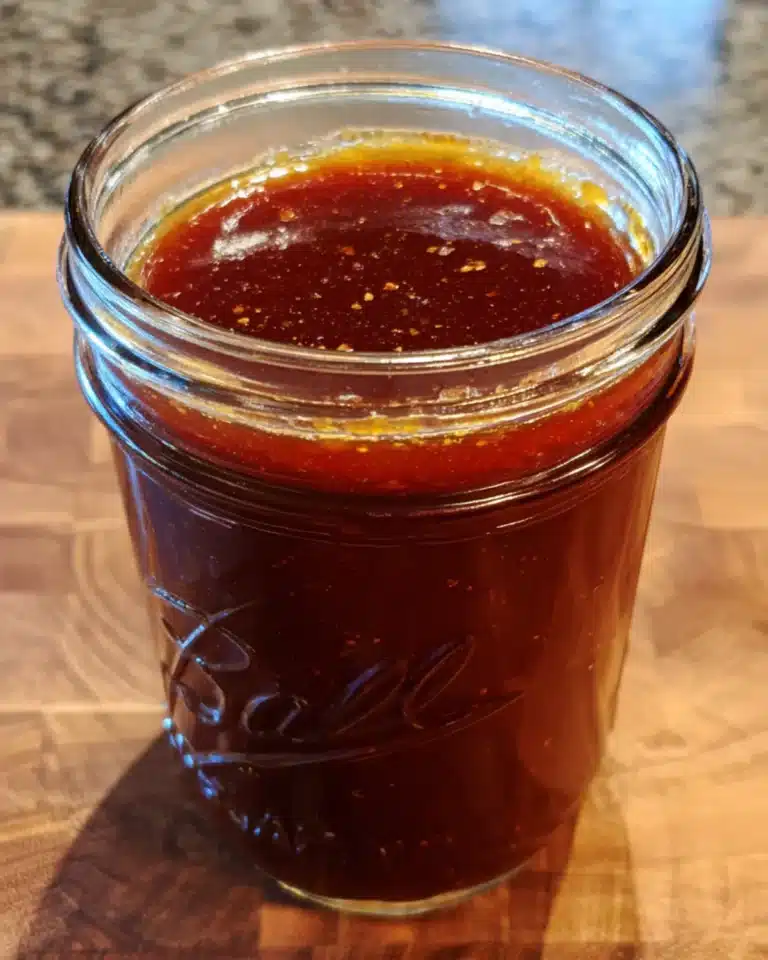
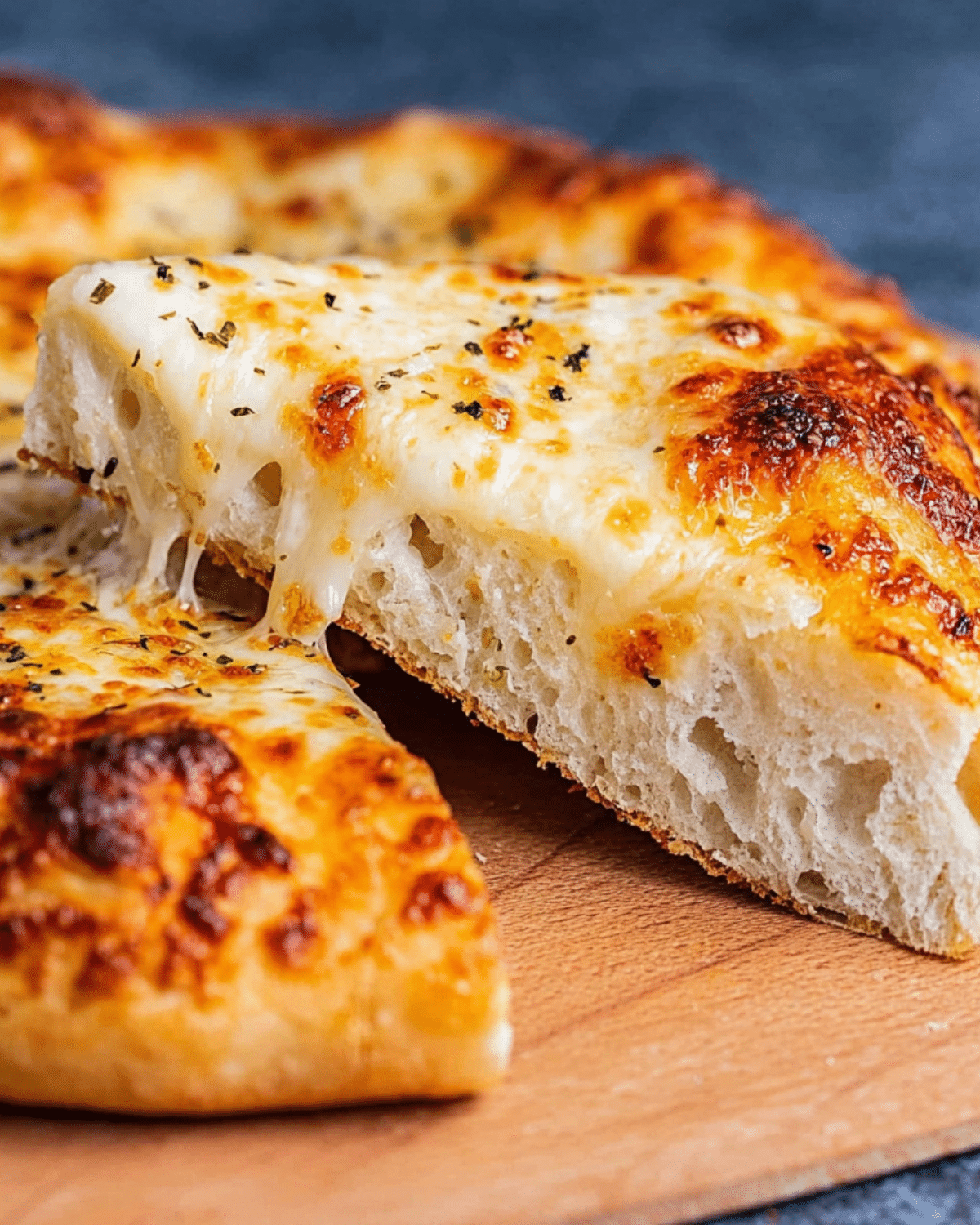
If you’ve ever wondered what to do with leftover sourdough discard, turning it into a sourdough discard pizza crust might just be the best idea yet. Instead of throwing away your starter remnants, this method transforms them into a tangy, chewy pizza base that’s packed with flavor. The result? A homemade crust that’s not only sustainable but also beats takeout on texture and taste. In this article, you’ll learn what makes this type of pizza crust special, how to prepare it perfectly every time, and a few expert tips for achieving that signature golden crisp.
Looking for another creative way to use discard? Check out our homemade sourdough bread recipe for more inspiration.
JUMP TO
Table of Contents
What Is a Sourdough Discard Pizza Crust?
A sourdough discard pizza crust is a pizza dough made using the portion of sourdough starter that would normally be discarded during feeding. Instead of wasting it, bakers discovered that this inactive starter adds incredible depth of flavor and a slightly tangy aroma to pizza doughs. Unlike regular yeast-based crusts, this version develops naturally complex notes and a soft yet crisp texture when baked.
Understanding Sourdough Discard
Sourdough discard is the portion of your starter that you remove before feeding it fresh flour and water. Though it’s not strong enough to rise bread on its own, it still contains wild yeast and beneficial bacteria that give baked goods their signature tang. When used in pizza dough, discard enhances the crust’s flavor while also improving its chew and color.
Because discard still has fermentation power, it helps create bubbles and structure in the dough. This means your crust will bake up with beautiful airy pockets and just the right crunch — no commercial yeast required. If you’ve baked with discard before, you’ll notice its ability to add a slight sourness, perfect for balancing rich tomato sauce and melted cheese.
Why Make Pizza Dough with Sourdough Discard
There are a few reasons home bakers swear by sourdough discard pizza dough:
- Reduces food waste: You get to reuse what you’d normally throw away.
- Enhances flavor: The discard’s natural acids bring a subtle tang that complements savory toppings beautifully.
- Better texture: The long fermentation time gives a chewy, airy crumb with crispy edges.
- No commercial yeast needed: The dough relies on natural leavening, making it more digestible for many people.
Using discard also saves time — you can prepare the dough in advance and let it ferment slowly in the fridge. This process enhances flavor development and gives you flexibility in baking.
For even more tangy and no-waste ideas, try our sourdough discard crackers, another easy way to make the most of your starter leftovers.
Ingredients for the Best Sourdough Discard Pizza Crust
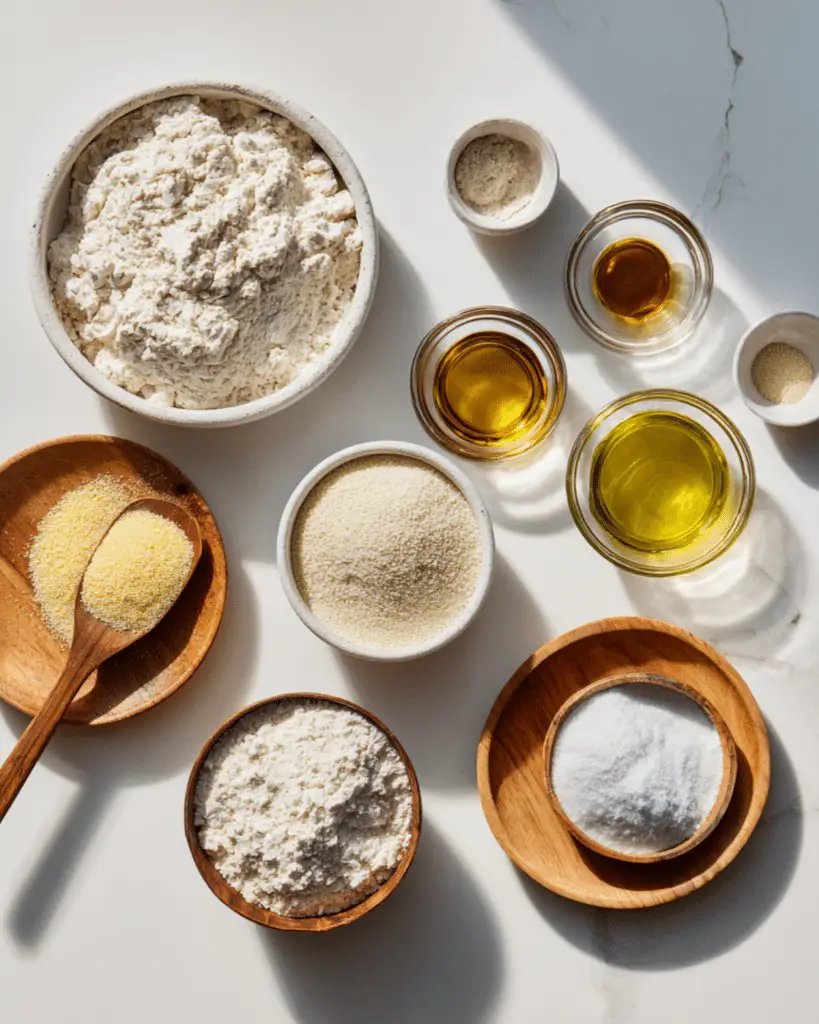
A great sourdough discard pizza crust starts with simple pantry staples — plus that flavorful sourdough discard that gives the dough its signature tang. The ingredients you use, and the balance between them, determine your crust’s chewiness, rise, and crispness. Below is a breakdown of everything you’ll need.
Essential Ingredients
Here’s the foundation for a crispy, chewy, and flavorful sourdough discard pizza dough:
| Ingredient | Amount | Purpose in Dough |
|---|---|---|
| Sourdough discard (unfed) | 1 cup (240 g) | Adds natural flavor and mild tang |
| All-purpose flour | 2 ½ cups (315 g) | Builds gluten structure |
| Warm water | ½ cup (120 ml) | Helps dough come together |
| Olive oil | 1 tbsp | Softens dough and enhances browning |
| Salt | 1 tsp | Balances flavor |
| Optional instant yeast | ¼ tsp | Speeds up fermentation |
| Honey or sugar | 1 tsp | Feeds yeast and enhances browning |
The combination of discard and a small amount of yeast gives you flexibility — you can bake it the same day or let it ferment overnight for a deeper, more artisan flavor.
If you want a classic tangy result similar to sourdough loaves, check out our easy overnight sourdough bread recipe for a slow fermentation guide.
Ingredient Substitutions
Baking with sourdough discard is wonderfully forgiving. You can easily modify this pizza crust to match your preferences:
- Gluten-free option: Replace the all-purpose flour with a 1:1 gluten-free baking mix. Add 1 extra tablespoon of water if the dough feels dry.
- Whole wheat variation: Substitute up to 50% of the flour with whole wheat for a nutty taste and extra fiber.
- Oil alternatives: Swap olive oil for avocado oil or melted butter for a richer flavor.
- Hydration tweak: Want a more open crumb? Add 1–2 extra tablespoons of water. For a denser crust, reduce hydration slightly.
These tweaks make your sourdough discard pizza crust adaptable for any diet or flavor profile.
For more discard-based ideas, see our sourdough discard pancakes — a soft, fluffy way to use your starter leftovers for breakfast.
How to Make Sourdough Discard Pizza Crust Step-by-Step
Once your ingredients are ready, making sourdough pizza dough is all about balance — enough mixing to form gluten, but not so much that it becomes tough. Follow these steps for a reliable, golden crust every time.
Mixing and Kneading the Dough
In a large bowl, mix sourdough discard, water, and olive oil until smooth. Add flour, salt, and optional yeast. Use a wooden spoon or your hands to combine until no dry spots remain. The dough should feel slightly tacky but not sticky.
Knead the dough on a lightly floured surface for about 8–10 minutes, or until smooth and elastic. If using a stand mixer, use the dough hook attachment on medium speed for 5–6 minutes.
For additional guidance on gluten formation, the experts at King Arthur Baking recommend gently stretching your dough to check for the “windowpane” effect — a sign it’s well-developed and ready to ferment.
Fermentation and Rising Tips
Place the dough in a lightly oiled bowl, cover with plastic wrap or a damp towel, and let it rest. If you used yeast, 1–2 hours at room temperature should be enough for the dough to double. If you prefer a stronger sourdough flavor, refrigerate the dough for 12–24 hours. This slow fermentation develops deeper tang and texture.
When ready, remove it from the fridge and let it sit at room temperature for 30–45 minutes before shaping.
Shaping and Baking for a Crispy Crust
Preheat your oven to 475°F (245°C) and place a pizza stone or steel inside to heat for at least 30 minutes. Roll out your dough on parchment paper or a floured surface until it’s about ¼ inch thick. For a thinner crust, stretch it gently with your hands instead of rolling.
Transfer the dough to the hot stone or pan and pre-bake it for 5 minutes before adding toppings. This step ensures the crust stays crisp even under sauce and cheese. Bake the topped pizza for another 8–12 minutes, or until golden brown with bubbly edges.
For extra inspiration, you might also explore our Italian-style pizza sauce recipe to complement your sourdough crust perfectly.
Tips for Perfecting Your Sourdough Discard Pizza Dough
A sourdough discard pizza crust is simple to make, but perfecting it takes a few insider tips. Whether you want a crispier bite, a chewier crumb, or more sour flavor, these small tweaks will take your pizza game to the next level.
Texture and Flavor Adjustments
The beauty of sourdough discard dough lies in its flexibility. To get a crust that’s soft on the inside and crisp outside, keep your dough slightly moist. High hydration promotes open crumb and blistered bubbles.
If you prefer a more tangy flavor, let the dough rest in the fridge for at least 24 hours. The longer it ferments, the deeper the flavor. For mild-tasting dough, use fresher discard or shorten the proofing time.
For even baking, brush your rolled-out dough with olive oil before topping. This keeps moisture from the sauce from soaking in and helps achieve a golden, crunchy base.
If you enjoy artisan-style breads, our rustic sourdough loaf recipe offers similar fermentation techniques that work beautifully for pizza crusts too.
Troubleshooting Common Problems
Even seasoned bakers occasionally run into issues with sourdough pizza dough. Here’s how to fix them fast:
| Problem | Likely Cause | Quick Fix |
|---|---|---|
| Dough too sticky | Too much water or not enough flour | Add flour a tablespoon at a time until smooth |
| Crust too dense | Under-proofed dough | Let rise longer or use warmer resting area |
| Pale crust | Oven not hot enough | Preheat stone at least 30 minutes |
| Overly sour flavor | Overfermented discard | Use fresher discard or shorten fermentation time |
If you’re new to discard baking, try our beginner’s sourdough discard guide for a deeper understanding of how fermentation affects texture and taste.
Topping Ideas for Sourdough Discard Pizza Crust
Once you’ve nailed the crust, it’s time for the fun part — toppings! Because sourdough discard crust has a slightly tangy flavor, it pairs beautifully with rich and savory ingredients.
Here are some combinations to try:
- Classic Margherita: Tomato sauce, mozzarella, basil, olive oil
- White Garlic Pizza: Ricotta, garlic butter, spinach, mozzarella
- BBQ Chicken Pizza: Barbecue sauce, shredded chicken, red onion, cilantro
- Mediterranean Veggie: Pesto, roasted red peppers, olives, feta
- Breakfast Pizza: Eggs, bacon, cheddar, green onions
Looking for topping inspiration? Our homemade pizza topping ideas page has creative flavor pairings for every mood.
Storing and Reheating Sourdough Pizza Crust
Sourdough discard pizza crust stores extremely well. You can keep unbaked dough covered in the refrigerator for up to 3 days, or freeze it for up to 2 months. When ready to use, thaw in the fridge overnight and bring to room temperature before baking.
To reheat leftover baked pizza, use a skillet or oven — never the microwave, as it softens the crust. Heat slices in a 400°F oven for about 5–6 minutes, or until the edges regain crispness.
If you’re planning to make ahead, our freezer-friendly pizza dough recipe has extra tips on storing dough without losing texture.
FAQs about Sourdough Discard Pizza Crust
Can I make sourdough discard pizza dough without yeast?
Yes! The discard alone provides enough natural leavening for a thin, crisp crust. Just extend the fermentation time by a few hours.
How long can I store sourdough discard in the fridge?
You can keep discard in the refrigerator for up to 7 days. Beyond that, its flavor may become overly sour.
Can I use whole wheat flour in sourdough pizza crust?
Absolutely. Replacing up to half of the all-purpose flour with whole wheat adds depth and nutrition without making the crust heavy.
Why is my sourdough pizza crust not rising?
It might be due to cold dough or weak starter. Warm your dough slightly before shaping and ensure your discard isn’t too old.
Is sourdough pizza crust healthier than regular dough?
Generally yes — natural fermentation helps break down gluten and phytic acid, making it easier to digest and more nutrient-available.
Conclusion — Make the Most of Your Sourdough Discard
Making a sourdough discard pizza crust is one of the most satisfying ways to use your starter leftovers. It reduces waste, delivers a rich, tangy taste, and rewards you with a crispy yet soft pizza base every time. With a few adjustments, you can create your ideal texture — from thin and crisp to thick and chewy.
Ready to keep baking with discard? Explore our collection of sourdough recipes for breads, crackers, and desserts that turn your starter into gold.
PrintSourdough Discard Pizza Crust

This sourdough discard pizza crust recipe transforms leftover sourdough starter into a crispy, chewy, and tangy pizza base. It’s a no-waste, easy-to-make dough that delivers artisan flavor and texture without using commercial yeast.
- Prep Time: 15 minutes
- Cook Time: 15 minutes
- Total Time: 30 minutes (plus fermentation time)
- Yield: 1 large 12-inch pizza crust (serves 4)
- Category: Pizza Dough
- Method: Baked
- Cuisine: Italian-American
- Diet: Vegetarian
Ingredients
- 1 cup (240 g) sourdough discard (unfed)
- 2 ½ cups (315 g) all-purpose flour
- ½ cup (120 ml) warm water
- 1 tbsp olive oil
- 1 tsp salt
- ¼ tsp instant yeast (optional)
- 1 tsp honey or sugar
Instructions
- In a large bowl, mix sourdough discard, warm water, and olive oil until smooth.
- Add flour, salt, and optional yeast. Mix until no dry flour remains.
- Knead the dough for 8–10 minutes until smooth and elastic. Add flour as needed if sticky.
- Place the dough in a lightly oiled bowl, cover, and let it rise for 1–2 hours at room temperature or refrigerate for up to 24 hours for stronger flavor.
- Preheat oven to 475°F (245°C) with a pizza stone or steel inside for at least 30 minutes.
- Roll or stretch the dough on a floured surface or parchment paper to ¼ inch thickness.
- Pre-bake the crust for 5 minutes, then add your favorite toppings.
- Return to the oven and bake for 8–12 minutes, or until golden and crisp.
- Slice, serve, and enjoy your homemade sourdough discard pizza crust!
Notes
- For a tangier crust, let the dough ferment in the fridge for 24 hours.
- Use fresher discard for a milder flavor.
- Brush olive oil on the crust before topping to prevent sogginess.
- Store leftover dough in the fridge for 3 days or freeze for 2 months.
- Reheat baked pizza in a 400°F oven for 5–6 minutes for best texture.
Nutrition
- Serving Size: 1 slice (1/8 of pizza)
- Calories: 190
- Sugar: 1g
- Sodium: 280mg
- Fat: 4g
- Saturated Fat: 0.5g
- Unsaturated Fat: 3.5g
- Trans Fat: 0g
- Carbohydrates: 33g
- Fiber: 1g
- Protein: 6g
- Cholesterol: 0mg