A sour dough starter easy recipe is the first step toward baking real homemade sourdough bread with deep flavor, chewy texture, and natural fermentation. While sourdough has a reputation for being tricky, the truth is that making a starter from scratch is simple when you understand the process and follow consistent steps. You only need flour, water, patience, and a little guidance.
In this complete guide, you’ll learn exactly how to make a sour dough starter the easy way. We’ll cover what a sourdough starter is, why it works, the ingredients you need, a clear day-by-day process, common problems and fixes, storage tips, feeding schedules, and answers to the most common beginner questions. By the end, you’ll have a strong, active starter and the confidence to keep it alive long term.
JUMP TO
Table of Contents
What Is a Sourdough Starter and Why It Works
A sourdough starter is a living culture made from flour and water. Over time, this mixture captures wild yeast and beneficial bacteria from the environment. These microorganisms ferment the flour, producing natural gases that help bread rise and develop flavor.
Unlike commercial yeast, a sourdough starter relies on wild fermentation. This slower process creates complex flavor, better texture, and bread that many people find easier to digest. A sour dough starter easy recipe focuses on consistency rather than speed, which is why beginners can succeed without special skills.
Why a Homemade Sourdough Starter Is Worth Making
Making your own starter gives you full control over ingredients and flavor. It costs almost nothing, requires no special tools, and can last for years if cared for properly. Once established, your starter becomes stronger with regular use.
Another reason people love homemade starters is flexibility. You can adjust flour types, feeding schedules, and baking routines to suit your lifestyle. Learning a sour dough starter easy recipe is an investment that pays off every time you bake.
Ingredients Needed for a Sour Dough Starter Easy Recipe
One of the biggest myths about sourdough is that it requires complicated ingredients. In reality, you only need two basics.
Flour Choices for Beginners
Unbleached all-purpose flour works well and is easy to find. Whole wheat flour can help jump-start fermentation because it contains more nutrients. Many beginners start with whole wheat for the first few days, then switch to all-purpose flour once the starter becomes active.
Consistency matters more than flour type, so choose one and stick with it.
Water Quality and Temperature
Use clean, chlorine-free water if possible. Chlorine can slow fermentation. If your tap water is chlorinated, letting it sit uncovered for a few hours allows chlorine to dissipate.
Room-temperature water works best. Cold water slows fermentation, while very hot water can harm yeast.
Tools That Make the Process Easier
You don’t need special equipment, but a few basic items help.
A glass jar allows you to see bubbles and growth clearly. A spoon or spatula is fine for mixing. A rubber band placed around the jar helps track how much the starter rises after feeding. A scale is helpful but not required.
Sour Dough Starter Easy Recipe Day-by-Day Guide
This step-by-step timeline keeps things simple and beginner-friendly.
Day 1: Mixing the Starter
In a clean jar, mix ½ cup flour with ¼ cup water. Stir until no dry flour remains. The mixture should be thick, similar to pancake batter. Cover loosely so air can circulate and leave it at room temperature for 24 hours.
Day 2: First Feeding
After 24 hours, you may or may not see bubbles. Discard half of the mixture. Add ½ cup flour and ¼ cup water. Stir well, cover loosely, and let it rest at room temperature.
Day 3: Signs of Activity
Small bubbles may appear, and the starter may develop a mild smell. Discard half again and feed with the same ratio of flour and water. Even if it smells unpleasant, continue feeding. This stage is normal.
Day 4: Strengthening the Starter
By now, the starter should show more bubbles and slight rise. Continue discarding half and feeding daily. The smell should begin shifting from sour or sharp to mildly tangy.

Days 5 to 7: Building Strength
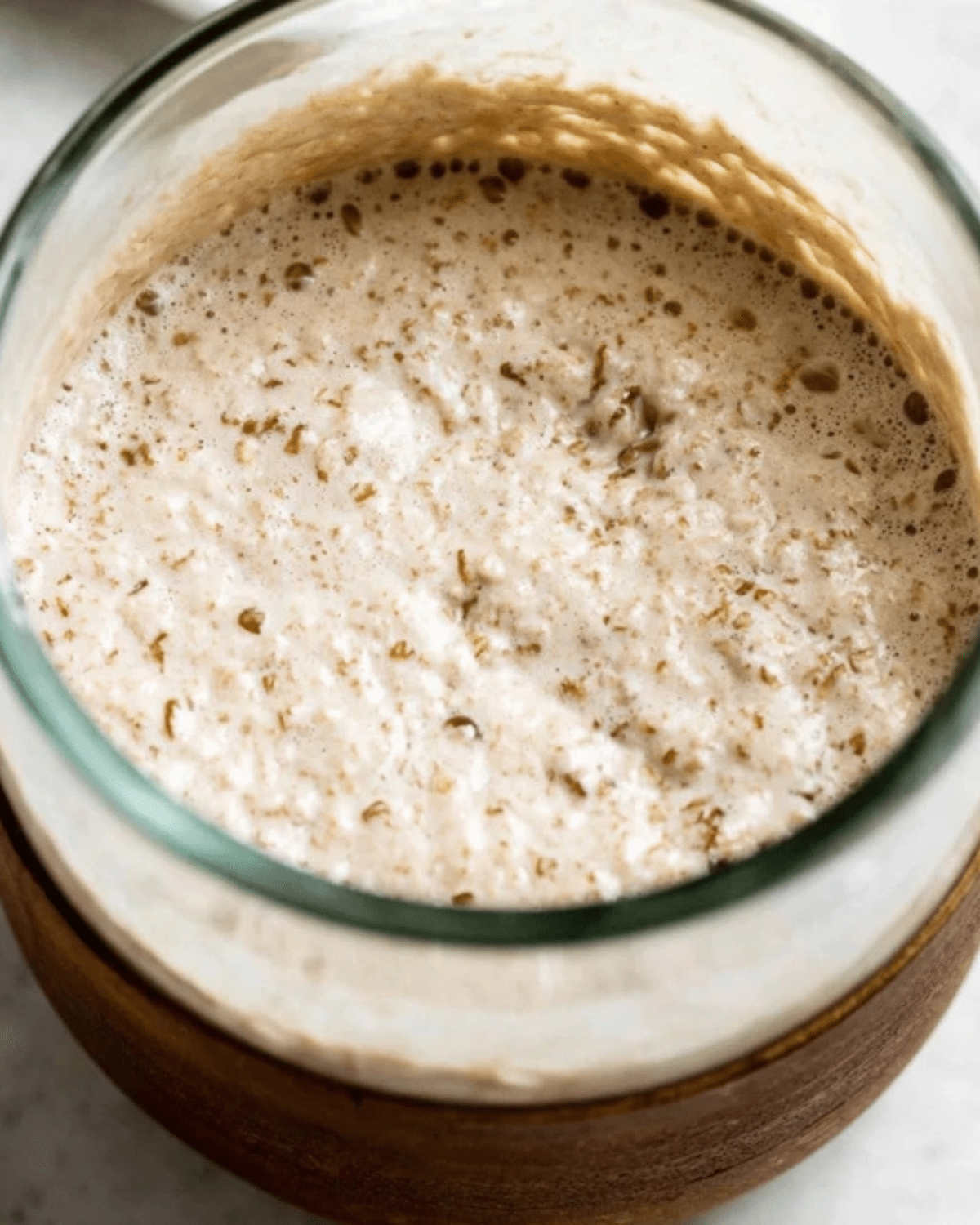
The starter should start rising more predictably after feedings. When it doubles in size within 4 to 6 hours and smells pleasantly sour, it’s close to ready.
How to Know When Your Starter Is Ready to Bake
A starter is ready when it rises consistently and shows strong activity after feeding.
Visual Signs
Look for lots of bubbles throughout the jar and a noticeable rise and fall pattern. The texture should be airy rather than dense.
Smell Test
A healthy starter smells tangy, slightly sour, or yeasty. Strong, unpleasant odors usually mean it needs feeding.
The Float Test
Drop a small spoonful of starter into water. If it floats, it’s ready. This test isn’t perfect, but it’s a helpful indicator.
Common Problems and Easy Fixes
Even with a sour dough starter easy recipe, beginners may run into issues.
Starter Not Bubbling
Cold temperatures slow fermentation. Move the starter to a warmer spot and feed regularly. Using whole wheat flour for a few days can also help.
Starter Smells Bad
A strong smell usually means the starter is hungry. Discard more and feed with fresh flour and water. Over time, the smell will improve.
Liquid on Top of the Starter
This dark liquid, called hooch, means the starter needs food. Pour it off or stir it in, then feed.
Mold on the Starter
Fuzzy mold in green, black, or pink colors means the starter is unsafe. Discard it and start over.
How to Feed and Maintain Your Starter
Once active, maintenance becomes part of your routine.
Daily Feeding at Room Temperature
If you bake often, keep your starter at room temperature and feed it daily. Discard half and refresh with equal parts flour and water by weight or volume.
Refrigerated Storage for Busy Schedules
If you bake occasionally, store the starter in the refrigerator. Feed it once a week. Before baking, bring it to room temperature and feed it to reactivate.
Reviving a Weak Starter
A weak starter can usually be revived with regular feedings and warmer temperatures. Patience is key.
Using Sourdough Discard
Discard doesn’t have to go to waste. It can be used in pancakes, waffles, crackers, muffins, and more. This makes maintaining a sour dough starter easy recipe even more rewarding.
Health and Flavor Benefits of Sourdough Starter
Sourdough fermentation helps break down gluten and phytic acid, which may improve digestibility for some people. The natural acids also enhance flavor and help bread stay fresh longer.
Because fermentation is slow, sourdough bread develops complex flavor without added sugar or commercial yeast.
Frequently Asked Questions About Sour Dough Starter Easy Recipe
How long does it take to make a starter?
Most starters become active in 7 to 10 days, depending on temperature and flour type.
Can I use any flour?
Yes, but unbleached all-purpose or whole wheat flour works best for beginners.
Do I need to measure exactly?
Exact measurements help consistency, but the process is forgiving. Focus on similar ratios.
Why do I have to discard starter?
Discarding keeps the starter manageable and ensures fresh food for the yeast.
Conclusion
A sour dough starter easy recipe is the foundation of great homemade sourdough bread. With just flour, water, and time, you can create a living starter that lasts for years and improves with every bake. While the process takes patience, it’s simple, forgiving, and incredibly rewarding. Once your starter is active, you’ll have endless opportunities to bake flavorful bread and enjoy the art of natural fermentation.
PrintSour Dough Starter Easy Recipe That Beginners Can Trust

A sour dough starter easy recipe made with just flour and water, perfect for beginners who want to make homemade sourdough bread using a simple, reliable fermentation method.
- Prep Time: 10 minutes
- Cook Time: 0 minutes
- Total Time: 7 days
- Yield: 1 sourdough starter
- Category: Baking Basics
- Method: Fermentation
- Cuisine: American
- Diet: Vegan
Ingredients
- 1/2 cup unbleached all-purpose flour or whole wheat flour
- 1/4 cup room-temperature water
Instructions
- In a clean glass jar, mix flour and water until no dry flour remains.
- Cover the jar loosely and let it sit at room temperature for 24 hours.
- On day two, discard half of the mixture and add fresh flour and water in the same ratio.
- Stir well, cover loosely, and let rest for another 24 hours.
- Repeat the discard and feeding process daily.
- After 5 to 7 days, the starter should show bubbles and rise after feeding.
- Once the starter doubles in size within 4 to 6 hours after feeding, it is ready to use.
Notes
- Whole wheat flour can help jump-start fermentation.
- Use chlorine-free water for best results.
- If liquid forms on top, the starter needs feeding.
- Discard starter can be used in other recipes.
Nutrition
- Serving Size: 1 tablespoon
- Calories: 25
- Sugar: 0g
- Sodium: 0mg
- Fat: 0g
- Saturated Fat: 0g
- Unsaturated Fat: 0g
- Trans Fat: 0g
- Carbohydrates: 5g
- Fiber: 1g
- Protein: 1g
- Cholesterol: 0mg