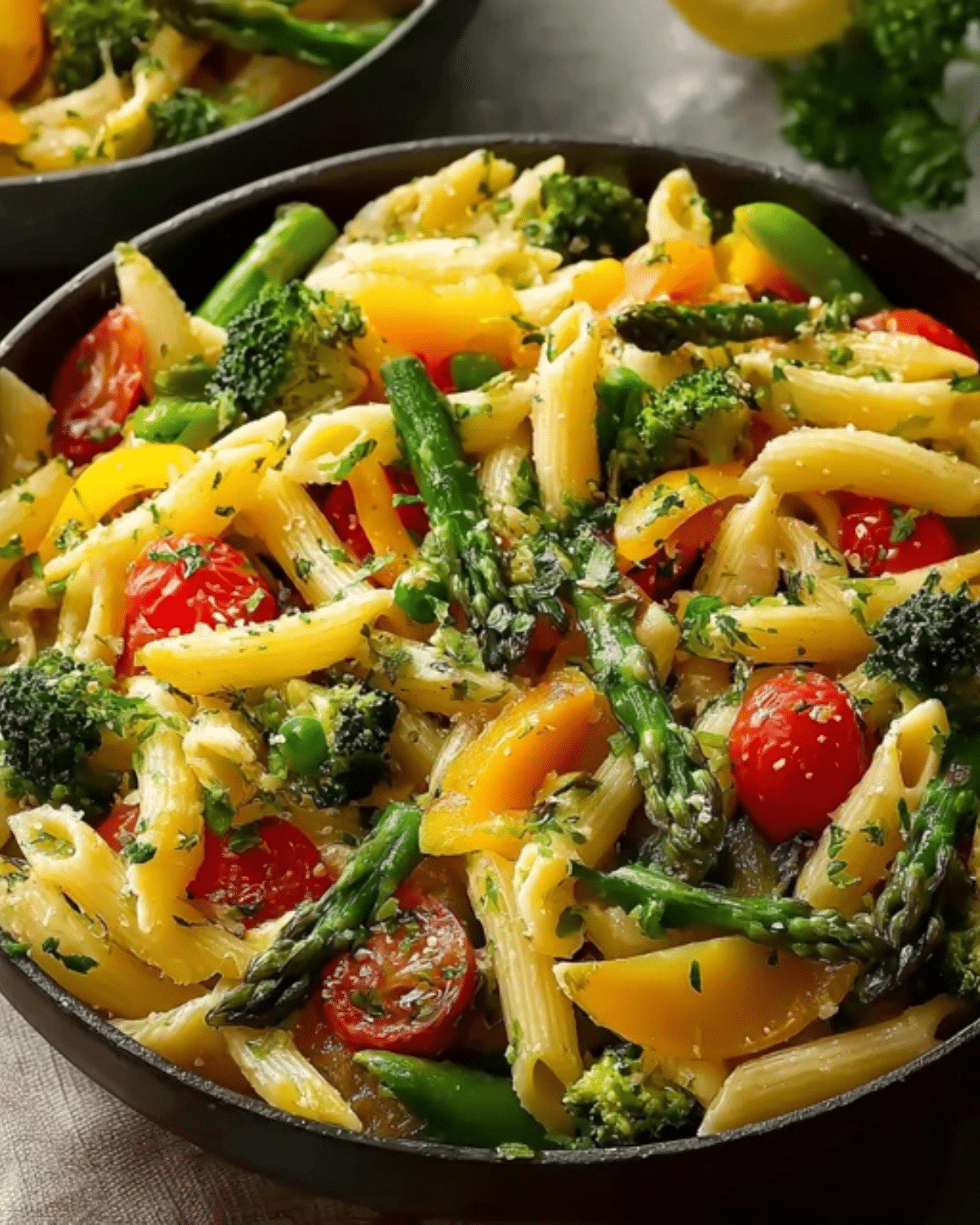
Pasta Primavera is a vibrant, vegetable-loaded pasta dish that celebrates fresh flavors and creamy texture in one beautiful bowl. Made with tender pasta, sautéed seasonal vegetables, garlic, olive oil, and a light creamy sauce, Pasta Primavera is both comforting and refreshing at the same time. If you’re looking for a colorful vegetarian dinner that feels elegant yet simple, this recipe delivers perfectly balanced flavor with minimal effort.
The word “primavera” means spring in Italian, and this dish highlights crisp, bright vegetables that shine against a creamy Parmesan sauce. While many versions include cream, others rely on olive oil and pasta water for a lighter finish. Either way, Pasta Primavera is all about freshness, texture, and harmony.
In this complete guide, you’ll learn how to cook pasta properly, sauté vegetables without overcooking, create a creamy yet light sauce, and customize the dish with seasonal ingredients.
Let’s begin by exploring why this recipe remains a timeless favorite.
JUMP TO
Table of Contents
Why Pasta Primavera Is a Timeless Favorite
Although trends in food come and go, Pasta Primavera continues to appear on dinner tables everywhere. That’s because it combines simplicity with vibrant flavor.
The Meaning Behind “Primavera”
Primavera translates to “spring,” and traditionally this dish showcases spring vegetables like zucchini, peas, carrots, and broccoli. Over time, however, Pasta Primavera evolved into a year-round recipe that highlights whatever vegetables are fresh and available.
Because it celebrates seasonal produce, Pasta Primavera feels light, colorful, and naturally wholesome.
Perfect Balance of Pasta and Vegetables
One of the best features of Pasta Primavera is its balance. The pasta provides comfort and structure, while the vegetables add texture, color, and nutrients.
Common vegetables include:
- Zucchini
- Bell peppers
- Broccoli
- Cherry tomatoes
- Carrots
- Red onion
When sautéed just until tender-crisp, these vegetables keep their vibrant color and natural sweetness. As a result, Pasta Primavera never feels heavy or bland.
Creamy Yet Fresh Flavor Profile
Although Pasta Primavera often includes cream and Parmesan, it still tastes fresh rather than rich. That’s because garlic, olive oil, and herbs brighten the sauce.
The typical flavor base includes:
- Fresh garlic
- Olive oil
- Heavy cream or half-and-half
- Grated Parmesan
- Salt and black pepper
The sauce lightly coats the pasta and vegetables instead of drowning them, allowing each ingredient to shine.
Ingredients for Pasta Primavera
Before you begin cooking, gather all ingredients. Proper preparation ensures smooth execution.

Core Ingredients
- 12 ounces pasta (penne, fettuccine, or spaghetti)
- 2 tablespoons olive oil
- 3 cloves garlic, minced
- 1 cup heavy cream or half-and-half
- 1/2 cup grated Parmesan cheese
- Salt and black pepper to taste
Short pasta like penne works especially well because it holds sauce and vegetables evenly.
Fresh Vegetables
- 1 medium zucchini, sliced
- 1 cup bell peppers, sliced
- 1 cup broccoli florets
- 1 cup cherry tomatoes, halved
- 1 carrot, thinly sliced
- 1/4 red onion, sliced
These vegetables create a colorful and textured Pasta Primavera.
Optional Add-Ins
To customize your Pasta Primavera, consider adding:
- 1 cup fresh spinach
- 1/2 cup peas
- 1 cup sliced mushrooms
- Grilled chicken or shrimp for protein
These additions allow flexibility without compromising flavor.
Ingredient Overview Table
| Ingredient | Quantity |
|---|---|
| Pasta | 12 oz |
| Zucchini | 1 medium |
| Bell peppers | 1 cup |
| Broccoli | 1 cup |
| Cherry tomatoes | 1 cup |
| Heavy cream | 1 cup |
| Parmesan | 1/2 cup |
These proportions ensure balanced sauce coverage without overwhelming the vegetables.
Step-by-Step Pasta Primavera Recipe
Now let’s break down the cooking process step by step.
Step 1: Cooking the Pasta
Bring a large pot of salted water to a boil.
Add pasta and cook until al dente according to package instructions. Reserve 1/2 cup of pasta water before draining.
Cooking pasta to al dente is essential because it continues to cook slightly once combined with the sauce.
Step 2: Sautéing the Vegetables
While the pasta cooks, heat olive oil in a large skillet over medium heat.
Add garlic and sauté for about 30 seconds until fragrant.
Next, add harder vegetables first, such as carrots and broccoli. Cook for 2–3 minutes.
Then add zucchini, bell peppers, and onion. Cook until vegetables are tender-crisp but still vibrant.
Finally, stir in cherry tomatoes and cook just until slightly softened.
Proper timing ensures Pasta Primavera maintains texture and color.
Step 3: Making the Creamy Sauce
Lower the heat slightly and pour in heavy cream.
Simmer gently for 2–3 minutes. Stir in Parmesan cheese until melted and smooth.
If the sauce seems too thick, add a splash of reserved pasta water to loosen it.
The goal is a silky sauce that lightly coats the vegetables.
Step 4: Combining Everything Together
Add drained pasta directly into the skillet. Toss gently until evenly coated.
Taste and adjust seasoning with salt and black pepper.
If desired, add fresh herbs like parsley or basil before serving.
The final result is a colorful, creamy Pasta Primavera that looks as good as it tastes.
Tips for the Best Pasta Primavera
Although Pasta Primavera is simple to prepare, technique makes a noticeable difference. Because the beauty of this dish lies in its texture and freshness, small adjustments can elevate it from good to exceptional.
How to Keep Vegetables Crisp
Overcooked vegetables can make Pasta Primavera feel heavy and dull. To keep them vibrant:
- Cook vegetables in stages, starting with the firmest
- Use medium heat to prevent steaming
- Avoid overcrowding the pan
- Stop cooking while vegetables are still slightly firm
Remember, vegetables continue cooking slightly when tossed with hot pasta and sauce. Tender-crisp texture keeps Pasta Primavera lively and colorful.
Making It Lighter
If you prefer a lighter version of Pasta Primavera, you can easily reduce richness.
Instead of heavy cream:
- Use half-and-half
- Replace cream with reserved pasta water and extra Parmesan
- Stir in a spoonful of Greek yogurt for creaminess
These adjustments maintain flavor while lowering fat content.
Using Seasonal Vegetables
One of the best things about Pasta Primavera is flexibility. While zucchini, carrots, and broccoli are common, you can swap in seasonal produce like:
- Asparagus in spring
- Corn in summer
- Butternut squash in fall
- Spinach year-round
Using fresh, seasonal vegetables keeps Pasta Primavera exciting and adaptable.
Make-Ahead and Storage Tips
Pasta Primavera stores well in the refrigerator for up to 4 days in an airtight container.
To reheat:
- Warm gently in a skillet
- Add a splash of milk or broth to loosen the sauce
- Stir occasionally to prevent sticking
Freezing is not recommended because cream-based sauces can separate.
What to Serve with This Pasta
While Pasta Primavera is satisfying on its own, pairing it with simple sides creates a complete meal.
Garlic Bread
Warm garlic bread complements the creamy sauce perfectly.
Caesar Salad
A crisp Caesar salad adds crunch and balances richness.
Grilled Protein
Although Pasta Primavera is traditionally vegetarian, grilled chicken or shrimp pairs beautifully for added protein.
Caprese Salad
Fresh mozzarella, tomatoes, and basil mirror the bright flavors of Pasta Primavera.
Because this dish is flavorful yet not overpowering, it works well alongside light, fresh sides.
Frequently Asked Questions
Is Pasta Primavera Italian?
Despite its Italian name, Pasta Primavera became popular in the United States. However, it is inspired by Italian flavors and seasonal vegetables.
Can I make it dairy-free?
Yes. Replace cream with olive oil and pasta water. Skip Parmesan or use a dairy-free alternative.
Can I add chicken?
Absolutely. Grilled or sautéed chicken makes Pasta Primavera a heartier meal.
How long does Pasta Primavera last?
Stored properly, it lasts up to 4 days in the refrigerator.
Conclusion: Why You’ll Love Pasta Primavera
Pasta Primavera brings together tender pasta, colorful vegetables, and a creamy garlic Parmesan sauce in one vibrant dish. Because it highlights fresh produce and balanced flavors, it feels comforting without being heavy.
Whether you stick to classic vegetables or customize it with seasonal ingredients, Pasta Primavera remains a reliable, elegant, and satisfying meal. Once you master the technique of sautéing vegetables and balancing the sauce, this timeless recipe will quickly become a favorite in your kitchen.
PrintPasta Primavera – Fresh & Creamy Vegetable Pasta

Pasta Primavera is a fresh and colorful Italian-inspired dish made with tender pasta, sautéed seasonal vegetables, garlic, and a light creamy Parmesan sauce. It’s a vibrant and satisfying vegetarian dinner perfect for any time of year.
- Prep Time: 15 minutes
- Cook Time: 20 minutes
- Total Time: 35 minutes
- Yield: 4 servings
Ingredients
- 12 ounces penne, fettuccine, or spaghetti
- 2 tablespoons olive oil
- 3 cloves garlic, minced
- 1 cup heavy cream or half-and-half
- 1/2 cup grated Parmesan cheese
- 1 medium zucchini, sliced
- 1 cup bell peppers, sliced
- 1 cup broccoli florets
- 1 cup cherry tomatoes, halved
- 1 carrot, thinly sliced
- 1/4 red onion, sliced
- Salt and black pepper to taste
- Optional: 1 cup fresh spinach
- Optional: 1/2 cup peas
- Optional: grilled chicken or shrimp
Instructions
- Bring a large pot of salted water to a boil and cook pasta until al dente. Reserve 1/2 cup pasta water, then drain.
- Heat olive oil in a large skillet over medium heat. Sauté garlic for 30 seconds until fragrant.
- Add carrots and broccoli first, cooking for 2–3 minutes.
- Add zucchini, bell peppers, and red onion. Cook until vegetables are tender-crisp.
- Stir in cherry tomatoes and cook briefly until slightly softened.
- Lower heat and pour in heavy cream. Simmer for 2–3 minutes.
- Stir in Parmesan cheese until melted and smooth. Add reserved pasta water if needed to loosen sauce.
- Add drained pasta to the skillet and toss to coat evenly.
- Season with salt and black pepper to taste. Garnish with fresh herbs if desired and serve warm.
Notes
- Cook vegetables in stages to maintain crisp texture.
- Do not overcook pasta; it will continue cooking slightly in the sauce.
- Add a splash of milk or broth when reheating to restore creaminess.
- Use seasonal vegetables for best flavor.
- Store leftovers in an airtight container for up to 4 days.
Nutrition
- Serving Size: 1 serving
- Calories: 540
- Sugar: 6g
- Sodium: 620mg
- Fat: 22g
- Saturated Fat: 10g
- Unsaturated Fat: 10g
- Trans Fat: 0g
- Carbohydrates: 68g
- Fiber: 6g
- Protein: 18g
- Cholesterol: 45mg