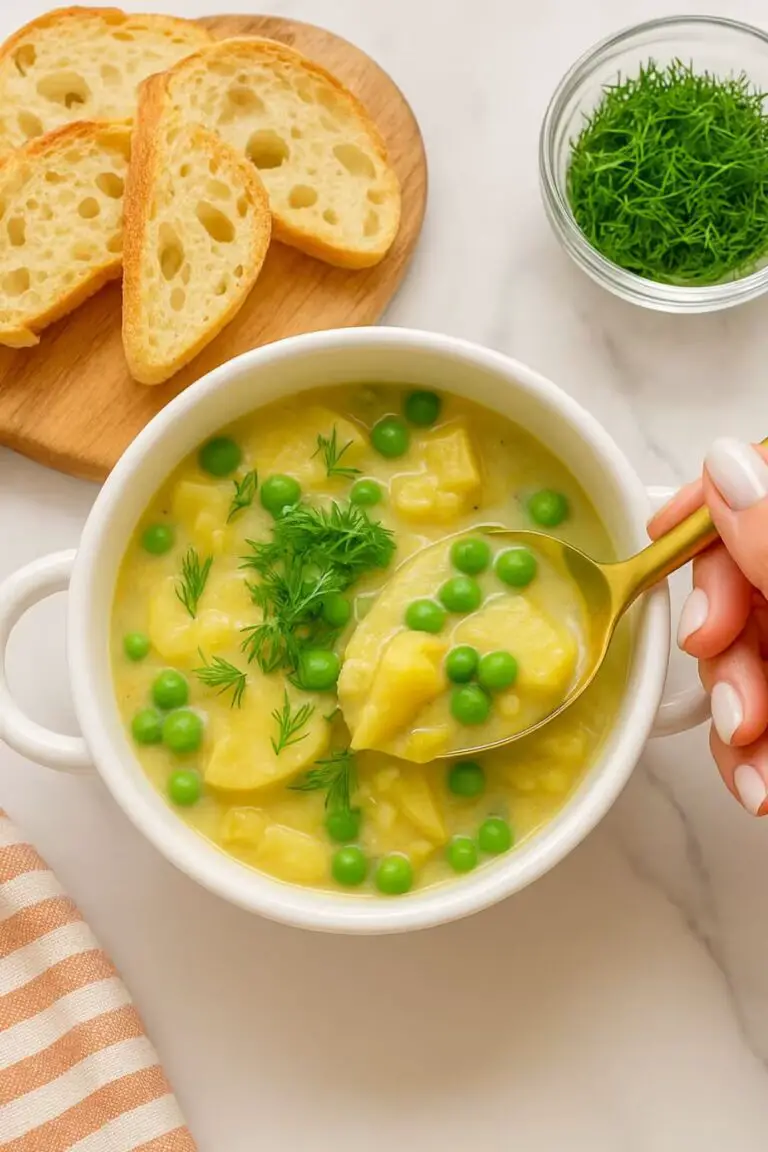
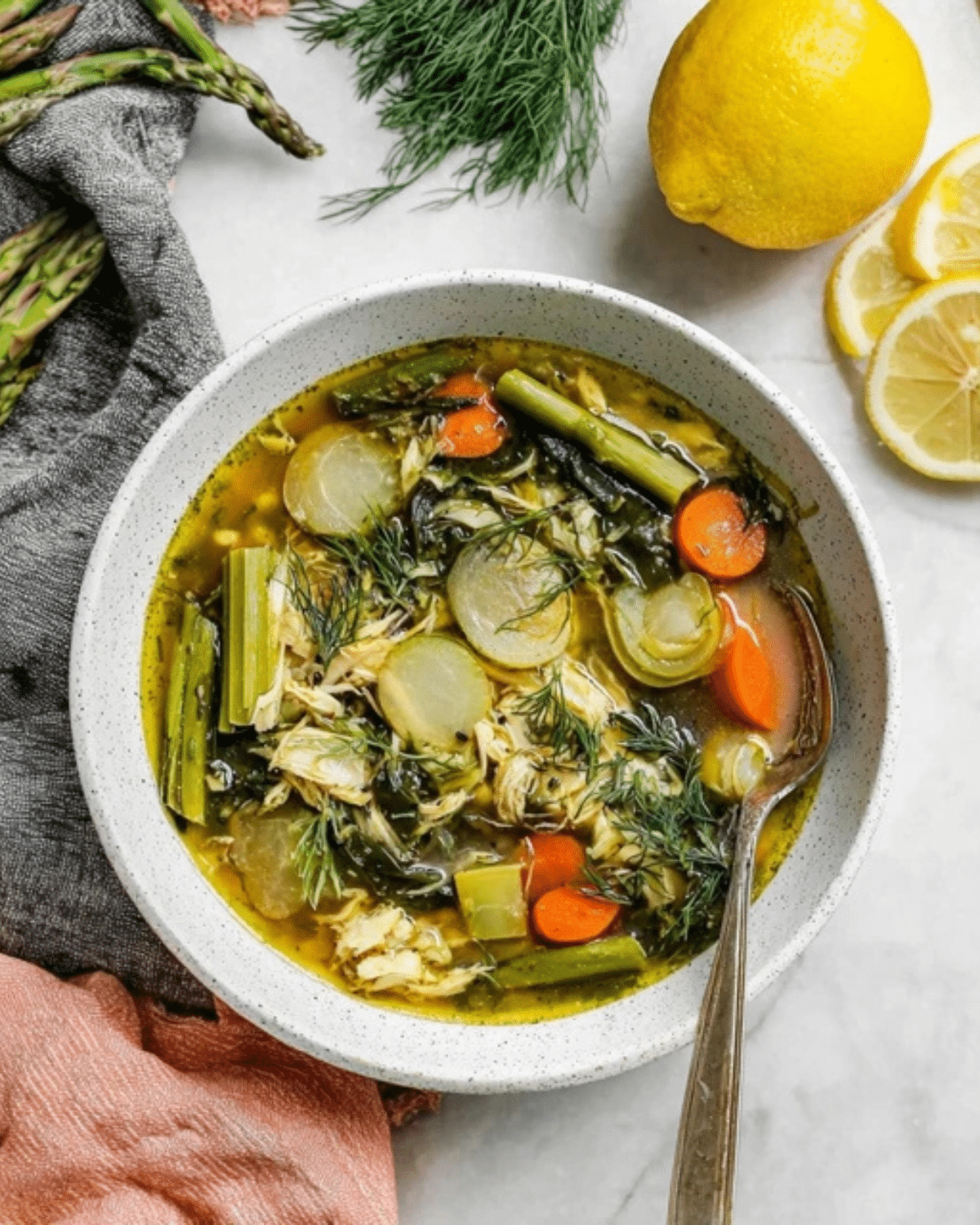
One Pot Spring Vegetable Soup is the kind of recipe that feels like a breath of fresh air after a long winter. It’s light yet satisfying, packed with colorful seasonal vegetables, and comes together in a single pot, which means less mess and more flavor. This one pot spring vegetable soup is perfect for early spring days when you want something warm but not heavy. Even better, it’s flexible, beginner-friendly, and ideal for meal prep. In this article, you’ll learn why this soup works so well in spring, what makes it healthy, and how to get the best flavor using simple ingredients you probably already have.
JUMP TO
Table of Contents
Why One Pot Spring Vegetable Soup Is Perfect for the Season
Fresh Spring Vegetables That Shine in This Soup
Spring is all about fresh produce, and one pot spring vegetable soup makes the most of it. Vegetables like asparagus, carrots, peas, leeks, spinach, and zucchini are at their peak during this season. They cook quickly, taste naturally sweet, and keep their bright color when handled properly. Because this soup uses gentle simmering instead of long boiling, the vegetables stay tender instead of mushy. As a result, every spoonful tastes clean, fresh, and vibrant, which is exactly what a spring vegetable soup should deliver.
Benefits of Cooking Everything in One Pot
One of the biggest reasons people love one pot spring vegetable soup is convenience. Since everything cooks in a single pot, cleanup is minimal, which saves time and energy. At the same time, cooking vegetables, herbs, and broth together allows flavors to blend naturally. The vegetables absorb the seasoned broth, while the broth takes on the subtle sweetness of the produce. This method also reduces cooking stress, because you can focus on timing instead of juggling multiple pans.
Healthy and Comforting at the Same Time
Although spring soups are often lighter, they can still feel comforting. This one pot spring vegetable soup strikes that balance perfectly. It’s low in calories yet rich in fiber, vitamins, and minerals. The warm broth soothes, while the vegetables provide texture and nourishment. Because the soup is naturally hydrating and easy to digest, it works well for lunch, dinner, or even a light reset meal after heavier foods.
Ingredients for One Pot Spring Vegetable Soup
Core Vegetables for Classic Spring Flavor
The foundation of one pot spring vegetable soup starts with classic spring vegetables. Carrots add sweetness and color, while leeks or onions create a mild, savory base. Asparagus brings a slightly grassy flavor that screams spring, and peas add brightness and a soft bite. Zucchini and spinach are often added near the end, since they cook quickly and keep the soup light. These vegetables work together because they cook at similar speeds and complement each other without overpowering the broth.
Broth, Herbs, and Seasonings That Add Depth
A good vegetable broth is essential for a flavorful spring vegetable soup. Choose a low-sodium broth so you can control seasoning as the soup cooks. Garlic adds warmth, while herbs like thyme, bay leaf, and parsley bring subtle complexity. Fresh herbs are especially effective in spring recipes, since they enhance flavor without heaviness. Salt and black pepper should be added gradually, tasting as you go, which helps the vegetables shine instead of getting buried under seasoning.
Optional Add-Ins for Protein and Texture
One pot spring vegetable soup is incredibly adaptable. If you want to make it more filling, you can add white beans, chickpeas, lentils, or small pasta. These ingredients blend well with spring vegetables and make the soup suitable as a full meal. For extra richness, a drizzle of olive oil or a squeeze of lemon juice at the end adds balance and brightness without changing the light character of the dish.
How to Make One Pot Spring Vegetable Soup
Step-by-Step Recipe for One Pot Spring Vegetable Soup
Step 1: Prepare the vegetables
Start by washing all your spring vegetables thoroughly. Chop the carrots into small slices, trim and cut the asparagus into bite-sized pieces, dice the zucchini, and finely slice the leeks or onion. Mince the garlic and set the leafy greens, such as spinach, aside for later. Preparing everything ahead of time makes cooking smooth and stress-free.
Step 2: Sauté the aromatics
Place a large pot on medium heat and add olive oil. Once warm, add the leeks or onion and cook for a few minutes until soft and translucent. Stir occasionally so they don’t brown. Add the garlic next and cook briefly until fragrant. This step builds the flavor base for the entire one pot spring vegetable soup.

Step 3: Add firm vegetables and seasoning
Add carrots to the pot first, since they take longer to cook. Stir well so they are coated in oil and aromatics. Sprinkle in salt, black pepper, thyme, and add a bay leaf. Cooking the vegetables with seasoning early helps them absorb flavor instead of relying on the broth alone.
Step 4: Pour in the broth and simmer
Pour vegetable broth into the pot and bring the soup to a gentle simmer. Reduce the heat slightly and let it cook for about 10 minutes. During this time, the carrots soften and the broth develops depth. Keep the lid slightly ajar to avoid overcooking.
Step 5: Add quick-cooking spring vegetables
Once the base vegetables are tender, add asparagus and peas. Stir gently and let the soup simmer for another 5 minutes. These vegetables cook quickly, so adding them later keeps their color bright and texture fresh.
Step 6: Finish with tender vegetables
Add zucchini and spinach last. Stir and cook for just a few minutes until the greens wilt and the zucchini becomes tender. This step preserves the light, fresh feel that defines a good one pot spring vegetable soup.
Step 7: Adjust flavor and serve
Remove the bay leaf and taste the soup. Adjust salt and pepper if needed. For extra brightness, add a squeeze of lemon juice or a drizzle of olive oil before serving. Serve warm and enjoy immediately.
Tips for Cooking Vegetables Evenly in One Pot
To make sure every vegetable cooks perfectly, always add them based on firmness. Hard vegetables go in first, while delicate ones wait until the end. Keep the soup at a gentle simmer instead of boiling, because boiling can break down vegetables too fast. Stir occasionally to prevent sticking but avoid over-stirring, which can cause vegetables to lose their shape.
How to Adjust Thickness and Flavor
If you want a thicker one pot spring vegetable soup, blend one cup of the soup and stir it back in. For a lighter version, simply add extra broth. Season near the end so the flavors stay balanced. Fresh herbs added just before serving boost aroma without overpowering the soup.
Variations of One Pot Spring Vegetable Soup
Vegan and Plant-Based Spring Vegetable Soup
This recipe is naturally vegan when made with vegetable broth, which makes it ideal for plant-based diets. To enhance flavor without animal products, use extra herbs, garlic, and a touch of nutritional yeast. These additions give depth while keeping the soup light. Because spring vegetables are naturally flavorful, the soup doesn’t feel like it’s missing anything.
Creamy One Pot Spring Vegetable Soup Option
If you prefer a creamier texture, you can transform one pot spring vegetable soup without making it heavy. Blending a portion of the soup creates a silky base while keeping vegetables intact. For added richness, stir in coconut milk or a splash of cream at the end. This method keeps the soup comforting while still highlighting fresh vegetables.
Gluten-Free and Low-Carb Adaptations
One pot spring vegetable soup is naturally gluten-free when made without pasta or grains. For a low-carb option, focus on non-starchy vegetables like asparagus, spinach, and zucchini. Beans can be reduced or skipped entirely, and the soup will still feel satisfying thanks to the fiber and volume of vegetables.
Storage, Freezing, and Reheating Tips
How Long One Pot Spring Vegetable Soup Lasts
Stored properly, one pot spring vegetable soup keeps well in the refrigerator for up to four days. Let the soup cool completely before transferring it to an airtight container. This helps preserve flavor and texture.
Can You Freeze Spring Vegetable Soup?
Yes, one pot spring vegetable soup freezes well, especially when it’s broth-based. Avoid freezing soups with pasta or cream, since they can change texture. Freeze in portion-sized containers so reheating is quick and easy.
Best Ways to Reheat Without Losing Flavor
Reheat the soup gently on the stovetop over medium heat, stirring occasionally. If reheating from frozen, thaw overnight in the refrigerator first. Adding a splash of broth while reheating helps refresh the soup and restore its original consistency.
Nutritional Benefits of One Pot Spring Vegetable Soup
Low-Calorie and Nutrient-Dense Meal
One pot spring vegetable soup is naturally low in calories, yet it delivers a wide range of nutrients. Because the soup relies on fresh vegetables and broth instead of heavy fats, it fits well into balanced eating habits. Carrots provide beta carotene, leafy greens add iron and vitamin K, and peas contribute plant-based protein and fiber. Together, these ingredients create a meal that feels filling without being heavy, which is exactly what many people look for in a spring vegetable soup.
Supports Digestive and Immune Health
Thanks to its high fiber content, one pot spring vegetable soup supports healthy digestion. Fiber helps keep you full longer while promoting gut health. At the same time, vitamins like C and A support the immune system, which is especially helpful during seasonal changes. Because the soup is hydrating and easy to digest, it’s a great option when you want something nourishing that won’t weigh you down.
Frequently Asked Questions About One Pot Spring Vegetable Soup
Can I Use Frozen Vegetables Instead of Fresh?
Yes, frozen vegetables work well if fresh ones aren’t available. However, add them slightly later in the cooking process, since frozen vegetables are partially cooked and soften quickly.
What Is the Best Broth for One Pot Spring Vegetable Soup?
Vegetable broth is the most common choice because it keeps the soup light and plant-based. A low-sodium broth is best, since it allows better control over seasoning.
How Do I Keep Vegetables From Getting Mushy?
The key is adding vegetables in stages based on how long they take to cook. Also, keep the soup at a gentle simmer instead of a hard boil.
Can I Make One Pot Spring Vegetable Soup Ahead of Time?
Yes, this soup is great for meal prep. The flavors actually improve after a day in the refrigerator, making leftovers even more enjoyable.
Conclusion
One pot spring vegetable soup is a simple yet powerful recipe that highlights the best flavors of the season. It’s easy to make, flexible with ingredients, and packed with nutrients, which makes it perfect for busy days or relaxed weekends. Whether you enjoy it light and brothy or slightly creamy, this soup adapts to your needs while keeping preparation stress-free. Once you try it, one pot spring vegetable soup is likely to become a regular part of your spring cooking routine.
PrintOne Pot Spring Vegetable Soup: The Best Easy 7-Step Recipe

One Pot Spring Vegetable Soup is a light, healthy, and comforting soup made with fresh seasonal vegetables, simple herbs, and vegetable broth, all cooked together in one pot for easy preparation and minimal cleanup.
- Prep Time: 15 minutes
- Cook Time: 25 minutes
- Total Time: 40 minutes
- Yield: 4 servings
- Category: Soup
- Method: One Pot Cooking
- Cuisine: American
- Diet: Vegan
Ingredients
- 2 tablespoons olive oil
- 1 medium leek or onion, sliced
- 3 cloves garlic, minced
- 2 medium carrots, sliced
- 1 cup asparagus, chopped
- 1 cup green peas (fresh or frozen)
- 1 medium zucchini, diced
- 2 cups fresh spinach
- 6 cups low-sodium vegetable broth
- 1 teaspoon dried thyme
- 1 bay leaf
- Salt, to taste
- Black pepper, to taste
- 1 tablespoon lemon juice (optional)
Instructions
- Wash and prepare all vegetables by chopping them into bite-sized pieces.
- Heat olive oil in a large pot over medium heat.
- Add the sliced leek or onion and cook until soft and translucent.
- Stir in the garlic and cook briefly until fragrant.
- Add the carrots, thyme, bay leaf, salt, and black pepper, stirring to combine.
- Pour in the vegetable broth and bring to a gentle simmer.
- Simmer for about 10 minutes until carrots begin to soften.
- Add asparagus and peas, then simmer for another 5 minutes.
- Add zucchini and spinach, cooking just until tender and wilted.
- Remove the bay leaf, adjust seasoning, add lemon juice if desired, and serve warm.
Notes
- Add vegetables in stages to prevent overcooking.
- Use low-sodium broth to better control salt levels.
- For a thicker soup, blend one cup of soup and stir it back in.
- Fresh herbs added at the end enhance flavor.
- This soup is ideal for meal prep and leftovers.
Nutrition
- Serving Size: 1 bowl
- Calories: 180 kcal
- Sugar: 7 g
- Sodium: 520 mg
- Fat: 6 g
- Saturated Fat: 1 g
- Unsaturated Fat: 5 g
- Trans Fat: 0 g
- Carbohydrates: 26 g
- Fiber: 6 g
- Protein: 5 g
- Cholesterol: 0 mg