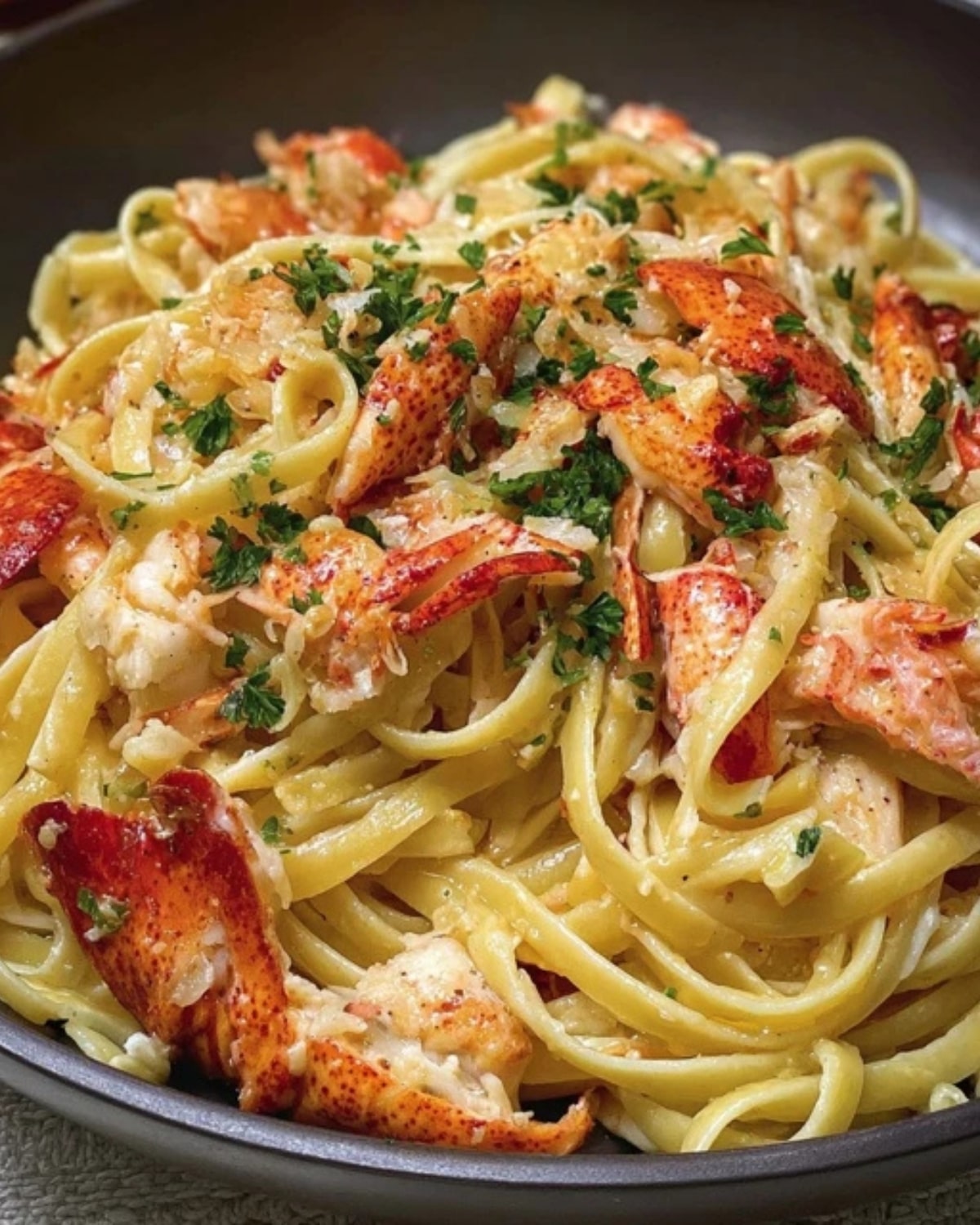
Lobster Pasta is the kind of dish that instantly feels luxurious. With tender lobster meat, silky pasta, and a rich, flavorful sauce, this seafood favorite transforms an ordinary dinner into something unforgettable. Whether you’re planning a romantic meal, celebrating a special occasion, or simply craving a restaurant-quality seafood dinner, Lobster Pasta delivers bold flavor and elegant presentation every time.
In this complete guide, you’ll learn how to make the best Lobster Pasta at home. We’ll cover how to cook lobster perfectly, choose the right pasta, build a creamy garlic sauce, and avoid common mistakes. By the end, you’ll feel confident preparing Lobster Pasta that tastes like it came from a fine Italian restaurant.
JUMP TO
Table of Contents
Why Lobster Pasta Is the Perfect Restaurant-Quality Meal at Home
The Rich, Sweet Flavor of Fresh Lobster
The star of Lobster Pasta is, of course, lobster. Unlike many other seafood options, lobster has a naturally sweet, delicate flavor with a firm yet tender texture. When cooked properly, it remains juicy and buttery without becoming chewy.
Because lobster pairs beautifully with cream, garlic, lemon, and fresh herbs, it works perfectly in pasta dishes. The sweetness of the lobster contrasts with savory ingredients, creating a balanced and satisfying bite.
Additionally, lobster cooks quickly, which makes Lobster Pasta surprisingly manageable for home cooks.
Why Lobster Pasta Feels Elegant Yet Simple
Although Lobster Pasta looks impressive, the technique is straightforward. The process typically includes:
- Cooking or steaming lobster tails
- Preparing a simple sauce
- Boiling pasta
- Combining everything together
Because the ingredients are high quality, you don’t need complicated seasoning. Simple flavors allow the lobster to shine.
This is why Lobster Pasta is often featured on special-occasion menus, yet it can easily be prepared in under an hour at home.
Creamy vs Tomato-Based Lobster Pasta Variations
There are two classic styles of Lobster Pasta:
- Creamy garlic butter lobster pasta
- Tomato-based lobster pasta with herbs
The creamy version offers richness and smooth texture, often using heavy cream, butter, and parmesan. Meanwhile, the tomato-based variation highlights acidity and freshness, typically using crushed tomatoes and basil.
In this guide, we’ll focus primarily on a creamy garlic Lobster Pasta because it is the most popular and widely loved version. However, variations will be discussed later in the article.
Ingredients for the Best Result
Choosing the right ingredients makes all the difference in Lobster Pasta. Because this dish relies on balance, quality matters.

Choosing Fresh or Frozen Lobster Tails
Fresh lobster is ideal if available. However, frozen lobster tails are widely accessible and work beautifully when properly thawed.
If using frozen lobster:
- Thaw overnight in the refrigerator
- Pat dry before cooking
- Avoid microwave thawing
Look for lobster tails that are firm, translucent, and free from strong odors.
For most Lobster Pasta recipes, 2–4 lobster tails (depending on size) are sufficient for 4 servings.
The Best Pasta Types for Lobster
While many pasta shapes work, long noodles are most popular. The best options include:
- Linguine
- Fettuccine
- Spaghetti
- Tagliatelle
These shapes allow the creamy sauce to coat each strand evenly while mixing beautifully with lobster pieces.
Short pasta like penne can also be used, but long pasta creates a more elegant presentation.
Creamy Garlic Sauce Ingredients
For classic creamy Lobster Pasta, you’ll need:
- Unsalted butter
- Fresh garlic
- Heavy cream
- Freshly grated parmesan cheese
- Lemon zest and juice
- Salt and black pepper
- Fresh parsley
Because lobster is delicate, avoid overpowering spices. Simple seasoning enhances rather than masks the flavor.
According to seafood cooking guidance from trusted culinary authorities like the National Fisheries Institute, seafood should be seasoned lightly and cooked quickly to preserve texture and taste. This principle is especially important when preparing Lobster Pasta.
Ingredient Substitutions and Helpful Swaps
You can customize Lobster Pasta while keeping it balanced:
- Substitute half-and-half for heavy cream for a lighter sauce
- Use gluten-free pasta if needed
- Add a pinch of red pepper flakes for subtle heat
- Incorporate fresh spinach for added color
However, avoid overly strong cheeses or sauces that could overpower the lobster’s sweetness.
How to Make Lobster Pasta Step by Step
Now that your ingredients are ready, let’s prepare restaurant-quality Lobster Pasta at home. Although this dish looks elegant, the process is simple when broken into clear steps. Because lobster cooks quickly, timing is key.
Preparing and Cooking the Lobster
If using raw lobster tails, start by thawing them completely in the refrigerator. Once thawed, use kitchen scissors to cut through the top shell lengthwise. Gently lift the lobster meat out and rest it on top of the shell while keeping it attached at the base. This technique ensures even cooking and beautiful presentation.
Bring a pot of salted water to a gentle boil. You can either:
- Boil lobster tails for 5–7 minutes until opaque
- Or steam them for 6–8 minutes
The lobster is fully cooked when the meat turns white and opaque, and the internal temperature reaches 140–145°F. Because overcooking makes lobster rubbery, remove it from heat as soon as it firms up.
Allow the lobster to cool slightly, then remove the meat from the shell and cut it into large bite-sized chunks. Set aside.
Cooking the Pasta to Al Dente Perfection
While the lobster cooks, bring a large pot of salted water to a rolling boil. Add your chosen pasta—linguine or fettuccine work beautifully for Lobster Pasta.
Cook according to package directions until al dente. Because the pasta will finish cooking in the sauce, avoid overcooking.
Before draining, reserve about 1 cup of pasta water. This starchy water helps create a silky sauce later.
Building the Creamy Garlic Sauce
In a large skillet over medium heat, melt:
- 3 tablespoons unsalted butter
Add:
- 3 cloves minced garlic
Sauté for about 1 minute until fragrant, but do not allow the garlic to brown.
Next, pour in:
- 1 cup heavy cream
Allow the cream to simmer gently for 4–5 minutes until slightly thickened. Then stir in:
- 1/2 cup freshly grated parmesan cheese
- Zest of 1 lemon
- 1–2 tablespoons fresh lemon juice
- Salt and black pepper to taste
Because Lobster Pasta relies on balance, taste the sauce and adjust seasoning carefully.
If the sauce becomes too thick, add a splash of reserved pasta water to loosen it.
Combining Everything for a Silky Finish
Add the drained pasta directly into the skillet with the sauce. Toss gently to coat.
Next, fold in the cooked lobster pieces and a handful of chopped fresh parsley. Stir carefully to avoid breaking the lobster meat.
Allow everything to warm together for 1–2 minutes. The result should be creamy, glossy Lobster Pasta with evenly distributed lobster chunks.
Serve immediately with extra parmesan and a squeeze of fresh lemon if desired.
Pro Tips for Perfect Lobster Pasta
Even though Lobster Pasta is simple, a few expert techniques ensure flawless results.
How to Avoid Overcooking Lobster
Overcooked lobster becomes tough and chewy. Therefore:
- Cook only until opaque
- Remove from heat promptly
- Avoid reheating too long in the sauce
Because lobster continues cooking slightly after removal from heat, it’s better to undercook slightly than overcook.
Getting a Smooth, Creamy Sauce
To achieve silky texture:
- Use freshly grated parmesan
- Simmer cream gently, not rapidly
- Add pasta water gradually
Starch from the pasta water helps bind the sauce to the noodles.
Balancing Garlic, Lemon, and Butter
Lobster Pasta should feel rich but not heavy. Lemon juice adds brightness, while garlic adds depth. However, neither should overpower the lobster.
According to seafood cooking guidelines from the National Fisheries Institute, seafood flavors shine best when seasoning enhances rather than masks natural sweetness.
Delicious Variations of Lobster Pasta
While creamy garlic Lobster Pasta is a favorite, you can easily create variations.
Lemon Butter Lobster Pasta
Skip the cream and increase butter slightly. Add extra lemon zest and fresh parsley for a lighter yet flavorful option.
Lobster Tomato Basil Pasta
Sauté garlic in olive oil, then add crushed tomatoes and fresh basil. Simmer briefly before tossing with pasta and lobster.
Spicy Lobster Pasta
Add a pinch of red pepper flakes to the garlic butter for subtle heat.
If you enjoy elegant seafood dinners, you might also explore other refined pasta recipes available on your site for complementary meal ideas.
How to Store and Reheat Lobster Pasta
Because Lobster Pasta contains seafood and cream, proper storage is important.
Refrigerator Storage Tips
Store leftovers in an airtight container in the refrigerator for up to 2 days.
Best Way to Reheat Without Drying Out
Reheat gently in a skillet over low heat. Add a splash of cream or milk to restore moisture. Avoid microwaving at high heat, as lobster can become rubbery.
Freezing is not recommended because cream sauces tend to separate.
Frequently Asked Questions About Lobster Pasta
Can I Use Frozen Lobster Tails?
Yes. Thaw overnight in the refrigerator before cooking.
What Sauce Goes Best with Lobster Pasta?
Creamy garlic butter sauce and light lemon butter sauce are the most popular options.
How Do You Know When Lobster Is Cooked?
Lobster turns opaque white and firms up when fully cooked.
What Pasta Shape Is Best for Lobster Pasta?
Linguine and fettuccine are ideal because they hold creamy sauces well.
Conclusion: Why You’ll Love Making Lobster Pasta at Home
Lobster Pasta combines tender lobster meat with silky pasta and rich sauce, creating a luxurious meal that feels restaurant-worthy. Yet, despite its elegance, Lobster Pasta is surprisingly simple to prepare at home.
Whether you choose a creamy garlic version or a lighter lemon butter variation, this dish delivers balanced flavor and impressive presentation. Once you master Lobster Pasta, you’ll have a go-to seafood recipe perfect for special occasions and elegant dinners alike.
PrintLobster Pasta – Creamy, Elegant & Restaurant-Style

Lobster Pasta is a creamy, elegant seafood dish made with tender lobster meat, garlic butter sauce, and perfectly cooked pasta. This restaurant-style recipe is surprisingly easy to prepare at home for special dinners or celebrations.
- Prep Time: 20 minutes
- Cook Time: 25 minutes
- Total Time: 45 minutes
- Yield: 4 servings
Ingredients
- 3–4 lobster tails (about 1 1/2 pounds total)
- 12 ounces linguine or fettuccine pasta
- 3 tablespoons unsalted butter
- 3 cloves garlic, minced
- 1 cup heavy cream
- 1/2 cup freshly grated parmesan cheese
- Zest of 1 lemon
- 1–2 tablespoons fresh lemon juice
- Salt, to taste
- Freshly ground black pepper, to taste
- 2 tablespoons chopped fresh parsley
Instructions
- Thaw lobster tails if frozen and pat dry.
- Using kitchen scissors, cut the top shell lengthwise and gently lift the lobster meat out, keeping it attached at the base.
- Bring a pot of salted water to a gentle boil and cook lobster tails for 5–7 minutes until opaque and firm (internal temperature 140–145°F).
- Remove lobster from water, cool slightly, then cut into large bite-sized pieces.
- Cook pasta in salted boiling water according to package directions until al dente. Reserve 1 cup of pasta water before draining.
- In a large skillet over medium heat, melt butter and sauté garlic for about 1 minute until fragrant.
- Add heavy cream and simmer gently for 4–5 minutes until slightly thickened.
- Stir in parmesan cheese, lemon zest, lemon juice, salt, and pepper. Adjust seasoning to taste.
- Add cooked pasta to the skillet and toss gently, adding reserved pasta water as needed to create a silky sauce.
- Fold in lobster pieces and parsley. Heat for 1–2 minutes until warmed through.
- Serve immediately with extra parmesan and a squeeze of fresh lemon if desired.
Notes
- Do not overcook lobster, as it can become rubbery.
- Use freshly grated parmesan for the smoothest sauce.
- Add reserved pasta water gradually to achieve desired sauce consistency.
- Store leftovers in the refrigerator for up to 2 days.
- Reheat gently on low heat with a splash of cream or milk to maintain texture.
Nutrition
- Serving Size: 1 serving
- Calories: 620 kcal
- Sugar: 3 g
- Sodium: 420 mg
- Fat: 32 g
- Saturated Fat: 18 g
- Unsaturated Fat: 11 g
- Trans Fat: 0 g
- Carbohydrates: 52 g
- Fiber: 3 g
- Protein: 32 g
- Cholesterol: 185 mg