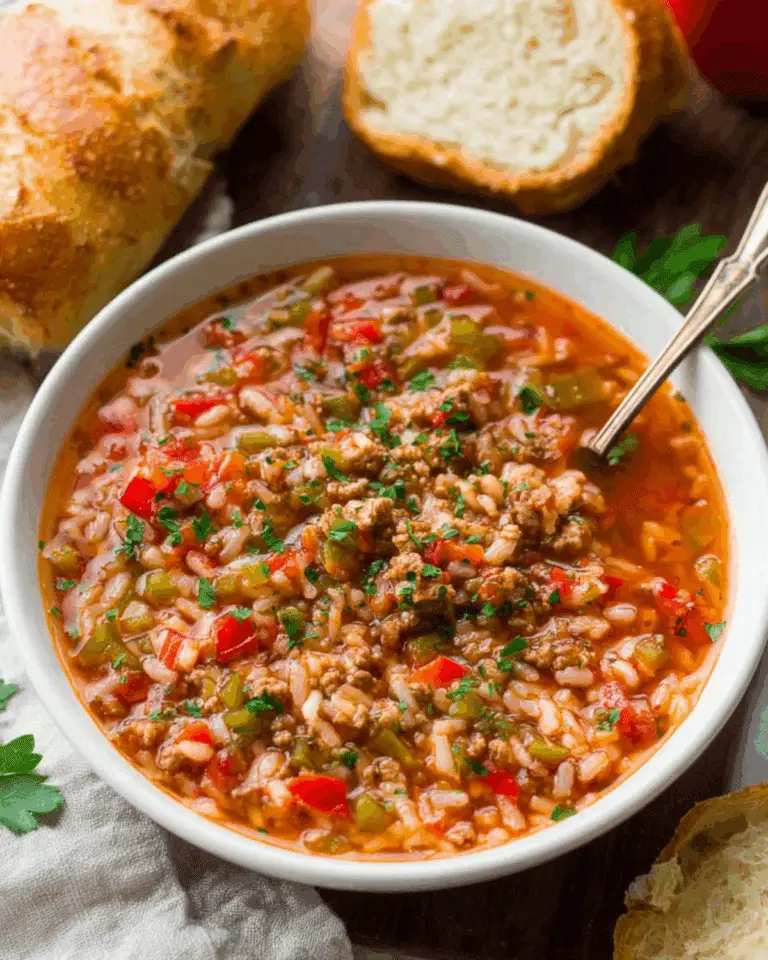

Jumbalia recipe lovers know this dish for its rich Creole flavor, hearty texture, and one-pot simplicity. Made with seasoned rice, protein, vegetables, and warm spices, jumbalia delivers classic Southern comfort in every bite. Because it’s cooked in one pot, the flavors blend deeply while cleanup stays easy.
In this article, you’ll learn what makes a jumbalia recipe special, how Creole-style jumbalia differs from other versions, and why it has remained a favorite across generations. As you continue reading, you’ll also discover ingredient tips, cooking techniques, and practical advice that help you make jumbalia confidently at home.
JUMP TO
Table of Contents
What Is a Jumbalia Recipe and Why It’s So Popular
A jumbalia recipe is a traditional Southern rice dish rooted in Creole cooking. Known for its bold seasoning and satisfying texture, jumbalia brings together simple ingredients to create a deeply flavorful meal.
The Creole Roots of Jumbalia
Jumbalia traces its origins to Louisiana Creole cuisine, which blends French, Spanish, and African influences. Creole cooking often features tomatoes, aromatic vegetables, and layered seasoning. As a result, Creole-style jumbalia usually includes a tomato base that gives the dish a slightly richer and brighter flavor.
Because Creole dishes were designed to feed families efficiently, jumbalia became a popular one-pot meal that stretched ingredients while delivering bold taste.
Jumbalia vs Jambalaya: Spelling and Style
Many people wonder whether jumbalia and jambalaya are the same dish. In most cases, they are. The spelling “jumbalia recipe” commonly appears in home cooking searches, while “jambalaya” is the traditional spelling used in cookbooks and restaurants.
Despite the spelling difference, the core dish remains the same: rice cooked with protein, vegetables, broth, and spices in one pot.
Why Jumbalia Remains a Southern Favorite
Jumbalia continues to be popular because it’s filling, flexible, and full of flavor. It allows cooks to adapt ingredients based on availability while maintaining its comforting character.
Because it reheats well and works for meal prep, jumbalia fits easily into modern kitchens while preserving its Southern roots.
Ingredients Needed for a Classic Jumbalia Recipe
A well-made jumbalia recipe relies on simple Creole ingredients that cook together to create bold, layered flavor. While there are variations, classic jumbalia follows a familiar structure that delivers reliable results every time.

Best Rice for Jumbalia
Long-grain white rice is the best option for a jumbalia recipe. It absorbs flavor well while remaining fluffy instead of sticky. Because the rice cooks directly in seasoned liquid, its texture is critical to the final dish.
Short-grain rice releases too much starch and can become gummy. Brown rice can be used, but it requires additional liquid and a longer cooking time.
Proteins Commonly Used in Jumbalia
Traditional jumbalia often includes chicken sausage, chicken, shrimp, or a combination of proteins. Chicken sausage is especially popular because it adds smoky flavor without being overly heavy.
Using more than one protein builds depth. However, browning the protein first is essential, as it creates the flavorful base of the dish.
Vegetables That Create Creole Flavor
Creole jumbalia starts with the classic vegetable base of onion, bell pepper, and celery. This trio forms the aromatic foundation of the dish and adds natural sweetness as it cooks.
Garlic enhances aroma, while tomatoes contribute richness and a slight tang that defines Creole-style jumbalia.
Seasonings That Define Jumbalia
Seasonings bring jumbalia to life. Paprika, thyme, cayenne pepper, bay leaf, salt, and black pepper are commonly used. Creole seasoning adds extra depth and warmth.
Spices should be added gradually, allowing the flavors to build without overpowering the dish.
How to Make Jumbalia Recipe Step by Step
Cooking a jumbalia recipe is straightforward, but following the proper order ensures balanced flavor and perfectly cooked rice.
Preparing Ingredients Before Cooking
Before starting, chop vegetables, slice chicken sausage, and measure spices. Rinse the rice briefly to remove excess starch, which helps prevent clumping.
Pat proteins dry before cooking so they brown properly rather than steam.
Building Flavor in the Pot
Heat oil in a large pot and brown the chicken sausage and any additional protein. Remove them and sauté vegetables in the same pot, allowing them to absorb the browned bits.
Add garlic and spices, stirring briefly until fragrant. Stir in tomatoes, then return the protein to the pot.
Simmering and Finishing the Dish
Add rice and broth, stirring well to coat the rice evenly. Bring the mixture to a gentle boil, then reduce heat, cover, and simmer until the rice is tender and liquid is absorbed.
Once cooked, let the jumbalia rest for a few minutes before serving. This resting time improves texture and flavor.
Creole vs Cajun Jumbalia Recipe Differences
Understanding the difference between Creole and Cajun styles helps you choose the version you enjoy most.
Tomato-Based Creole Jumbalia
Creole jumbalia includes tomatoes, which give the dish a red color and slightly tangy flavor. This style is common in New Orleans cooking and tends to be more aromatic.
Darker Cajun-Style Jumbalia
Cajun jumbalia usually skips tomatoes and relies on browned meat and spices for a deeper, smokier flavor. The rice appears darker as a result.
Choosing the Style You Prefer
If you enjoy brighter, saucier dishes, Creole jumbalia is a great choice. If you prefer deeper, rustic flavors, Cajun-style jumbalia may suit you better.
Tips for Perfect Jumbalia Every Time
A few simple techniques can elevate any jumbalia recipe.
Getting the Rice Texture Right
Measure liquid carefully and avoid stirring once the rice begins to cook. Letting the dish rest after cooking improves texture.
Balancing Spice and Seasoning
Season gradually and taste as you go. Creole seasoning can vary in salt and heat.
Common Mistakes to Avoid
Skipping the browning step or rushing the simmering process often results in flat flavor. Allowing time for flavors to build makes a noticeable difference.
Storage, Reheating, and Meal Prep Tips
A well-prepared jumbalia recipe stores exceptionally well, which makes it ideal for leftovers and meal prep. With proper storage, the flavor often improves after resting.
How Long Jumbalia Lasts
When stored in an airtight container, jumbalia lasts up to 4 days in the refrigerator. Because rice continues to absorb moisture, the texture may firm slightly over time. Adding a small splash of broth when reheating helps restore balance.
Always allow jumbalia to cool completely before refrigerating to maintain food safety.
Freezing and Reheating Jumbalia
Jumbalia freezes well, especially versions made with chicken sausage or chicken. Portion the cooled dish into freezer-safe containers and freeze for up to 3 months.
To reheat, thaw overnight in the refrigerator, then warm gently on the stovetop or in the microwave. Stir occasionally to ensure even heating.
Best Containers for Storage
Glass containers with tight-fitting lids work best for storing jumbalia. They preserve flavor and prevent odors. For freezing, use freezer-safe containers or heavy-duty bags labeled with dates.
Frequently Asked Questions About Jumbalia Recipe
Is Jumbalia the Same as Jambalaya?
Yes, jumbalia and jambalaya refer to the same dish in most cases. “Jumbalia recipe” is a common alternative spelling used in home cooking searches, while “jambalaya” is the traditional spelling.
Can Jumbalia Be Made Ahead?
Yes, jumbalia is an excellent make-ahead meal. The flavors deepen after resting, which often makes leftovers taste even better.
Is Jumbalia Spicy?
Jumbalia can be mild or spicy depending on seasoning. Adjusting cayenne pepper or Creole seasoning allows easy control over heat levels.
What Rice Works Best for Jumbalia?
Long-grain white rice works best because it absorbs flavor while staying fluffy. Short-grain rice tends to become sticky.
Conclusion: Why This Jumbalia Recipe Is Worth Making
A classic jumbalia recipe delivers bold Creole flavor, comforting texture, and one-pot convenience. Because it combines seasoned rice, protein, vegetables, and warm spices, it creates a satisfying meal that works for both busy weeknights and relaxed gatherings.
Its flexibility allows you to adjust ingredients and spice levels while preserving authentic Southern character. Once you master this recipe, jumbalia becomes a reliable favorite you’ll return to again and again.
PrintJumbalia Recipe – Easy Creole One-Pot Dinner

This jumbalia recipe is a Creole-style Southern one-pot dish made with chicken sausage, rice, tomatoes, vegetables, and bold spices for rich, comforting flavor.
- Prep Time: 15 minutes
- Cook Time: 30 minutes
- Total Time: 45 minutes
- Yield: 4 servings
Ingredients
- 1 tablespoon olive oil
- 12 oz chicken sausage, sliced
- 1 medium onion, chopped
- 1 green bell pepper, chopped
- 2 celery stalks, chopped
- 3 cloves garlic, minced
- 1 cup long-grain white rice
- 2 1/2 cups chicken broth
- 1 cup canned diced tomatoes
- 1 teaspoon paprika
- 1/2 teaspoon dried thyme
- 1/4 teaspoon cayenne pepper (optional)
- 1 bay leaf
- Salt and black pepper to taste
Instructions
- Heat olive oil in a large pot over medium heat.
- Add chicken sausage and cook until lightly browned.
- Add onion, bell pepper, and celery; cook until softened.
- Stir in garlic and cook for 30 seconds until fragrant.
- Add rice, paprika, thyme, cayenne, bay leaf, salt, and pepper; stir to coat the rice.
- Pour in chicken broth and diced tomatoes, stirring well.
- Bring to a boil, then reduce heat, cover, and simmer for 20–25 minutes until rice is tender.
- Remove bay leaf, let rest for 5 minutes, then fluff and serve.
Notes
- Chicken sausage adds smoky flavor without heaviness.
- Use long-grain rice to avoid a mushy texture.
- Adjust spice levels to taste.
- Let the dish rest briefly before serving for best results.
Nutrition
- Serving Size: 1 bowl
- Calories: 470 kcal
- Sugar: 5 g
- Sodium: 780 mg
- Fat: 16 g
- Saturated Fat: 4 g
- Unsaturated Fat: 10 g
- Trans Fat: 0 g
- Carbohydrates: 52 g
- Fiber: 4 g
- Protein: 26 g
- Cholesterol: 70 mg