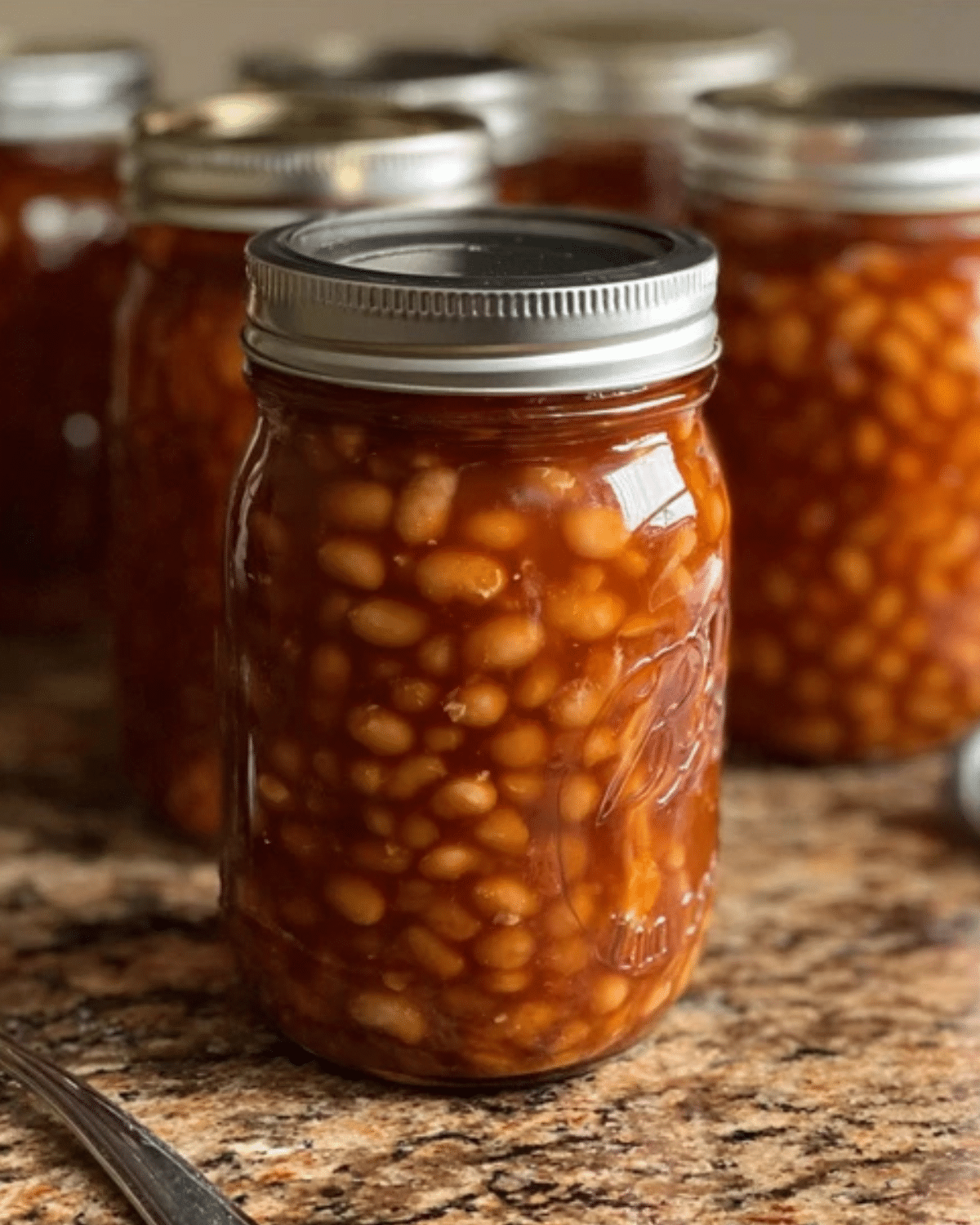
Home Canned Better Than Bush’s Baked Beans are rich, sweet, smoky, and deeply satisfying. If you love classic baked beans but want something even better than store-bought, this homemade version delivers bold flavor with simple ingredients. Even better, when you prepare home canned better than Bush’s baked beans properly, you can stock your pantry with shelf-stable jars ready for BBQs, potlucks, and weeknight dinners.
In this complete guide, you’ll learn how to make home canned better than Bush’s baked beans from scratch, including soaking dry beans, building a thick molasses sauce, and safely pressure canning for long-term storage.
JUMP TO
Table of Contents
Why Home Canned Better Than Bush’s Baked Beans Are So Popular
There’s something comforting about baked beans. However, making them at home takes flavor to a whole new level.
What Makes These Beans Better Than Store-Bought?
Home canned better than Bush’s baked beans stand out because:
- No preservatives
- Customizable sweetness
- Richer molasses flavor
- Adjustable smokiness
- Better texture control
Because you control the ingredients, you can reduce sugar, boost spices, or keep them vegetarian.
Flavor Profile of Home Canned Better Than Bush’s Baked Beans
The flavor balance is what makes these beans unforgettable:
- Sweet brown sugar
- Deep molasses richness
- Slight vinegar tang
- Warm mustard undertone
- Subtle smoky notes
This combination creates the signature taste people love in baked beans — only fresher and more vibrant.
Best Beans to Use
For home canned better than Bush’s baked beans, choose:
- Navy beans (classic choice)
- Great Northern beans
Dry beans are best because they hold up well during pressure canning and absorb sauce beautifully.
How to Make Home Canned Better Than Bush’s Baked Beans Step by Step
Making baked beans from scratch takes time, but the results are worth it.
Ingredients for Home Canned Better Than Bush’s Baked Beans
You’ll need:

- 2 large onions, finely chopped
- 4 pounds dry navy beans
- 4 cloves garlic, minced
- 2 cups brown sugar
- 1 cup molasses
- 2 cups ketchup
- ¼ cup yellow mustard
- ½ cup apple cider vinegar
- 2 teaspoons salt
- 1 tablespoon smoked paprika
Optional additions:
- Cooked chopped bacon (omit if keeping vegetarian)
Preparing the Beans
Proper preparation ensures tender, evenly cooked beans.
Step 1: Sort and Rinse
Sort through dry beans to remove debris. Rinse thoroughly under cold water.
Step 2: Soak Overnight
Place beans in a large pot and cover with water by 2 inches. Soak overnight (8–12 hours).
Quick Soak Option
If short on time:
- Boil beans for 2 minutes
- Remove from heat
- Cover and let sit 1 hour
Step 3: Parboil
Drain soaked beans. Cover with fresh water and simmer for 30 minutes.
Beans should begin softening but not fully cook.
Making the Sweet and Smoky Sauce
In a large bowl, combine:
- Brown sugar
- Molasses
- Ketchup
- Mustard
- Apple cider vinegar
- Salt
- Smoked paprika
Stir until smooth.
Because molasses is thick, mix thoroughly to distribute sweetness evenly.
Combining and Simmering
In a large stockpot:
- Add parboiled beans.
- Stir in chopped onion and garlic.
- Pour sauce mixture over beans.
- Add enough water to fully cover beans.
Bring mixture to a gentle simmer for 30–40 minutes.
The sauce should thicken slightly but remain pourable.
Avoid overcooking, as beans will continue cooking during pressure canning.
Why Pressure Canning Is Required
Because beans are low-acid foods, home canned better than Bush’s baked beans must be pressure canned for safety.
Water bath canning is not safe for beans.
Pressure canning ensures proper temperature to eliminate harmful bacteria.
Filling the Jars
Sterilize Jars
Wash jars in hot, soapy water and keep warm.
Fill Properly
Ladle hot beans and sauce into jars, leaving 1 inch headspace.
Remove air bubbles with a non-metal utensil.
Wipe rims clean and apply lids fingertip tight.
Pressure Canning Process
Place jars into pressure canner.
Process:
- Pints: 75 minutes at 10 pounds pressure
- Quarts: 90 minutes at 10 pounds pressure
(Adjust for altitude as needed.)
After processing:
- Turn off heat
- Allow pressure to drop naturally
- Remove jars and cool undisturbed 12–24 hours
You should hear lids seal as they cool.
Checking Seals
After cooling:
- Press the center of each lid
- If it does not flex, seal is secure
Refrigerate any jars that do not seal and use within one week.
Flavor Variations for Home Canned Better Than Bush’s Baked Beans
Once you’ve mastered the classic version, you can easily adjust home canned better than Bush’s baked beans to match your taste preferences. Because the base sauce is rich and balanced, small tweaks can create entirely new flavor profiles.
Spicy Baked Beans
If you enjoy heat, add:
- 1–2 teaspoons crushed red pepper flakes
- ½ teaspoon cayenne pepper
- Finely diced jalapeno
Stir spices into the sauce before simmering. However, remember that heat can intensify slightly during storage.
Maple Baked Beans
For a slightly different sweetness:
- Replace half the brown sugar with pure maple syrup
This gives home canned better than Bush’s baked beans a warm, subtle sweetness that pairs perfectly with grilled foods.
Low-Sugar Option
To reduce sugar:
- Cut brown sugar by one-third
- Add a little extra mustard for balance
- Increase smoked paprika for depth
Because molasses adds strong flavor, you can slightly reduce it without losing richness.
Vegetarian Version
Simply omit bacon and keep the recipe plant-based. Smoked paprika still delivers that classic smoky flavor without meat.
Storage and Shelf Life of Home Canned Better Than Bush’s Baked Beans
Proper storage ensures your home canned better than Bush’s baked beans remain safe and delicious.
Pantry Storage
Store sealed jars in a:
- Cool
- Dark
- Dry place
Avoid temperature fluctuations or direct sunlight.
Properly pressure-canned baked beans can last up to 12 months. For best quality, use within one year.
Signs of Spoilage
Before opening any jar, check for:
- Bulging lids
- Leaking seals
- Mold
- Off odors
- Unusual bubbling when opened
If anything appears suspicious, discard the jar immediately.
Nutritional Overview of Home Canned Better Than Bush’s Baked Beans
Homemade baked beans offer protein and fiber along with sweet flavor.
Estimated nutrition per ½ cup serving:
| Nutrient | Approximate Amount |
|---|---|
| Calories | 220–250 |
| Fat | 2g |
| Carbohydrates | 45g |
| Sugar | 18g |
| Fiber | 8g |
| Protein | 9g |
| Sodium | 350mg (varies by salt added) |
Because you control ingredients, home canned better than Bush’s baked beans can be adjusted for lower sodium or sugar.
Frequently Asked Questions About Home Canned Better Than Bush’s Baked Beans
Is pressure canning required?
Yes. Beans are low-acid foods, so pressure canning is necessary for safe preservation.
Can I use canned beans instead of dry?
Dry beans are strongly recommended for canning. Canned beans may become too soft after pressure processing.
Can I reduce the sugar?
Yes. Adjust sweetness to your preference, but maintain overall liquid consistency for safe processing.
Why are my beans thicker after canning?
Beans continue absorbing liquid during processing and storage. If too thick, simply add a splash of water when reheating.
Best Ways to Serve Home Canned Better Than Bush’s Baked Beans
These beans shine at:
- Summer BBQs
- Family cookouts
- Potlucks
- Holiday gatherings
Serve them alongside:
- Grilled chicken
- Burgers
- Cornbread
Because they’re already fully cooked, simply heat and serve.
Conclusion: Better Than Store-Bought, Every Time
Home canned better than Bush’s baked beans combine sweet molasses, savory mustard, and smoky depth into a rich, satisfying dish. By using dry beans and proper pressure canning techniques, you create a shelf-stable pantry staple that outshines store-bought options.
Whether you’re planning a backyard BBQ or stocking your pantry for busy months ahead, home canned better than Bush’s baked beans deliver bold flavor, reliable quality, and homemade comfort in every jar.
PrintHome Canned Better Than Bush’s Baked Beans: Sweet & Smoky

Home Canned Better Than Bush’s Baked Beans are sweet, smoky, and rich homemade beans made from dry navy beans and preserved safely using pressure canning. Perfect for BBQs, family dinners, and pantry storage.
- Prep Time: 12 hours (including soaking)
- Cook Time: 2 hours
- Total Time: 14 hours
- Yield: 7 quart jars
Ingredients
- 4 pounds dry navy beans
- 2 large onions, finely chopped
- 4 cloves garlic, minced
- 2 cups brown sugar
- 1 cup molasses
- 2 cups ketchup
- 1/4 cup yellow mustard
- 1/2 cup apple cider vinegar
- 2 teaspoons salt
- 1 tablespoon smoked paprika
- Water as needed to cover beans
- Optional: 1 cup cooked chopped bacon (omit for vegetarian version)
Instructions
- Sort and rinse dry navy beans, removing any debris.
- Soak beans overnight in water, covering by at least 2 inches.
- Drain beans, cover with fresh water, and simmer for 30 minutes until partially tender. Drain again.
- In a large bowl, mix brown sugar, molasses, ketchup, mustard, vinegar, salt, and smoked paprika.
- In a large stockpot, combine parboiled beans, onions, garlic, and sauce mixture. Add enough water to fully cover beans.
- Bring to a gentle simmer and cook for 30–40 minutes, stirring occasionally.
- Prepare pressure canner and sterilize jars.
- Ladle hot beans and sauce into jars, leaving 1 inch headspace.
- Remove air bubbles, wipe rims clean, and secure lids fingertip tight.
- Process pints for 75 minutes or quarts for 90 minutes at 10 pounds pressure (adjust for altitude).
- Allow pressure to return to zero naturally before removing jars.
- Cool jars undisturbed for 12–24 hours and check seals before storing.
Notes
- Pressure canning is required for safe preservation of beans.
- Do not overcook beans before canning, as they will continue cooking during processing.
- Store sealed jars in a cool, dark place for up to 12 months.
- Refrigerate any jars that do not seal and use within one week.
- Beans may thicken during storage; add water when reheating if needed.
Nutrition
- Serving Size: 1/2 cup
- Calories: 230 kcal
- Sugar: 18 g
- Sodium: 360 mg
- Fat: 2 g
- Saturated Fat: 0.3 g
- Unsaturated Fat: 1.5 g
- Trans Fat: 0 g
- Carbohydrates: 45 g
- Fiber: 8 g
- Protein: 9 g
- Cholesterol: 0 mg