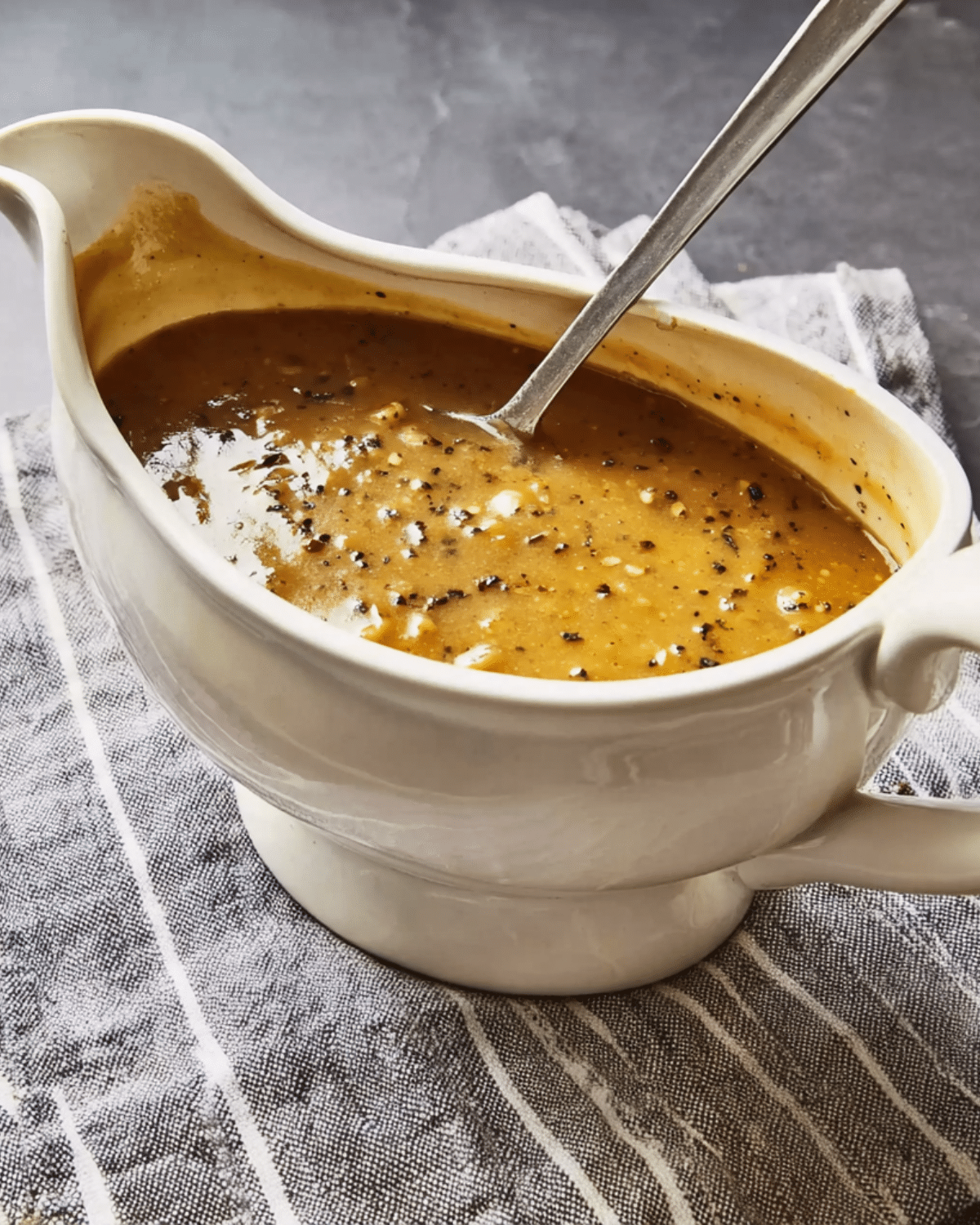
If you grew up in the South, you know that giblet gravy isn’t just another sauce—it’s the heart of every Thanksgiving feast. This rich, creamy gravy made from turkey giblets, drippings, and broth ties the entire meal together, bringing nostalgic flavors that store-bought gravies simply can’t match.
In this guide, we’ll walk you through every detail of making old-fashioned giblet gravy just like Grandma used to, from simmering the giblets to perfecting the roux. You’ll also learn time-saving tricks, ingredient swaps, and how to pair this gravy with your favorite holiday sides.
To make your Southern table even more complete, you can serve it alongside these oven-baked sweet potato fries for a sweet and savory balance that always delights.
JUMP TO
Table of Contents
What Is Giblet Gravy?
Giblet gravy is a traditional Southern sauce made from the turkey’s giblets—usually the neck, heart, liver, and gizzard. These flavorful parts are simmered in broth, chopped finely, and stirred into a smooth, golden roux. The result? A deeply savory gravy that’s rich, hearty, and full of character.
Why It’s a Holiday Essential
At Thanksgiving, giblet gravy isn’t just a condiment—it’s a tradition. It’s poured over turkey, dressing, and mashed potatoes, turning every bite into comfort on a plate. What makes it so special is its depth of flavor. The slow-simmered giblets infuse the broth with a taste that defines Southern home cooking.
The Secret Behind Its Signature Flavor
Unlike ordinary gravy, giblet gravy owes its unique richness to the natural collagen and fat in the giblets. When combined with pan drippings from roasted turkey, it becomes silky and full-bodied. The optional addition of chopped hard-boiled eggs gives it a comforting texture many Southerners can’t imagine the holidays without.
Ingredients for the Best Giblet Gravy
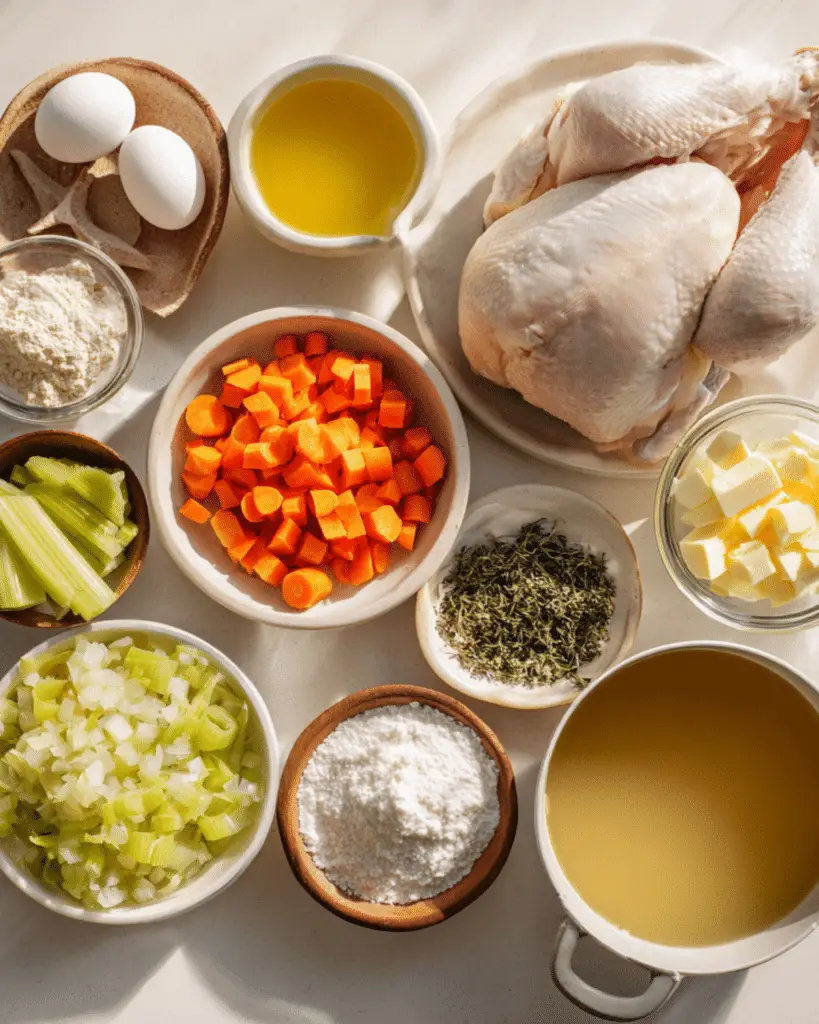
You don’t need complicated ingredients to make authentic giblet gravy. Here’s everything you’ll need:
| Ingredient | Quantity | Purpose |
|---|---|---|
| Turkey giblets (neck, liver, heart, gizzard) | 1 package | Creates a rich base flavor |
| Unsalted butter or turkey fat | 4 tbsp | Used for the roux |
| All-purpose flour | 4 tbsp | Thickens the gravy |
| Chicken or turkey broth | 3 cups | The main liquid base |
| Hard-boiled eggs (chopped) | 2 | Adds texture and authenticity |
| Salt and black pepper | To taste | Seasoning |
| Finely chopped onion (optional) | ½ cup | Boosts aroma and sweetness |
Pro Tip: Use Fresh Giblets
For the best results, always use fresh or properly thawed giblets. Frozen giblets can sometimes turn rubbery or bitter when cooked too long, especially the liver.
Step-by-Step: How to Make Southern Giblet Gravy
The beauty of homemade giblet gravy is that it’s simple once you understand the steps. Here’s the foolproof method for getting it right every time.
1. Simmer the Giblets
Place the giblets and turkey neck in a saucepan with four cups of water. Bring to a gentle boil, then lower to a simmer for about one hour. This slow simmer extracts every bit of flavor. Once tender, remove the giblets, chop them finely, and strain the broth. Keep both the chopped meat and broth aside.
2. Make a Golden Roux
In a separate pan, melt the butter or turkey fat over medium heat. Sprinkle in the flour and whisk continuously until the mixture turns light brown and smells nutty. This is your roux—the foundation of every great gravy.
3. Combine Broth and Roux
Slowly pour the reserved giblet broth into the roux, whisking constantly to prevent lumps. Let it cook for about five minutes until the sauce thickens to your preferred consistency.
4. Add the Chopped Giblets
Stir in the chopped giblets and let them simmer for a few minutes. This is where your gravy deepens in flavor and texture.
5. Add the Eggs (Optional but Traditional)
Finally, fold in the chopped hard-boiled eggs. It’s a signature move in many Southern kitchens that makes the gravy heartier and visually appealing.
Tips for Making the Perfect Giblet Gravy
Keep Your Roux Smooth
Never rush your roux. Whisking steadily ensures it doesn’t burn or clump. The secret is patience—the color should be golden, not dark brown.
Adjust the Consistency
If your gravy becomes too thick, whisk in a little more broth. Too thin? Let it simmer a few minutes longer. The texture should be silky enough to drizzle but thick enough to coat the back of a spoon.
Enhance with Drippings
After roasting your turkey, pour a few tablespoons of pan drippings into the gravy for a deeper, smokier taste. The natural fats enhance the richness beautifully.
Make It Ahead
You can make giblet gravy up to two days in advance. Store it in an airtight container in the refrigerator, then reheat gently on the stovetop before serving. Whisk in a splash of broth to bring it back to life.
Common Mistakes to Avoid When Making Giblet Gravy
Even seasoned cooks make small errors that can ruin texture or flavor. Avoid these pitfalls for the best results:
- Not Straining the Broth: Unstrained broth can lead to gritty gravy.
- Overcooking the Liver: Liver cooks faster than other giblets—remove it early to avoid bitterness.
- Undercooked Roux: A pale roux leaves a raw flour taste; brown it properly for flavor depth.
- Skipping Seasoning at the End: Taste after simmering—flavors concentrate as gravy thickens.
Perfecting giblet gravy takes a little patience, but once you’ve mastered it, your Thanksgiving table will never be without it again.
Serving Ideas, Storage, and Flavorful Variations for Giblet Gravy
Making the perfect giblet gravy is one thing—serving it in a way that elevates your entire meal is another. The beauty of this classic Southern gravy lies in its versatility. It pairs effortlessly with turkey, chicken, beef, and a wide range of comforting side dishes. Below, we’ll explore the best serving ideas, how to store and reheat it without losing flavor, and a few delicious recipe variations worth trying at home.
Best Ways to Serve Giblet Gravy
Whether it’s Thanksgiving, Christmas, or Sunday dinner, this Southern giblet gravy can take center stage on your table. Its deep, savory flavor and creamy texture make it the perfect finishing touch to any hearty meal.
1. Over Roasted Turkey and Dressing
Traditionally, giblet gravy is poured generously over sliced roasted turkey and homemade dressing (or stuffing). The rich broth and chopped giblets blend beautifully with the buttery bread and herbs, adding a nostalgic taste that defines the holidays.
2. On Mashed Potatoes or Rice
A spoonful of giblet gravy can transform simple mashed potatoes or steamed rice into pure comfort food. For a smoother pour, add a splash of broth during reheating to loosen the consistency.
3. With Roasted Meats
This gravy isn’t exclusive to turkey. It also complements dishes like roast beef tenderloin with horseradish sauce or even baked chicken. The hearty, savory undertones pair beautifully with rich cuts of meat.
4. As a Biscuit Gravy Alternative
In many Southern kitchens, leftover giblet gravy often finds its way to breakfast the next day. Serve it over warm, flaky biscuits for an indulgent twist on classic sausage gravy.
Make-Ahead and Storage Tips
Homemade giblet gravy stores well, making it an excellent make-ahead dish for holiday prep. Here’s how to keep it fresh and flavorful:
1. Refrigeration
Let the gravy cool to room temperature, then store it in an airtight container. It will stay fresh for up to 3 days in the refrigerator. To reheat, warm it gently on the stovetop, adding a few tablespoons of broth to restore its silky texture.
2. Freezing Giblet Gravy
If you want to save time during the busy holiday season, freeze your giblet gravy. Pour it into freezer-safe containers or bags and freeze for up to 3 months. Thaw overnight in the fridge before reheating. Whisk it gently while warming to maintain a smooth consistency.
3. Reviving Leftover Gravy
Reheated gravy can sometimes separate or thicken too much. The fix is simple: whisk in warm broth or a small pat of butter while heating on low. This brings it back to its original creamy texture without diluting flavor.
Popular Variations of Giblet Gravy
Southern cooks love to experiment with family traditions, and giblet gravy is no exception. Here are a few flavorful versions you can try to make it your own.
1. Chicken Giblet Gravy
If turkey giblets aren’t available, you can easily substitute chicken giblets. The process is the same, but the flavor is slightly milder and pairs perfectly with fried or roasted chicken.
2. Creamy Giblet Gravy
For a richer, creamier texture, stir in a half cup of heavy cream or evaporated milk right before serving. This creates a velvety smooth gravy that’s ideal for mashed potatoes or biscuits.
3. Gluten-Free Giblet Gravy
Swap the all-purpose flour for cornstarch or a gluten-free flour blend to make this dish gluten-free. Whisk slowly to prevent lumps, and you’ll have a silky gravy everyone can enjoy.
4. Smoky Giblet Gravy
Add a pinch of smoked paprika or a few drops of liquid smoke to give your gravy a deep, woodsy flavor. This works particularly well if you’re serving smoked turkey or grilled meats.
Pro Tips for Enhancing Flavor
1. Add Aromatics
Enhance your broth by simmering the giblets with aromatics like bay leaves, onion, celery, and a few peppercorns. This creates a foundation of flavor that makes all the difference.
2. Incorporate Pan Drippings
Never waste those golden drippings left in your roasting pan. Whisk a few tablespoons into your gravy for a richer, more robust taste that truly ties the whole meal together.
3. Use Quality Broth
Homemade turkey stock will always give the best flavor, but high-quality store-bought broth works just fine. Avoid low-fat or sodium-free versions unless you plan to season heavily.
Serving Inspiration for the Perfect Meal
To complete your Southern-inspired spread, serve this giblet gravy alongside dishes that balance its richness. Think buttery mashed potatoes, roasted vegetables, and tender meats. For a modern Southern pairing, try it with oven-baked sweet potato fries for a crispy, slightly sweet contrast that complements the savory gravy perfectly.
FAQs About Giblet Gravy
What are giblets made of?
Giblets are the edible organs of poultry, usually including the heart, liver, gizzard, and neck. They come packed with rich flavor and nutrients, making them ideal for homemade gravy.
Can I make giblet gravy without eggs?
Absolutely. While hard-boiled eggs are traditional in Southern giblet gravy, they’re optional. Skipping them gives a smoother, lighter texture, which some prefer when serving over mashed potatoes or rice.
Can I make giblet gravy ahead of time?
Yes — and you should if you’re hosting a big meal. Prepare your giblet gravy up to two days in advance. Store it in an airtight container in the refrigerator, then reheat gently on the stovetop with a splash of broth before serving.
How do I fix lumpy gravy?
If your gravy develops lumps, don’t panic. Simply strain it through a fine-mesh sieve or use an immersion blender to smooth it out. A consistent whisking motion while adding broth also helps prevent lumps in the first place.
Can I freeze giblet gravy?
Definitely. Cool the gravy completely before transferring it to freezer-safe containers or bags. It can be frozen for up to 3 months. When ready to use, thaw overnight in the refrigerator and reheat gently over low heat while whisking.
Can I make giblet gravy without giblets?
Yes, you can. While it won’t have the same depth of flavor, you can substitute cooked chicken or turkey pieces and use pan drippings with broth to achieve a similar savory taste.
Conclusion: Southern Giblet Gravy — A Tradition Worth Keeping
There’s something deeply comforting about a warm bowl of giblet gravy poured over roasted turkey or dressing. It’s a recipe that carries memories, connecting generations through the shared flavors of home and heritage.
From slow-simmered giblets to silky roux, every spoonful tells a story of patience, care, and Southern hospitality. Whether you’re making it for Thanksgiving, Christmas, or a Sunday family dinner, this recipe adds warmth and depth that truly completes the meal.
To round out your holiday spread, pair it with savory meats like roast beef tenderloin with horseradish sauce or crowd-pleasing sides such as oven-baked sweet potato fries — both complement the gravy’s richness perfectly.
Homemade giblet gravy isn’t just food — it’s tradition. A small act of love passed down through every Southern kitchen.
PrintGiblet Gravy

A rich and traditional Southern giblet gravy made from turkey giblets, broth, and a golden roux, perfect for Thanksgiving or any holiday feast.
- Prep Time: 15 minutes
- Cook Time: 1 hour 15 minutes
- Total Time: 1 hour 30 minutes
- Yield: 8 servings
- Category: Sauce, Thanksgiving
- Method: Stovetop
- Cuisine: Southern American
- Diet: Halal
Ingredients
- 1 package turkey giblets (neck, liver, heart, gizzard)
- 4 tbsp unsalted butter or turkey fat
- 4 tbsp all-purpose flour
- 3 cups chicken or turkey broth
- 2 hard-boiled eggs, chopped
- 1/2 cup finely chopped onion (optional)
- Salt and black pepper to taste
Instructions
- Place giblets and turkey neck in a saucepan with 4 cups of water. Simmer gently for about 1 hour until tender. Strain and chop the giblets finely; reserve the broth.
- In a separate pan, melt the butter or turkey fat over medium heat. Add the flour and whisk constantly to form a golden brown roux.
- Slowly add the reserved giblet broth to the roux while whisking continuously to prevent lumps. Let the gravy thicken for about 5 minutes.
- Stir in the chopped giblets and let them simmer for a few minutes to blend flavors.
- Fold in the chopped hard-boiled eggs, then season with salt and black pepper to taste.
- Serve hot over turkey, dressing, mashed potatoes, or biscuits.
Notes
- Use fresh or properly thawed giblets for the best flavor.
- Remove the liver early from simmering to prevent bitterness.
- Strain the broth before adding it to the roux for a smoother texture.
- For a creamier gravy, stir in 1/2 cup of heavy cream before serving.
- You can make giblet gravy up to two days ahead; store it in the fridge and reheat gently.
Nutrition
- Serving Size: 1/4 cup
- Calories: 110
- Sugar: 0g
- Sodium: 180mg
- Fat: 7g
- Saturated Fat: 3g
- Unsaturated Fat: 4g
- Trans Fat: 0g
- Carbohydrates: 6g
- Fiber: 0g
- Protein: 4g
- Cholesterol: 95mg