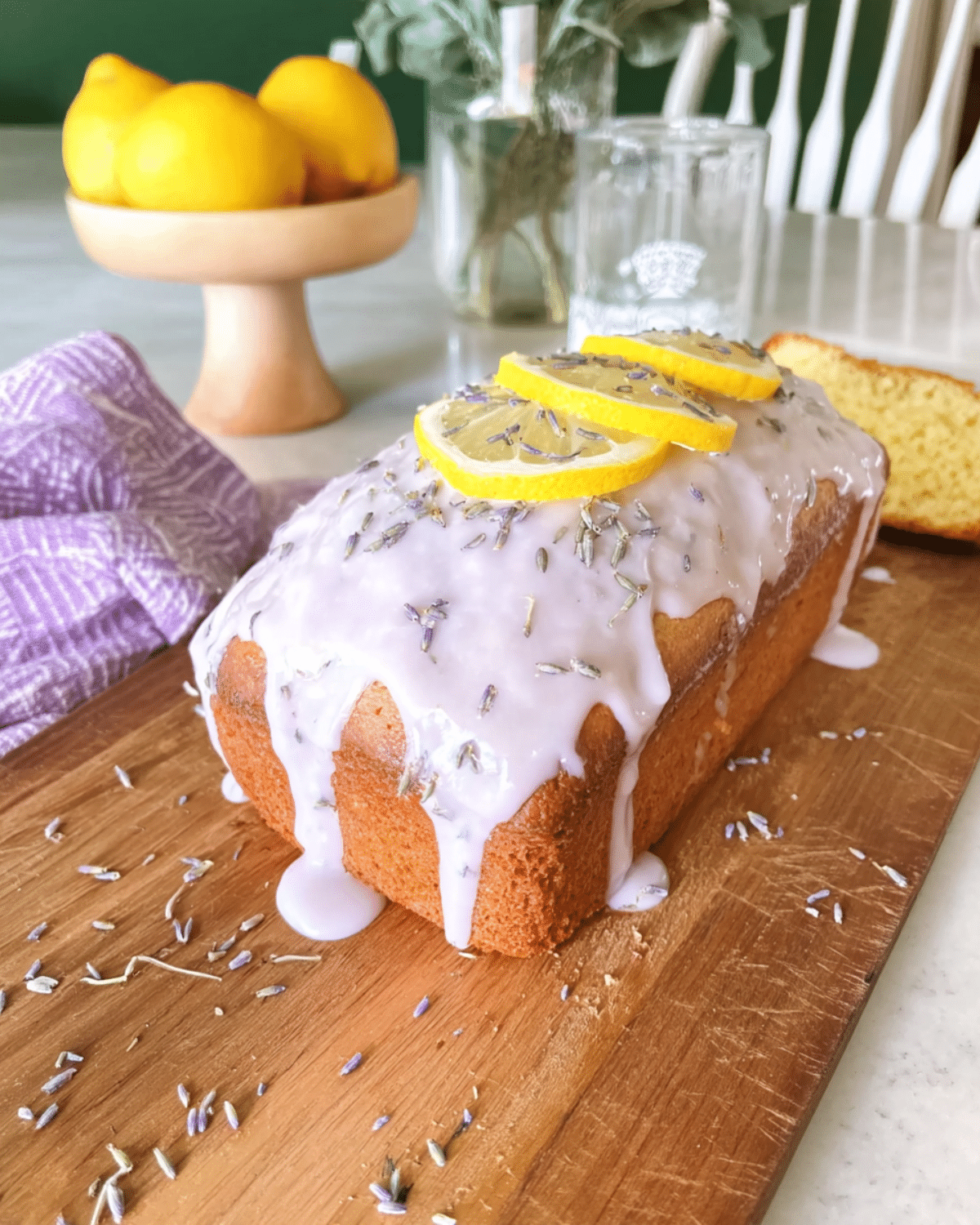
If you’re looking for a bakery-style treat that’s both elegant and easy to make at home, this Delicious Lemon Lavender Loaf is your new go-to. Lightly floral, citrusy, and topped with a glossy lavender glaze, it’s a showstopper that’s as beautiful as it is flavorful. Whether you’re baking for spring brunch, Mother’s Day, or just need a comforting loaf to pair with tea, this recipe delivers every single time. And if you’re a lemon dessert fan, don’t miss our Lemon Crinkle Cookies recipe for more tangy inspiration.
JUMP TO
Table of Contents
Why This Lemon Lavender Loaf Is a Must-Bake
Aromatic Pairing of Citrus and Floral
There’s something magical about combining zesty lemons with delicate lavender. This loaf layers flavor in a way that’s subtle yet unforgettable. The lemon zest brightens every bite, while culinary lavender adds a calming floral note without overpowering the loaf. It’s a natural springtime or summer dessert—refreshing and light, yet satisfying.
Lavender isn’t just about aroma; it’s a well-known calming herb. When used properly—like in this recipe—it infuses the loaf with a sweet, floral whisper that plays beautifully against tart lemon juice.
Not Too Sweet, Perfectly Moist
Some loaves come out dry or overly sugary, but this one strikes the perfect balance. Thanks to yogurt (or sour cream), eggs, and infused oil, the texture remains soft and moist without feeling heavy. And the sweetness? Just enough to let the lemon and lavender shine.
The included glaze adds a touch of sweetness and an optional hint of color with purple food coloring—making it perfect for events or gifting.
Inspired by Proven Techniques
Instead of just tossing lavender into the batter, this recipe uses a blooming technique. The lavender is steeped in hot oil, then strained before mixing, allowing its flavor to infuse deeply without grit or bitterness. This oil bloom method prevents the overpowering taste that comes from using dried lavender incorrectly.
Another clever touch? Adjusting oven temperature intentionally. Want a crack down the loaf for a rustic café-style finish? Bake it hotter and let the loaf rise rapidly. Prefer a smooth top for gifting? Lower the temp and bake longer. Either way, it’s foolproof.
Looking for inspiration? Try our rustic-style Cinnamon Apple Bread that also uses flavor infusions for next-level results.
Ingredients and Substitutions That Work Best
Must-Have Ingredients
This loaf doesn’t skimp on flavor. The essentials are:
- Vegetable oil: Neutral and won’t overpower the lavender. Skip olive or sunflower oils.
- Eggs: Vital for structure and lift—no real substitutes here.
- Yogurt or sour cream: Adds moisture without making the loaf too rich.
- Lemon zest and juice: Use fresh lemons for vibrant flavor.
- Culinary-grade lavender: Never use crafting lavender—it contains stems and can taste bitter.
Check out this peach brioche recipe for another example of baking with high-moisture ingredients that create rich, soft textures.
Smart Ingredient Swaps
You can swap sour cream for full-fat yogurt—they yield nearly identical results. But butter or olive oil? They tend to dull the delicate floral notes. Stick with vegetable, canola, or even avocado oil for a light crumb.
Food coloring is optional, but if you want that purple “wow factor,” use a drop of gel color instead of mixing red and blue (which can turn brown).
Optional Add-Ins and Visual Enhancers
Add-ins are entirely up to you. Some bakers fold in poppy seeds or a touch of vanilla extract for depth. A small splash of almond extract also plays nicely with lavender.
For the glaze, mixing royal icing with confectioner’s sugar gives a glossy, professional look—and avoids that powdery, soapy aftertaste plain sugar can bring.
Don’t miss our Coffee Cake Cookies for another recipe where glaze texture can make or break the final look.
How to Make the Perfect Lemon Lavender Loaf
Lavender Oil Blooming Technique
The first step in creating this moist, aromatic loaf is infusing the oil with lavender—a simple but essential process that ensures smooth flavor distribution. Start by heating your choice of neutral oil (vegetable, canola, or avocado work best) in a small saucepan. Stir in the culinary-grade lavender and cover with a lid. Remove from heat and let it steep for 20 minutes. This step releases the floral oils from the lavender without burning or browning it. Once cooled, strain the lavender buds and reserve the oil. It’ll be lightly fragrant, golden, and ready to transform your batter.
Mixing and Baking Steps
Preheat your oven to 400°F if you want that cracked, rustic loaf top. For a smooth finish, go with 325–350°F and extend the baking time. Line a standard loaf pan with parchment and lightly butter the sides to prevent sticking.
Using a stand or hand mixer, beat together sugar and lemon zest until the sugar is slightly yellow and fragrant. This step brings out citrus oils that make the batter pop. Add the eggs one at a time, mixing on high until fluffy. Slowly drizzle in the lavender-infused oil, then reduce mixer speed and add the dry ingredients (all-purpose flour, baking powder, and salt) in small increments.
As the batter thickens, fold in the fresh lemon juice and yogurt to achieve a smooth consistency. It should pour easily but not be runny. Transfer it to the prepared pan and bake for approximately 90 minutes or until a skewer inserted in the center comes out clean.
Need another idea for a light summer bake? Discover great ideas like our Easy Fresh Peach Fritters—they also use fruit-forward techniques that shine.
Creating and Applying the Glaze
Let the loaf cool completely before glazing. The glaze is a perfect balance of sweetness and citrusy zing. Combine equal parts royal icing and powdered sugar with a touch of lemon juice and hot water. Stir slowly—add liquids just a teaspoon at a time. The goal is a thick glaze that pours like honey, not water.
Add one drop of purple gel food coloring if you want a beautiful pastel finish. Avoid red/blue blends—they’ll turn gray or brown. Once glazed, sprinkle a little lavender on top for a professional look.
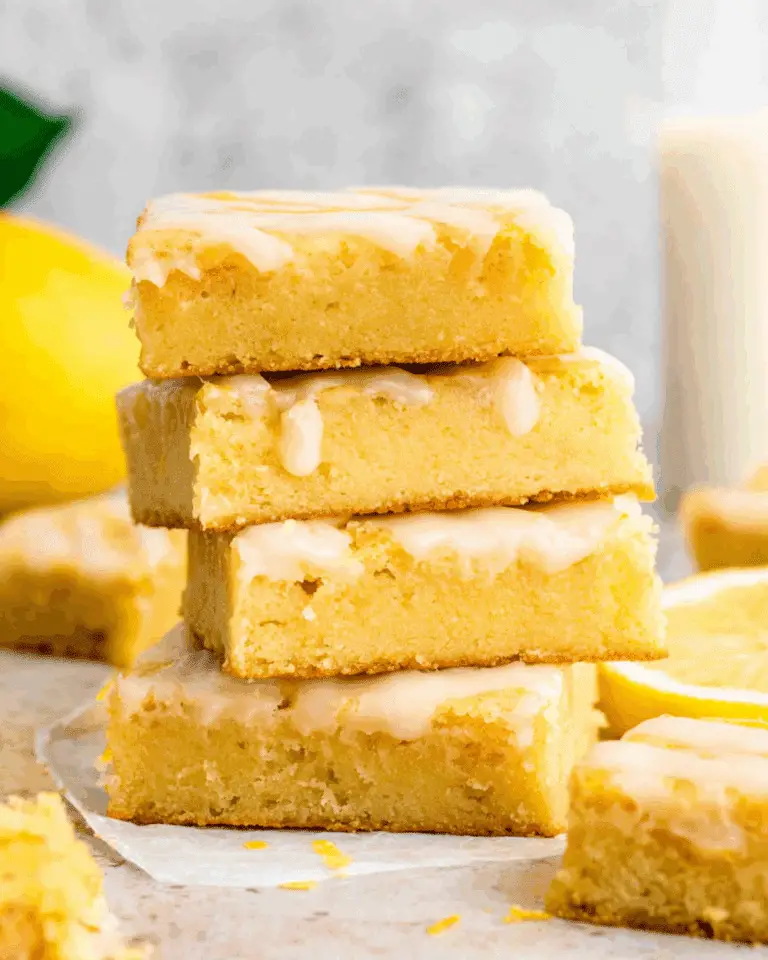
Looking for a tangy glaze twist? Don’t miss our Lemon Brownie Bars that feature a citrus glaze with punchy flair.
Expert Tips for Success Every Time
Baking Temperature Adjustments
This loaf can be customized just by how you bake it. Want that Instagram-worthy crack on top? Bake at 400°F. Prefer a smooth dome for gifting? Lower to 325°F and add 10–15 minutes of bake time. Every oven differs, so do a skewer test—clean means done.
Check out our rustic Pumpkin Bundt Cake for more baking style variations based on oven temps and cake shape.
Lavender Type and Quality
Always use culinary-grade lavender. Crafting lavender might include stems and husks that make the loaf taste bitter and soapy. Culinary lavender is dried, sifted, and food-safe. You can grow your own, but it’s also widely available online and in health food stores.
If you’ve never baked with lavender, start small—you can always increase next time. The goal is to enhance, not overpower.
Common Mistakes to Avoid
Some ingredients just don’t swap well here. Eggs, for instance, are non-negotiable. They provide structure and aeration—applesauce or flaxseed just won’t cut it.
Another trap is overmixing your glaze or adding too much liquid. This will cause it to slide off your loaf instead of setting on top. Be patient—add liquids one spoon at a time.
And don’t skip the oil blooming step. Tossing dried lavender straight into the batter can result in chewy bits and uneven flavor.
Pairings and Serving Suggestions
Best Teas and Coffees to Serve With
The Delicious Lemon Lavender Loaf pairs beautifully with soft, fragrant teas and smooth coffees. Earl Grey is the top choice—it has bergamot, which enhances both the lemon and floral notes in the loaf. Lightly roasted coffee or a creamy café au lait also works wonderfully if you want something richer.
You can even try pairing it with herbal infusions like chamomile or mint for a more calming afternoon break. Hosting a garden party? Serve chilled lavender lemonade or a floral white sangria alongside each slice for an elegant touch.
How to Style It for Gifting or Entertaining
If you’re baking this for guests, slice and serve it on a wooden board with edible flowers and lemon slices. For gifting, wrap the cooled loaf in parchment paper, tie it with twine, and tuck in a dried lavender sprig.
Add a handwritten note with serving suggestions or tea pairings—it adds a personal, thoughtful touch that’ll make your homemade treat unforgettable.
Looking for inspiration? Try our Coffee Cheesecake Recipe for another sweet delight that’s perfect for entertaining or as a hostess gift.

FAQs About Lemon Lavender Loaf
Can I make it dairy-free or gluten-free?
Yes, you can! Swap the yogurt with a full-fat plant-based alternative like coconut yogurt, and use a 1:1 gluten-free flour blend. Just be sure it contains xanthan gum or similar for binding. Keep in mind, texture may be slightly different, but flavor holds strong.
How long does it stay fresh and how to store it?
Store the loaf in an airtight container at room temperature for up to 3 days. If glazed, refrigerate it to prevent melting—up to 5 days. For best texture, let it return to room temp before serving.
Can I freeze the loaf or the batter?
The loaf freezes well. Wrap slices in parchment, then place in a freezer bag. Thaw at room temp and glaze fresh if possible. Avoid freezing the batter—it may affect rise and texture.
What type of lavender should I never use?
Avoid any lavender not labeled “culinary grade.” Craft or decorative lavender contains stems, leaves, and non-edible oils that can ruin the taste and texture—and possibly your digestion.
Conclusion – A Stunning Loaf That Never Fails to Impress
From its glossy lavender glaze to the subtle citrusy crumb, this Delicious Lemon Lavender Loaf brings flavor and flair to your baking routine. It’s a dreamy dessert that’s surprisingly easy to make, and versatile enough for brunches, birthdays, or a solo Sunday with tea.
Don’t miss our Blueberry Lemonade Recipe for another fresh, floral-inspired treat to try this season.
PrintDelicious Lemon Lavender Loaf

A moist, fragrant lemon lavender loaf infused with culinary lavender and topped with a glossy lemon glaze—perfect for spring or elegant gatherings.
- Prep Time: 20 minutes
- Cook Time: 1 hour 30 minutes
- Total Time: 1 hour 50 minutes
- Yield: 8 servings
- Category: Dessert
- Method: Baking
- Cuisine: American
- Diet: Vegetarian
Ingredients
- 3/4 cup vegetable oil
- 1 tbsp lemon zest (approx. 2 lemons)
- 1 tsp culinary-grade lavender
- 2 1/2 cups all-purpose flour
- 1 1/2 cups granulated sugar
- 1/4 tsp salt
- 3 eggs
- 1 1/2 tsp baking powder
- 3/4 cup yogurt or sour cream
- 2/3 cup lemon juice (approx. 2 lemons)
- 1 cup confectioners sugar
- 1 cup royal icing
- 1 tsp lemon juice (for glaze)
- 2-3 tbsp hot water
- 1 tsp vanilla extract
- 1 tsp culinary-grade lavender (for glaze)
- 3-4 drops purple food coloring (optional)
Instructions
- In a small saucepan, heat the oil and lavender until hot but not sizzling. Cover and steep for 20 minutes. Strain and let cool.
- Preheat oven to 400°F for rustic crack or 325°F for a smooth top. Line and butter a loaf pan.
- In a mixer, beat sugar and lemon zest until combined. Add eggs one at a time, beating until fluffy. Slowly mix in the cooled lavender oil.
- Reduce speed and add flour, salt, and baking powder gradually. Stir in lemon juice and yogurt until batter is smooth.
- Pour into loaf pan and bake for 1 hour 30 minutes, or until a skewer comes out clean.
- Cool completely before glazing.
- To make the glaze, combine royal icing and powdered sugar. Add lemon juice, hot water, and vanilla a teaspoon at a time until glaze is smooth and thick. Add food coloring if desired.
- Drizzle glaze over cooled loaf and optionally sprinkle more lavender on top.
Notes
- Use only culinary-grade lavender for best flavor and safety.
- Vegetable oil is preferred; avoid strong-flavored oils like olive or sunflower.
- To achieve a cracked top, bake at a higher temperature.
- Loaf can be wrapped and frozen after baking (without glaze).
Nutrition
- Serving Size: 1 slice
- Calories: 320
- Sugar: 28g
- Sodium: 120mg
- Fat: 14g
- Saturated Fat: 2g
- Unsaturated Fat: 11g
- Trans Fat: 0g
- Carbohydrates: 42g
- Fiber: 1g
- Protein: 5g
- Cholesterol: 55mg