Corned Beef is a classic comfort food known for its rich flavor, tender texture, and satisfying bite. Whether served with cabbage and potatoes or piled high on a sandwich, corned beef has earned its place at family dinners across the United States.
Making corned beef at home may sound intimidating at first. However, once you understand the brining and cooking process, it becomes surprisingly simple. In this complete guide, you’ll learn what corned beef really is, how to prepare it step by step, and how to serve it perfectly every time.
JUMP TO
Table of Contents
What Is Corned Beef and Why Is It So Popular?
The History Behind Traditional Corned Beef
Corned beef has deep roots in food history. The term “corned” refers to large grains of salt — also called “corns” of salt — that were historically used to cure beef.
Although many people associate corned beef with Irish cuisine, it became especially popular in America through Irish immigrants. Over time, corned beef evolved into a beloved staple at celebrations and family gatherings.
Because it’s hearty and flavorful, corned beef remains a comfort food favorite even today.
What “Corned” Really Means
The word “corned” doesn’t refer to corn at all. Instead, it describes the curing process. Large salt crystals preserve the beef while also infusing it with flavor.
Typically, brisket is soaked in a seasoned brine that includes salt, sugar, and spices like coriander, mustard seeds, bay leaves, and peppercorns.
As a result, the meat develops its signature pink color and savory taste.
Different Cuts Used for Corned Beef
Corned beef usually comes from beef brisket. There are two main cuts:
- Flat cut: Leaner and slices neatly
- Point cut: More marbled and flavorful
Because brisket contains connective tissue, slow cooking is essential. However, when cooked properly, corned beef becomes fork-tender and juicy.
Why Corned Beef Remains a Comfort Food Favorite
Corned beef delivers bold, savory flavor that pairs well with simple sides. Its tender texture and rich seasoning make it satisfying without being complicated.
According to the USDA, brisket is a flavorful cut that benefits greatly from slow cooking methods, which explains why corned beef tastes best when cooked low and slow.
Additionally, corned beef is versatile. You can serve it traditionally, use it in sandwiches, or transform leftovers into hash.
How to Make Corned Beef at Home (Step-by-Step)
Ingredients You’ll Need for Classic Corned Beef
Here’s a traditional homemade corned beef setup:

| Ingredient | Purpose |
|---|---|
| 4–5 lb beef brisket | Main cut |
| 1 cup kosher salt | Brining |
| 1/2 cup brown sugar | Balance |
| 1 tablespoon pink curing salt (optional) | Color preservation |
| 1 tablespoon mustard seeds | Flavor |
| 1 tablespoon coriander seeds | Aroma |
| 2 bay leaves | Depth |
| 1 teaspoon black peppercorns | Spice |
| 4 garlic cloves | Savory base |
| Water (enough to submerge brisket) | Brine liquid |
Preparing the Brine and Curing Process
First, combine water, salt, sugar, and spices in a large pot. Heat gently until salt dissolves. Then allow the brine to cool completely.
Next, submerge the brisket fully in the cooled brine. Refrigerate for 5–7 days. Turn the brisket daily to ensure even curing.
Because curing requires patience, planning ahead is essential.
Cooking Methods: Stovetop, Slow Cooker, and Oven
After curing, rinse the brisket thoroughly.
For stovetop cooking:
Place brisket in a large pot, cover with water, and simmer gently for 3–4 hours.
For slow cooker:
Cook on low for 8–9 hours.
For oven:
Wrap tightly in foil with a bit of liquid and bake at 325°F for about 3–4 hours.
Low and slow cooking ensures tender corned beef every time.
How to Know When Corned Beef Is Perfectly Tender
The meat should be fork-tender but not falling apart. Internal temperature should reach about 190–200°F for ideal tenderness.
After cooking, let the corned beef rest for at least 15 minutes before slicing. This helps retain juices.
Best Ways to Serve Corned Beef
Once your corned beef is tender and juicy, the fun really begins. Because this classic dish is so versatile, you can serve it in several delicious ways. Whether you prefer traditional plates or creative leftovers, corned beef fits the table beautifully.
Classic Corned Beef and Cabbage
First and foremost, corned beef and cabbage remains the most traditional way to enjoy this dish. After the corned beef finishes cooking, simply add cabbage wedges, carrots, and potatoes to the same pot.
As the vegetables simmer, they absorb the savory broth. Consequently, every bite feels hearty and comforting. Slice the corned beef against the grain, then serve it alongside the tender vegetables for a complete meal.
Corned Beef Sandwiches and Sliders
If you love deli-style meals, corned beef sandwiches are hard to beat. Layer thin slices of corned beef on rye bread with mustard or sauerkraut.
Because the brisket slices beautifully when cut correctly, sandwiches turn out tender rather than chewy. For gatherings, mini sliders make a fantastic option. Simply stack corned beef on small rolls and warm briefly before serving.
Corned Beef Hash Ideas
Leftover corned beef transforms easily into a crispy hash. Dice the meat and sauté it with potatoes and onions until golden brown.
As the edges crisp, the flavor deepens. Many people enjoy topping corned beef hash with a fried egg for breakfast or brunch. Therefore, this dish works any time of day.
Leftover Corned Beef Storage Tips
Store cooked corned beef in an airtight container in the refrigerator for up to 4 days. If you need longer storage, freeze sliced portions for up to 2 months.
When reheating, add a splash of broth or water to prevent drying out. That way, your corned beef stays moist and flavorful.
Tips for Tender, Juicy Corned Beef Every Time
Although corned beef is straightforward, a few expert tips can elevate your results significantly.
Choosing the Right Brisket Cut
Flat cut brisket slices neatly and works best for sandwiches. On the other hand, point cut contains more fat and offers richer flavor.
Because fat melts during cooking, it helps keep corned beef juicy. However, trimming excess surface fat prevents greasy texture.
Low and Slow Cooking Secrets
Corned beef requires patience. Cooking at a gentle simmer breaks down connective tissue without drying the meat.
If the heat is too high, the brisket may become tough. Therefore, always maintain a slow, steady temperature.
According to the USDA, beef brisket benefits from slow cooking methods to reach optimal tenderness and safe internal temperature.
Slicing Corned Beef Properly
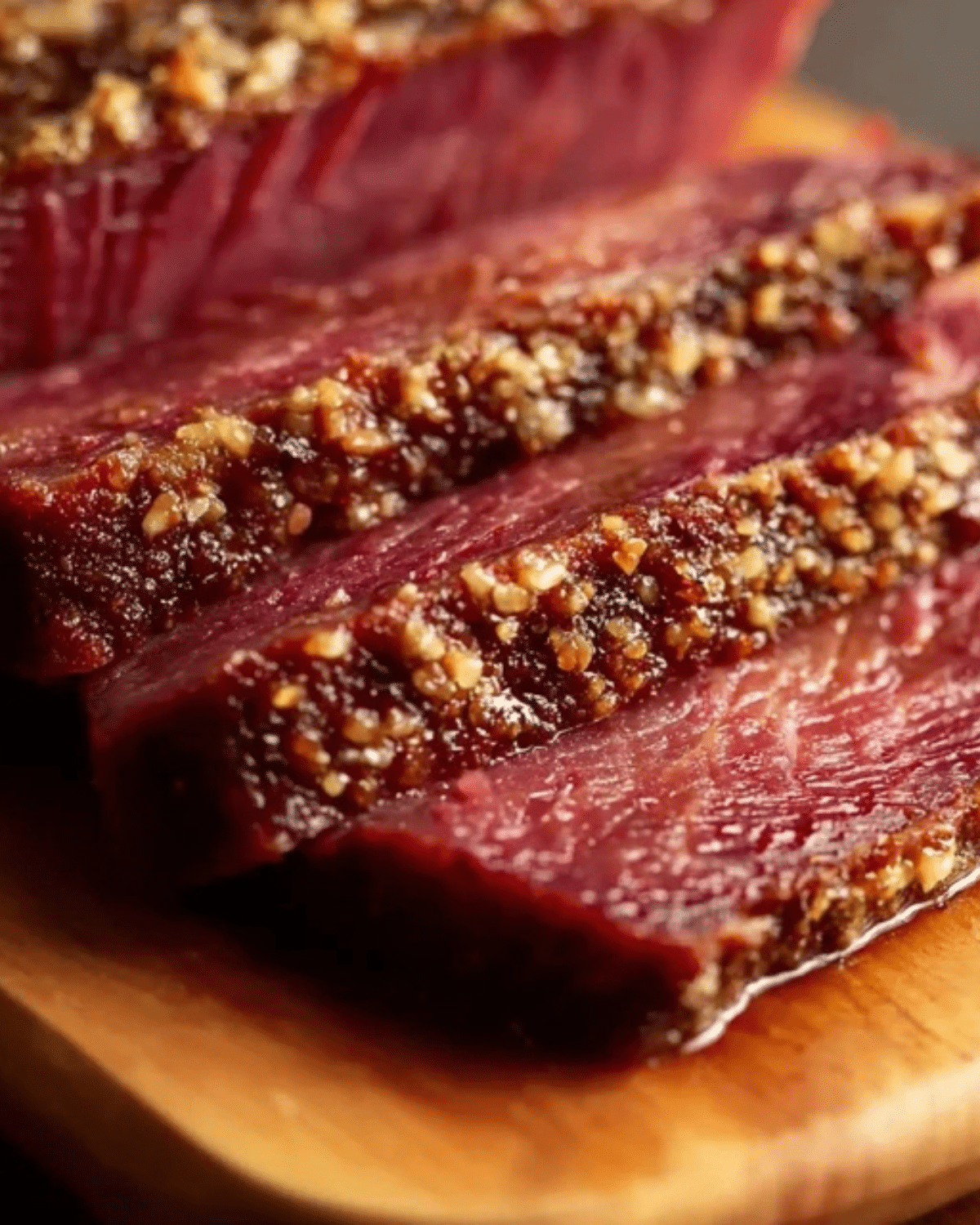
Always slice corned beef against the grain. This shortens muscle fibers and creates tender bites.
If you slice with the grain, the meat will feel chewy. So, before cutting, examine the direction of the muscle lines carefully.
Common Mistakes to Avoid
- Boiling aggressively instead of simmering
- Skipping the resting period
- Not rinsing excess brine before cooking
- Overcooking until the meat falls apart
By avoiding these mistakes, your corned beef will stay juicy and flavorful.
FAQs About Corned Beef
Is corned beef already cooked?
Store-bought corned beef is typically cured but not fully cooked. Therefore, you must cook it thoroughly before serving.
How long should I cook corned beef?
On the stovetop, cook for about 3–4 hours. In a slow cooker, allow 8–9 hours on low. Cooking time depends on brisket size.
Why is my corned beef tough?
Corned beef becomes tough if cooked too quickly or sliced incorrectly. Always cook low and slow, and slice against the grain.
Can I freeze cooked corned beef?
Yes. Wrap tightly and freeze for up to 2 months. Thaw in the refrigerator before reheating gently.
Final Thoughts on Homemade Corned Beef
In the end, corned beef is a timeless dish that delivers bold flavor and satisfying texture. Although the curing process requires planning, the results are worth every step.
Because it’s versatile, corned beef works for traditional dinners, hearty sandwiches, or creative leftovers. When prepared carefully and cooked low and slow, it becomes incredibly tender and rich.
So gather your brisket, prepare your brine, and enjoy homemade corned beef that’s both comforting and unforgettable.
PrintCorned Beef: Tender & Flavorful Homemade Recipe

Corned Beef is a tender and flavorful brisket cured in a seasoned brine and cooked low and slow until perfectly juicy. This classic comfort food is ideal for family dinners, sandwiches, or hearty traditional meals.
- Prep Time: 20 minutes
- Cook Time: 4 hours
- Total Time: 7 days 4 hours
- Yield: 8 servings
Ingredients
- 4–5 lb beef brisket (flat or point cut)
- 1 cup kosher salt
- 1/2 cup brown sugar
- 1 tablespoon pink curing salt (optional)
- 1 tablespoon mustard seeds
- 1 tablespoon coriander seeds
- 2 bay leaves
- 1 teaspoon black peppercorns
- 4 garlic cloves, smashed
- 4–5 quarts water (enough to fully submerge brisket)
Instructions
- In a large pot, combine water, kosher salt, brown sugar, and spices. Heat gently until the salt dissolves, then cool completely.
- Place the brisket in a large container and pour the cooled brine over it, ensuring the meat is fully submerged.
- Cover and refrigerate for 5–7 days, turning the brisket daily for even curing.
- After curing, remove the brisket and rinse thoroughly under cold water.
- Place the brisket in a large pot and cover with fresh water.
- Bring to a gentle simmer and cook for 3–4 hours, until fork-tender (internal temperature 190–200°F).
- Remove from heat and let rest for 15 minutes before slicing.
- Slice against the grain and serve warm.
Notes
- Flat cut brisket slices neatly, while point cut offers more marbling and flavor.
- Always cook corned beef low and slow for best tenderness.
- Slice against the grain to ensure tender bites.
- Leftover corned beef can be refrigerated for up to 4 days or frozen for up to 2 months.
- Add cabbage, carrots, and potatoes during the last hour of cooking for a complete meal.
Nutrition
- Serving Size: 4 oz
- Calories: 285 kcal
- Sugar: 1 g
- Sodium: 980 mg
- Fat: 20 g
- Saturated Fat: 8 g
- Unsaturated Fat: 10 g
- Trans Fat: 0 g
- Carbohydrates: 2 g
- Fiber: 0 g
- Protein: 24 g
- Cholesterol: 85 mg