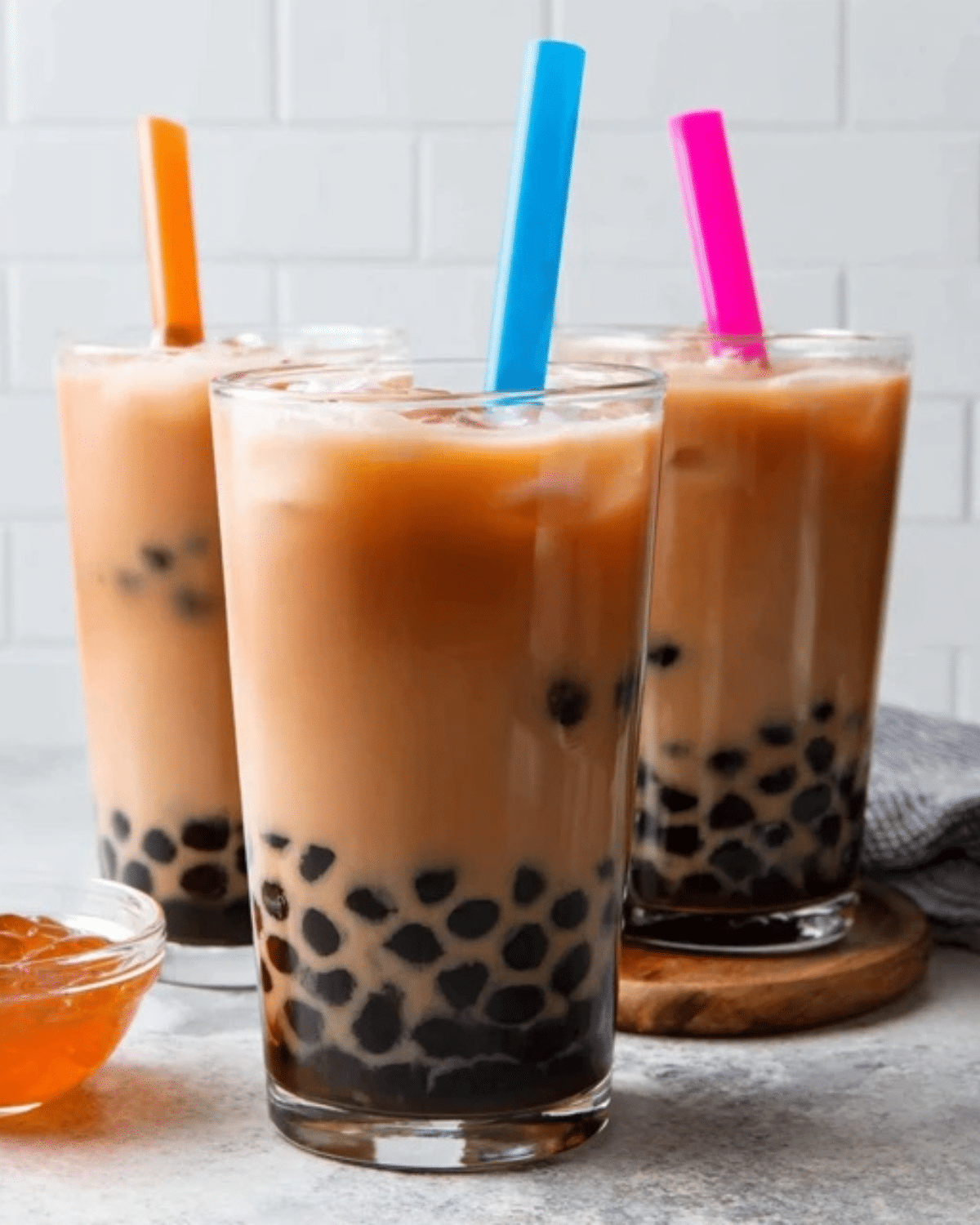
A boba tea recipe lets you recreate the chewy, refreshing drink you love without standing in line or paying café prices. Bubble tea has become a global favorite because it blends brewed tea, creamy or fruity flavors, and soft tapioca pearls into one satisfying sip. In this guide, you’ll learn what makes this drink special, how it came to be, and why preparing it at home gives you more control over sweetness, strength, and texture. By the end, you’ll feel confident starting your own bubble tea routine with simple tools and easy-to-find ingredients.
JUMP TO
Table of Contents
What Is Boba Tea and Why It’s So Popular
Boba tea, also called bubble tea, is a chilled drink made with tea, sweetener, and chewy tapioca pearls. Although it started as a niche beverage, it quickly gained popularity because it offers both flavor and texture in one cup. While cafés often customize it endlessly, the basic idea remains simple and approachable.
What Boba Tea Is Made Of
At its core, bubble tea combines brewed tea with cooked tapioca pearls. Milk or non-dairy alternatives are often added for creaminess, while syrups or sugars balance bitterness. Because tapioca pearls absorb surrounding flavors, they provide a pleasant contrast to the smooth liquid. This mix of textures is what makes a homemade boba tea recipe so enjoyable.
Origin and History of Bubble Tea
Bubble tea originated in Taiwan during the 1980s, when tea shops began experimenting with cold milk tea and chewy toppings. Over time, tapioca pearls became the most popular addition. As the drink spread across Asia and later the United States, variations multiplied. Today, bubble tea appears in countless forms, yet the classic preparation still inspires most modern versions.
Why Homemade Bubble Tea Is Better Than Store-Bought
Making bubble tea at home allows you to adjust sweetness, tea strength, and milk levels to your liking. Unlike store-bought drinks, a homemade approach avoids excess sugar and artificial flavorings. Plus, learning the basics means you can experiment freely without extra cost. For technique reference, trusted guidance from Simply Recipes explains the fundamentals clearly and reliably
Ingredients Needed for a Homemade Boba Tea Recipe
Before you start cooking, it helps to understand each ingredient and its role. Since the ingredient list is short, quality and preparation matter more than quantity.

Tapioca Pearls Explained
Tapioca pearls are made from cassava starch and are responsible for the signature chew. When cooked correctly, they should be soft on the outside with a gentle bounce in the center. Using fresh pearls rather than pre-sweetened ones gives better texture and flavor control in any boba tea recipe.
Tea Options for Bubble Tea
Black tea is the most common base because it holds up well against milk and sugar. However, green tea, oolong, or jasmine tea also work beautifully. Choosing loose-leaf or high-quality tea bags improves aroma and depth, especially when the drink is chilled.
Sweeteners and Flavorings
Sweetness can come from white sugar, brown sugar, honey, or simple syrup. Brown sugar is often preferred because it adds warmth and color. Flavorings such as vanilla or fruit syrups are optional, yet they allow you to tailor the drink without overwhelming the tea.
Milk and Dairy-Free Alternatives
Traditional versions often use whole milk or half-and-half. Still, almond milk, oat milk, or coconut milk are popular substitutes. These options keep the drink creamy while accommodating different dietary needs.
How to Make Boba Tea Step by Step
Once you understand the ingredients, the process becomes much easier. Making this drink at home is mostly about timing and temperature. When each element is prepared correctly, the final cup tastes balanced and refreshing rather than overly sweet or bland.
Cooking Tapioca Pearls Properly
Start by bringing a large pot of water to a rolling boil. The water should be plentiful so the pearls can move freely while cooking. Add the tapioca pearls slowly, stirring right away to prevent sticking. As they cook, they will float to the surface and expand. Most standard pearls take about 20 to 30 minutes to cook, though timing varies by brand. After boiling, let them sit in the hot water for a few minutes so the centers soften fully. This step is crucial because undercooked pearls stay hard in the middle.
Sweetening and Storing Cooked Boba
After cooking, drain the pearls and rinse them briefly with warm water. Transfer them to a bowl and toss with brown sugar syrup or simple syrup while they’re still warm. This allows the sweetness to soak in and keeps them from clumping. Sweetened pearls should be used within a few hours, since refrigeration makes them firm. Freshness plays a big role in the success of any boba tea recipe, so it’s best to prepare them close to serving time.
Brewing the Tea Base
While the pearls cook, brew your tea. Use hot water at the proper temperature for the tea type you choose. Black tea needs hotter water, while green tea benefits from slightly cooler temperatures. Steep until flavorful but not bitter, then remove the leaves or bags. Allow the tea to cool completely before assembling the drink. Cooling prevents ice from melting too quickly and diluting the flavor.
Assembling the Perfect Cup of Bubble Tea
To assemble, spoon a portion of sweetened pearls into a tall glass. Add ice, then pour in the cooled tea. Finish with milk or a dairy-free alternative, stirring gently to combine. Taste and adjust sweetness if needed. At this stage, the drink should feel smooth, lightly sweet, and balanced, which is the goal of a well-made boba tea recipe.
| Step | Key Tip | Result |
|---|---|---|
| Boiling pearls | Use plenty of water | Even cooking |
| Sweetening | Add syrup while warm | Better flavor |
| Cooling tea | Chill before mixing | Balanced taste |
Tips for Perfect Boba Tea Every Time
Even simple drinks improve with a few practical adjustments. These tips help avoid common problems and improve consistency.
How to Keep Boba Pearls Soft and Chewy
Fresh pearls stay chewy when kept warm and lightly coated in syrup. Letting them sit uncovered or refrigerating them causes firmness. Planning ahead and timing preparation properly makes a noticeable difference.
Balancing Sweetness and Tea Strength
Strong tea stands up better to milk and ice. If the drink tastes weak, brew the tea slightly stronger next time rather than adding more sweetener. This approach preserves flavor depth while keeping sugar levels reasonable.
Common Mistakes to Avoid
Overcooking pearls can make them mushy, while undercooking leaves a chalky center. Another mistake is assembling the drink while the tea is still hot, which melts ice and dulls flavor. Paying attention to temperature prevents these issues.
Popular Boba Tea Variations to Try
Once you’re comfortable with the basics, experimenting with flavors is where the fun really begins. One of the reasons bubble tea stays popular is its flexibility, since small changes can completely transform the drink.
Classic Milk Tea
Classic milk tea remains the most familiar version. It uses black tea combined with milk and a moderate amount of sweetness. The flavor is rich yet balanced, allowing the chewiness of the pearls to stand out. This version is often the starting point for anyone learning a boba tea recipe at home.
Brown Sugar Bubble Tea
Brown sugar bubble tea is known for its deep caramel notes and dramatic appearance. Instead of mixing sugar into the tea, thick brown sugar syrup coats the pearls and lines the glass. When milk is poured over, it creates a layered look and a bold, dessert-like flavor.
Fruit-Flavored Bubble Tea
Fruit versions rely on green or jasmine tea paired with fruit syrups or purees. Mango, strawberry, and peach are especially popular. These drinks feel lighter and more refreshing, making them a good choice for warm weather.
Matcha and Taro Boba Drinks
Matcha bubble tea offers earthy, slightly bitter notes that pair well with milk. Taro, on the other hand, delivers a sweet, vanilla-like flavor with a creamy purple color. Both options show how versatile a basic boba tea recipe can be.
Boba Tea Toppings and Custom Add-Ins
Tapioca pearls may be the most famous topping, but they’re far from the only option. Adding variety keeps homemade drinks interesting.
Different Types of Tapioca Pearls
Beyond classic black pearls, you’ll find mini pearls and clear pearls with a lighter chew. Each type slightly changes the drinking experience while still providing texture.
Jelly, Pudding, and Popping Boba
Grass jelly, coffee jelly, and egg pudding add softness and richness. Popping boba, filled with fruit juice, burst when bitten and add a playful element to the drink.
Ice Levels and Texture Preferences
Some people prefer extra ice for a crisp drink, while others enjoy minimal ice for stronger flavor. Adjusting ice levels helps fine-tune the balance without changing ingredients.
How to Store and Prepare Boba Tea in Advance
Planning ahead can save time, though some components store better than others.
How Long Cooked Boba Lasts
Cooked pearls are best used the same day. After several hours, they lose their chew and become firm. Keeping them lightly coated in syrup helps extend their usability slightly.
Can You Refrigerate or Freeze Tapioca Pearls
Refrigeration isn’t recommended for cooked pearls because it hardens them. Dry, uncooked pearls, however, store well at room temperature for months when sealed properly.
Best Make-Ahead Tips
You can brew tea in advance and store it chilled. Sweeteners and syrups also keep well, making assembly quick when you’re ready to serve.
Nutritional Information and Health Considerations
While bubble tea is often viewed as a treat, understanding its nutritional side helps with mindful enjoyment.
Calories and Sugar Content
Most calories come from sweeteners and milk. Reducing syrup or using unsweetened milk alternatives can significantly lower sugar content.
Is Bubble Tea Healthy in Moderation
Enjoyed occasionally and customized thoughtfully, bubble tea can fit into a balanced lifestyle. Using brewed tea and controlled sweetness keeps it lighter.
Lower-Sugar and Dairy-Free Options
Choosing less syrup, swapping dairy for plant-based milk, or using fruit tea bases are simple ways to adjust the drink to your needs.
Frequently Asked Questions About Boba Tea Recipe
Why is my boba hard in the middle?
This usually means the pearls weren’t cooked long enough or didn’t rest in hot water after boiling.
Can you make boba tea without milk?
Yes, fruit tea versions and plain tea bases work well without any dairy.
How long should tapioca pearls cook?
Most standard pearls need 20–30 minutes of boiling plus resting time, though packaging instructions should always be checked.
Can I use instant boba pearls?
Instant pearls cook faster and are convenient, though their texture is often softer than traditional ones.
Conclusion
Making bubble tea at home is both satisfying and flexible. With a solid understanding of ingredients, timing, and balance, you can adjust flavors to suit your taste while keeping costs down. Whether you prefer creamy classics or fruity blends, mastering a reliable boba tea recipe opens the door to endless customization and enjoyment.Why is my boba hard in the middle?
PrintBoba Tea Recipe That’s Fresh, Chewy, and Easy to Make at Home

A refreshing homemade boba tea recipe made with brewed tea, chewy tapioca pearls, and milk or dairy-free alternatives, allowing full control over sweetness and flavor.
- Prep Time: 15 minutes
- Cook Time: 30 minutes
- Total Time: 45 minutes
- Yield: 2 servings
- Category: Beverage
- Method: Boiling
- Cuisine: Asian
- Diet: Vegetarian
Ingredients
- 1/2 cup dried tapioca pearls
- 4 cups water (for cooking pearls)
- 2 tablespoons brown sugar or simple syrup
- 2 cups brewed black or green tea, cooled
- 1/2 cup whole milk or dairy-free milk
- Ice cubes, as needed
- Optional: flavored syrups or honey
Instructions
- Bring a large pot of water to a rolling boil.
- Add tapioca pearls and stir gently to prevent sticking.
- Boil pearls for 20–30 minutes until soft, then let rest in hot water for 5 minutes.
- Drain pearls and rinse briefly with warm water.
- Toss warm pearls with brown sugar or syrup and set aside.
- Brew tea according to package directions and allow it to cool completely.
- Add sweetened pearls to a glass, then add ice.
- Pour in cooled tea and top with milk.
- Stir gently and adjust sweetness if needed before serving.
Notes
- Use pearls the same day for best texture.
- Do not refrigerate cooked tapioca pearls.
- Brew tea slightly stronger to balance ice and milk.
- Adjust sweetness gradually to taste.
Nutrition
- Serving Size: 1 glass
- Calories: 260 kcal
- Sugar: 28 g
- Sodium: 45 mg
- Fat: 6 g
- Saturated Fat: 3 g
- Unsaturated Fat: 3 g
- Trans Fat: 0 g
- Carbohydrates: 48 g
- Fiber: 1 g
- Protein: 4 g
- Cholesterol: 15 mg