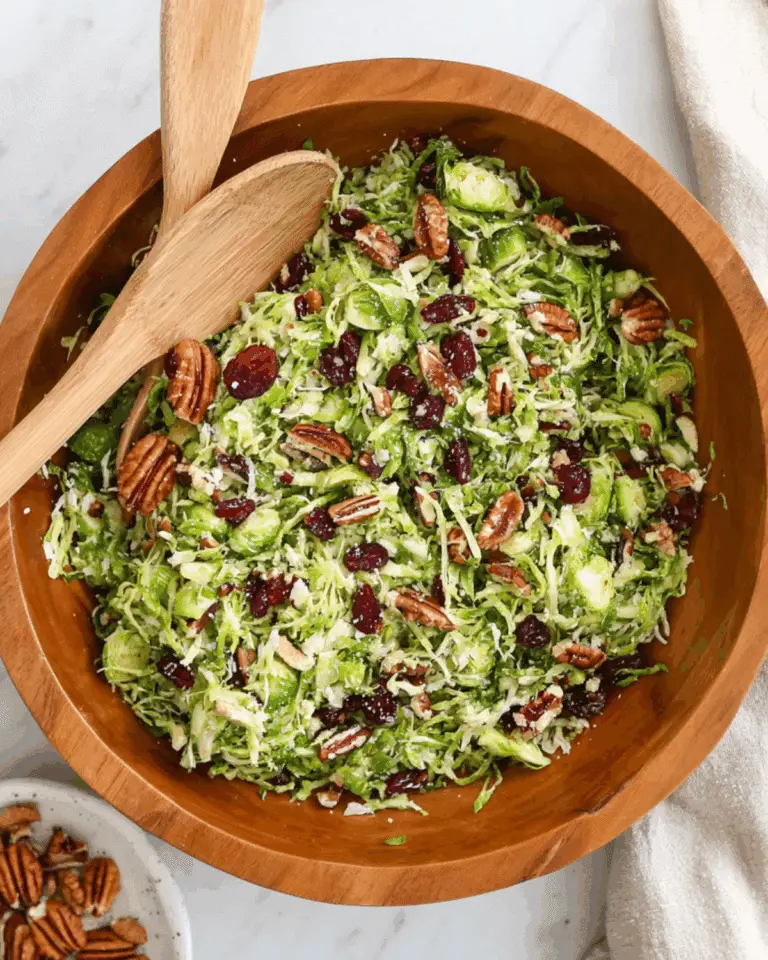

A lemon vinaigrette dressing recipe is one of those simple kitchen staples that instantly makes food taste brighter and fresher. With just a handful of ingredients, this dressing delivers bold citrus flavor, balanced acidity, and a smooth finish that works with almost anything. From green salads to roasted vegetables and grilled proteins, lemon vinaigrette adds life to dishes without overpowering them. In this guide, you’ll learn how to make a lemon vinaigrette dressing recipe that’s perfectly balanced, easy to customize, and reliable every single time.
JUMP TO
Table of Contents
What Is Lemon Vinaigrette and Why It’s So Popular
Lemon vinaigrette is a classic dressing made by combining fresh lemon juice with oil and seasonings. Its popularity comes from its versatility and clean, vibrant taste.
What Makes Lemon Vinaigrette Different from Other Dressings
Unlike creamy dressings, lemon vinaigrette relies on acidity rather than dairy for flavor. The lemon juice provides brightness, while olive oil smooths out the sharpness. This balance creates a dressing that feels light yet flavorful. Because it doesn’t coat ingredients heavily, it enhances salads instead of weighing them down.
Why Lemon-Based Dressings Taste So Fresh
Lemon juice brings natural acidity and aroma that wake up the palate. Fresh lemon zest adds subtle bitterness and fragrance, making the dressing taste lively instead of flat. When combined with good-quality oil, the result is a dressing that tastes clean and refreshing with every bite.
When Lemon Vinaigrette Is Best Used
This lemon vinaigrette dressing recipe works well year-round. It’s ideal for leafy green salads, grain bowls, pasta salads, seafood dishes, and roasted vegetables. Because it’s light and citrusy, it’s especially popular in warm weather, but it also helps brighten heavier meals during cooler months.
Ingredients Needed for a Perfect Lemon Vinaigrette Dressing Recipe
A great lemon vinaigrette dressing recipe depends on fresh ingredients and proper balance. Because the ingredient list is short, each element should be chosen carefully to achieve the best flavor and texture.

Choosing the Right Lemons
Fresh lemons are the heart of this lemon vinaigrette dressing recipe. Always use freshly squeezed lemon juice rather than bottled juice, which often tastes flat or bitter. Look for lemons that feel heavy for their size, as they contain more juice. Thin-skinned lemons are also easier to juice. Adding a small amount of lemon zest boosts aroma and adds depth without increasing acidity.
Oils That Work Best for Lemon Vinaigrette
Extra virgin olive oil is the most popular choice for lemon vinaigrette because of its smooth texture and fruity notes. A mild olive oil works best, allowing the lemon flavor to shine. If you prefer a lighter taste, avocado oil or grapeseed oil can be used. The key is choosing an oil that complements the citrus rather than overpowering it.
Optional Add-Ins for Extra Flavor
This lemon vinaigrette dressing recipe is delicious on its own, but small additions can customize it easily. Dijon mustard helps emulsify the dressing and adds gentle sharpness. Honey or maple syrup balances acidity with subtle sweetness. Minced garlic adds savory depth, while fresh herbs like parsley or thyme introduce freshness. Each add-in should be used sparingly to maintain balance.
How to Make Lemon Vinaigrette Dressing Step by Step
Making lemon vinaigrette is quick and simple, but technique matters when it comes to texture and flavor stability.
Mixing by Hand vs Using a Jar or Blender
You can whisk lemon vinaigrette by hand in a bowl, shake it in a jar, or blend it briefly. Whisking gives you control and allows gradual oil incorporation. Shaking in a jar is fast and convenient, especially for small batches. A blender creates the smoothest texture, especially if using garlic or herbs, but it can slightly mellow the lemon flavor.
How to Emulsify Lemon Vinaigrette Properly
To emulsify the dressing, start by combining lemon juice, salt, and any optional ingredients in a bowl. Slowly drizzle in the oil while whisking continuously. This method helps the oil and lemon juice bind together, creating a smooth and slightly thickened dressing. If the dressing separates, a quick whisk or shake brings it back together.
Adjusting Acidity, Salt, and Sweetness
Taste the dressing after mixing. If it’s too tart, add a little more oil or a touch of honey. If it tastes flat, a pinch of salt usually fixes it. Balance is essential in a lemon vinaigrette dressing recipe, so adjust in small increments until the flavors feel harmonious.
Lemon Vinaigrette Variations You’ll Love
Once you master the basic recipe, variations allow you to match different dishes and preferences.
Honey Lemon Vinaigrette
Adding honey creates a sweeter, rounder dressing that pairs beautifully with bitter greens and fruit salads. Honey also helps emulsify the vinaigrette, giving it a slightly thicker texture.
Garlic Lemon Vinaigrette
Fresh garlic adds bold flavor and works especially well for savory salads and roasted vegetables. Use finely minced garlic or garlic paste to avoid large chunks and ensure even flavor distribution.
Creamy Lemon Vinaigrette Option
For a creamy version, add a spoonful of Greek yogurt or mayonnaise. This creates a richer dressing while keeping the lemon flavor bright. It’s ideal for pasta salads or heartier greens.
Tips for Using Lemon Vinaigrette in Everyday Cooking
A lemon vinaigrette dressing recipe isn’t limited to salads. Its versatility makes it a kitchen essential.
Best Salads for Lemon Vinaigrette
This dressing pairs well with mixed greens, arugula, spinach, and romaine. It also complements grain-based salads like quinoa or farro, where acidity balances earthy flavors.
Using Lemon Vinaigrette Beyond Salads
Lemon vinaigrette works as a marinade for chicken or fish, a drizzle for roasted vegetables, or a finishing touch for grain bowls. Its bright flavor enhances food without masking natural taste.
How Much Dressing to Use
Less is more. Start with a small amount and toss gently. You can always add more, but too much dressing can overwhelm delicate ingredients.
Common Mistakes to Avoid
Even simple dressings can go wrong without attention to detail.
Using Bottled Lemon Juice
Bottled juice lacks freshness and can taste bitter, which affects the entire dressing.
Overpowering the Lemon Flavor
Too much lemon juice without enough oil creates an unbalanced dressing. Stick to proper ratios and adjust gradually.
Forgetting to Season Properly
Salt is essential. Without it, even the best lemon vinaigrette dressing recipe will taste flat.
Lemon Vinaigrette Dressing FAQs
How Long Does Lemon Vinaigrette Last?
When stored in an airtight container in the refrigerator, lemon vinaigrette lasts up to one week. Shake or whisk before using.
Can Lemon Vinaigrette Be Made Ahead?
Yes, it’s perfect for meal prep. Making it ahead allows flavors to meld, improving taste.
Why Did My Dressing Separate?
Separation is normal. Lemon juice and oil naturally separate over time. A quick shake or whisk fixes it.
What Salads Pair Best with Lemon Vinaigrette?
Leafy green salads, grain salads, and vegetable-based salads pair especially well with lemon vinaigrette.
Conclusion: Why This Lemon Vinaigrette Dressing Recipe Is a Kitchen Staple
This lemon vinaigrette dressing recipe proves that simple ingredients can create bold, fresh flavor. With its bright citrus notes, smooth texture, and endless versatility, it’s a dressing you’ll reach for again and again. Easy to make, easy to customize, and easy to love, this recipe belongs in every home kitchen as a reliable, everyday staple.
PrintLemon Vinaigrette Dressing Recipe That’s Fresh, Easy, and Zesty

A fresh and simple lemon vinaigrette dressing recipe made with real lemon juice, olive oil, and basic seasonings for a bright, versatile homemade dressing.
- Prep Time: 5 minutes
- Cook Time: 0 minutes
- Total Time: 5 minutes
- Yield: 8 servings
- Category: Dressing
- Method: No-Cook
- Cuisine: American
- Diet: Vegan
Ingredients
- 1/4 cup fresh lemon juice
- 1/2 cup extra virgin olive oil
- 1 teaspoon Dijon mustard (optional)
- 1 teaspoon honey or maple syrup (optional)
- 1 small clove garlic, minced (optional)
- 1/2 teaspoon salt
- 1/4 teaspoon black pepper
- 1/2 teaspoon lemon zest (optional)
Instructions
- Add lemon juice, salt, pepper, mustard, honey, garlic, and zest to a bowl or jar.
- Whisk or shake until well combined.
- Slowly drizzle in olive oil while whisking continuously.
- Continue whisking until the dressing emulsifies.
- Taste and adjust seasoning as needed.
- Use immediately or store in the refrigerator.
Notes
- Use freshly squeezed lemon juice for best flavor.
- Shake or whisk before each use.
- Adjust sweetness and acidity to taste.
- Store in an airtight container for up to one week.
Nutrition
- Serving Size: 2 tablespoons
- Calories: 120 kcal
- Sugar: 0.5 g
- Sodium: 120 mg
- Fat: 13 g
- Saturated Fat: 2 g
- Unsaturated Fat: 11 g
- Trans Fat: 0 g
- Carbohydrates: 1 g
- Fiber: 0 g
- Protein: 0 g
- Cholesterol: 0 mg